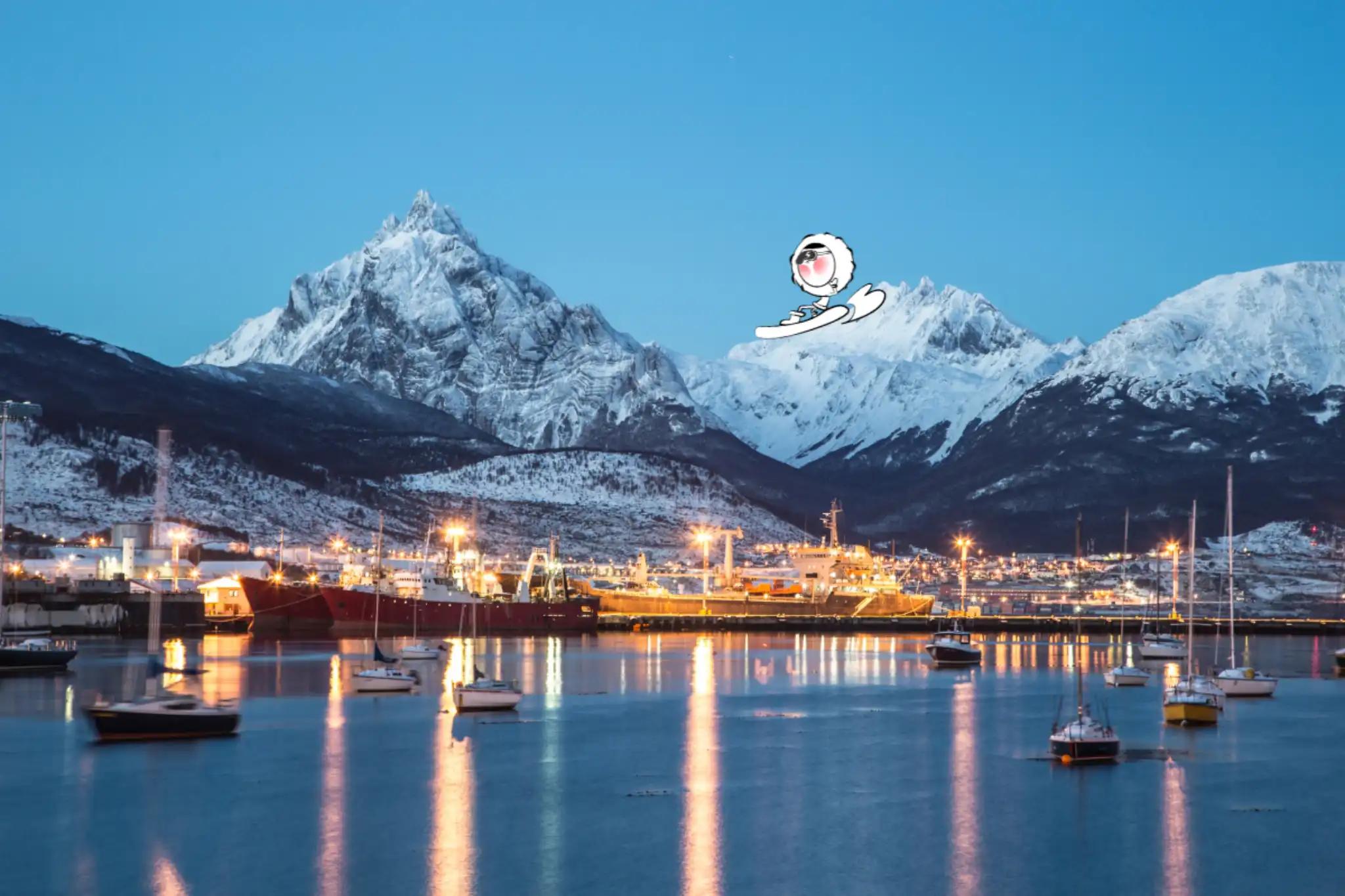
Argentina is a country of extremes. From Aconcagua, the highest mountain in the Americas, to the glaciers of Patagonia and the vibrant streets of Buenos Aires, travel patterns in this region are deeply shaped by public holidays. Understanding feriados (public holidays) and long weekends is essential for planning transport, accommodation, and itineraries in 2026.
Argentina Public Holidays 2026 (Official)
The following are Argentina’s official national public holidays (feriados nacionales) for 2026.
| HOLIDAY | DATE | DAY |
| Año Nuevo (New Year’s Day) | January 1 | Thursday |
| Carnaval (Carnival) | February 16 | Monday |
| Carnaval (Carnival) | February 17 | Tuesday |
| Día Nacional de la Memoria por la Verdad y la Justicia (National Day of Remembrance for Truth and Justice) | March 24 | Tuesday |
| Día del Veterano y de los Caídos en la Guerra de Malvinas (Veterans and Fallen of the Falklands War Day) | April 2 | Thursday |
| Viernes Santo (Good Friday) | April 3 | Friday |
| Día del Trabajador (Labour Day) | May 1 | Friday |
| Día de la Revolución de Mayo (May Revolution Day) | May 25 | Monday |
| Paso a la Inmortalidad del General Manuel Belgrano (Belgrano Memorial Day) | June 20 | Saturday |
| Día de la Independencia (Independence Day) | July 9 | Thursday |
| Día de la Inmaculada Concepción de María (Immaculate Conception) | December 8 | Tuesday |
| Navidad (Christmas Day) | December 25 | Friday |
Note: Some holidays may be moved to create long weekends (feriados trasladables – movable holidays).
Major Long Weekends in Argentina
Long weekends are central to travel habits in Argentina. Locally called fin de semana largo (long weekend), these breaks often trigger nationwide travel, especially when holidays fall on Mondays, Fridays, or extend across multiple days.
- Carnaval (February)
A two-day public holiday (Monday–Tuesday) that creates one of the longest long weekends of the year. Beaches, waterfalls, and resort towns see peak crowds. - Semana Santa (April)
Centered around Viernes Santo (Good Friday), this long weekend blends religious travel with leisure trips to cultural and nature destinations. - Labour Day (May)
Falling on a Friday, it forms a natural three-day break popular for short domestic escapes. - May Revolution Day (May)
A Monday holiday that encourages quick regional trips and early winter travel. - Independence Day (July)
Landing on a Thursday, many locals take Friday off, creating a four-day weekend during peak winter travel season. - Christmas & New Year (December)
Year-end holidays drive high travel demand as Argentinians combine family visits with summer vacations.
Get Eskimo eSIM to stay connected in Argentina
Need internet in Argentina? Here's what we recommend:
Fixed data plans
- No speed reduction
- No expiry, keep your data forever
- Transfer data to anyone
- Personal hotspot
What Remains Open During Public Holidays
What stays open in Argentina depends on the location and the type of holiday.
Generally open
- Hotels, hostels, and short-term rentals
- Restaurants and cafés in major cities
- Supermarkets and shopping centers in urban areas
- Public transport in Buenos Aires and other large cities
Often closed or limited
- Government offices and banks
- Small local shops, especially outside tourist zones
- Some museums are closed on major religious holidays
During Carnaval and Semana Santa, tourist destinations remain active, while administrative services slow down significantly.
Seasonal Travel Considerations in Argentina
Argentina’s vast geography means seasons play a major role in travel planning, especially around public holidays.
Summer (December–February)
Peak travel season. Año Nuevo (New Year) and Carnaval drive heavy domestic travel. Expect higher prices, limited availability, and crowded beaches and national parks.
Autumn (March–May)
One of the best times to visit. The weather is mild, crowds thin out, and holidays like Viernes Santo (Good Friday) create short but manageable travel spikes.
Winter (June–August)
Ski season dominates Patagonia and Bariloche. Día de la Independencia increases domestic travel, especially to mountain regions.
Spring (September–November)
A quieter shoulder season with fewer holidays. Ideal for city travel, wine regions, and nature trips with lower prices and fewer crowds.
Staying Connected During Public Holidays in Argentina
Traveling during Argentina’s public holidays often means busy terminals, last-minute changes, and longer transit times. Reliable mobile data helps travelers navigate transport hubs, check bookings, and stay updated while moving between cities.
Using an Argentina eSIM allows travelers to stay connected immediately upon arrival, without visiting a local store or swapping physical SIM cards. Many visitors search for an eSIM Argentina option in advance to avoid connectivity issues during long weekends and peak travel periods.
Across all plans, travelers can:
- Try a free eSIM (eSIM gratis) before purchasing
- Keep unused data when topping up
- Share data with friends or family traveling together
This makes staying connected easier across Argentina’s long distances, whether you’re navigating Buenos Aires, planning a road trip through Mendoza, or traveling south toward Patagonia.
FAQs
How many public holidays are there in Argentina in 2026?
Argentina observes 11 national public holidays in 2026, not including provincial or optional observances.
Why are long weekends so important in Argentina?
Long weekends (fin de semana largo) encourage nationwide travel and significantly affect flight prices and availability.
Is Semana Santa a public holiday in Argentina?
Yes. Viernes Santo (Good Friday) is a national public holiday and one of the busiest travel periods of the year.
Do businesses close on public holidays?
Many offices and banks close, but restaurants, hotels, and tourist services usually remain open, especially in major cities.
Which public holidays cause the biggest travel surges?
The largest travel surges typically occur during Carnival (February), Semana Santa (April), Independence Day (July), and year-end holidays in December.