
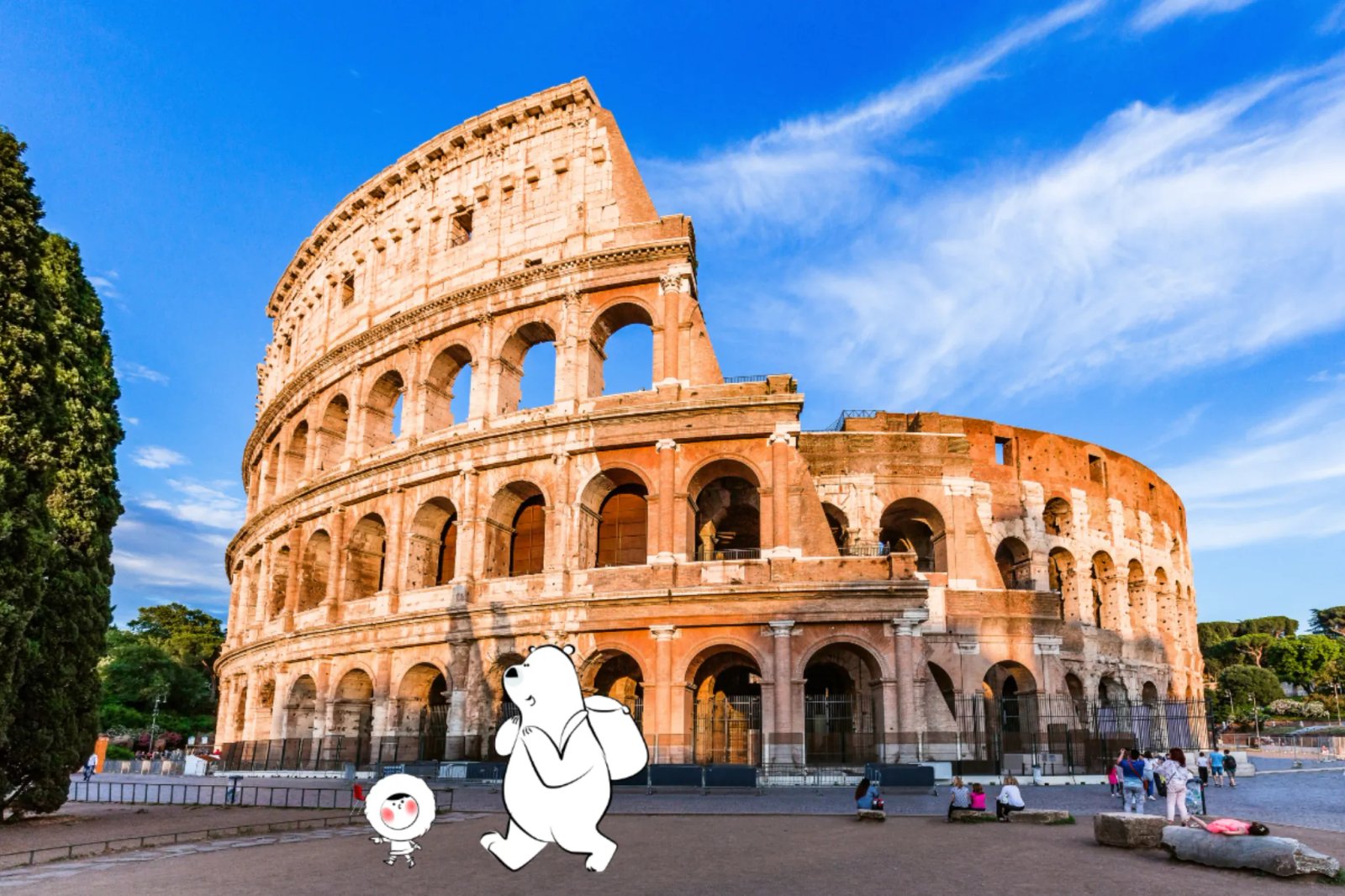
Italy is not a place you simply pass through. It is a country that expects a certain rhythm, a shared understanding of history, manners, and daily rituals. Visitors who take a moment to understand Italian culture often find warmer interactions, smoother travel days, and fewer awkward moments at the table or in public spaces.he f
Italian etiquette is rarely formalized, but it is strongly shaped by shared social expectations. It is social, expressive, and deeply shaped by tradition. Knowing how Italians greet one another, how meals unfold, and how appearance is read can quietly transform the experience of being there.
Italian Culture Is Rooted in History and Heritage
Italian culture cannot be separated from the long arc of its past. From ancient Roman customs to Renaissance ideals, the history of Italy still shapes everyday behavior. Cities were once independent states, and that legacy survives in regional pride, food traditions, and even body language.
Italian heritage values continuity. Family names, recipes, religious festivals, and local traditions are passed down carefully. Visitors may notice how often conversations return to where someone is from, how their grandparents lived, or how things used to be done. This is not nostalgia. It is a way of staying grounded.
Understanding this cultural backdrop explains why Italians may seem protective of traditions, especially when it comes to food, language, and social customs.
Greetings Matter More Than You Might Expect
Italian greetings are small but meaningful signals of respect. In shops, cafes, and even elevators, a simple greeting is expected before any transaction begins.
A friendly “buongiorno” in the morning or “buonasera” later in the day goes a long way. Among friends or acquaintances, light cheek kisses are common, usually starting on the left, though this varies by region. Handshakes remain standard in formal settings.
What matters most is acknowledgment. Ignoring someone when entering a space can feel rude, even if unintentionally. Italian greetings are less about politeness scripts and more about recognizing shared presence.
Dining Etiquette Is a Reflection of Italian Food Traditions
Meals in Italy are social events, not logistical pauses. Italian food traditions are built around timing, structure, and respect for ingredients. There are unspoken dining etiquette rules that visitors often miss. Cappuccino is a morning drink, not something ordered after dinner. Pasta is eaten with a fork only, no spoon is needed. Cheese is not added to seafood dishes unless explicitly offered.
Cutlery etiquette follows a relaxed but consistent pattern. Hands remain visible on the table, wrists resting lightly. Bread is torn by hand, not cut with a knife. Finishing everything on the plate is appreciated, though not mandatory.
Dining slowly is not an indulgence. It is normal. Rushing through a meal can feel out of place, especially in family-run restaurants.
Dress Codes Are Subtle but Important
Italy does not demand luxury fashion, but it does value intention. The Italian dress code leans toward neatness, fit, and context.
Athletic wear is generally reserved for gyms or beaches. In cities, casual outfits are common, but they are usually coordinated and clean. Italians notice shoes, often more than anything else.
Churches and religious sites expect modest clothing. Shoulders and knees should be covered, regardless of temperature. This is less about strict rules and more about showing awareness of the setting.
Traditional Italian clothing still appears during festivals and regional celebrations, especially in smaller towns. These garments reflect centuries-old customs tied to local identity rather than nostalgia for fashion.
Family Traditions Shape Daily Life
Italian family traditions remain central, even as modern life changes. Sundays are often reserved for family lunches that stretch across hours. Multiple generations gather, food circulates endlessly, and conversation is constant.
Family loyalty influences decision-making, living arrangements, and social obligations. Adult children may live close to parents or visit frequently. This closeness can surprise visitors from more individualistic cultures.
Guests invited into an Italian home are treated generously. Bringing a small gift, such as pastries or wine, is customary and appreciated.
Get Eskimo eSIM to stay connected in Italy
Need internet in Italy? Here's what we recommend:

Fixed data plans
- No speed reduction
- No expiry, keep your data forever
- Transfer data to anyone
- Personal hotspot



Unlimited data plans
- Unlimited day pass
- Daily 3GB high-speed + 1Mbps unlimited after
- Personal hotspot


Public Behavior and Social Etiquette
Italian social etiquette is expressive but structured. Conversations are animated, hands move freely, and interruptions are common without being considered rude.
Queueing exists, but it is looser than in some countries. Making eye contact, asserting your presence politely, and paying attention are part of navigating public spaces.
Social flexibility does not extend to professional settings. Punctuality is relaxed among friends but expected in business contexts. Arriving slightly late to a dinner invitation is normal. Arriving late to a business meeting is not.
Traditions Beyond the Obvious
Italian traditions extend beyond food and family. Local festivals honor patron saints, harvest seasons, and historical events. These celebrations often include parades, regional costumes, and communal meals.
The Renaissance period still influences Italian architectural styles, city layouts, and public art. Living among centuries-old buildings shapes how Italians perceive space, beauty, and continuity.
Even everyday habits, such as evening walks known as the passeggiata, reflect a cultural emphasis on presence and social connection.
Traveling in Italy With Cultural Awareness
Understanding Italian etiquette does not require perfection. Effort matters more than accuracy. Small gestures, respectful curiosity, and patience are usually met with kindness.
Cultural awareness also helps when navigating logistics, from ordering food to understanding unspoken rules in public spaces. Staying connected while traveling makes these moments easier to navigate. Reliable mobile access allows travelers to translate menus, check local customs, and stay oriented without breaking the flow of daily life. Reliable mobile access, such as using the best eSIM for Italy, makes it easier to translate menus, check local customs, and stay oriented without breaking the flow of daily life.
Italy rewards travelers who slow down, observe, and participate rather than rush and consume. Its traditions are not performances. They are lived, daily, and shared with those willing to meet them halfway.
FAQs
What etiquette should tourists follow in Italy?
Greet people when entering shops or cafes, speak at a moderate volume, and be patient during meals. Italian etiquette focuses on respect, awareness, and social courtesy rather than strict rules.
What are the common Italian dining etiquette rules?
Meals are meant to be enjoyed slowly. Pasta is eaten with a fork only, cappuccino is usually ordered in the morning, and altering dishes is uncommon. These habits reflect Italian food traditions.
What is the dress code in Italy for tourists?
There is no formal dress code, but Italians dress neatly and intentionally. Casual clothing is acceptable, while churches require covered shoulders and knees.
How do people greet each other in Italy?
Italians typically greet with “buongiorno” or “buonasera.” Friends may exchange cheek kisses, while handshakes are common in formal situations.
Why is family important in Italian culture?
Italian culture places strong emphasis on family. Shared meals, regular gatherings, and close relationships across generations are central to daily life.
Do customs differ across Italy?
Yes. Traditions, food, and social etiquette vary by region due to Italy’s long history of independent cities and local heritage.