South Africa’s public holidays are closely tied to the country’s history, identity, and travel patterns. In 2026, these holidays shape long weekends, peak travel periods, and nationwide celebrations that visitors should be aware of when planning a trip to South Africa.
Public Holidays in South Africa 2026
South Africa’s public holidays are observed nationwide. When a public holiday falls on a Sunday, the following Monday becomes a public holiday instead, as determined by the Public Holidays Act.
| HOLIDAY | DATE | DAY |
| New Year’s Day | 1 January 2026 | Thursday |
| Human Rights Day | 21 March 2026 | Saturday |
| Good Friday | 3 April 2026 | Friday |
| Family Day | 6 April 2026 | Monday |
| Freedom Day | 27 April 2026 | Monday |
| Workers’ Day | 1 May 2026 | Friday |
| Youth Day | 16 June 2026 | Tuesday |
| National Women’s Day | 9 August 2026 | Sunday |
| National Women’s Day (Observed) | 10 August 2026 | Monday |
| Heritage Day | 24 September 2026 | Thursday |
| Day of Reconciliation | 16 December 2026 | Wednesday |
| Christmas Day | 25 December 2026 | Friday |
| Day of Goodwill | 26 December 2026 | Saturday |
Important note: Good Friday and Easter-related dates vary each year, as they are determined by the ecclesiastical calendar.
Major Religious and Cultural Holidays in South Africa
Not every important holiday in South Africa is simply a day away from work. Several dates carry deep cultural, historical, or religious significance and influence how South Africans celebrate, travel, and spend time with family.
If you are planning a trip around these dates, it is worth combining your holiday calendar with ideas what is best things to do in South Africa, particularly if you want to experience the country’s cultural attractions alongside its landscapes and wildlife.
Heritage Day
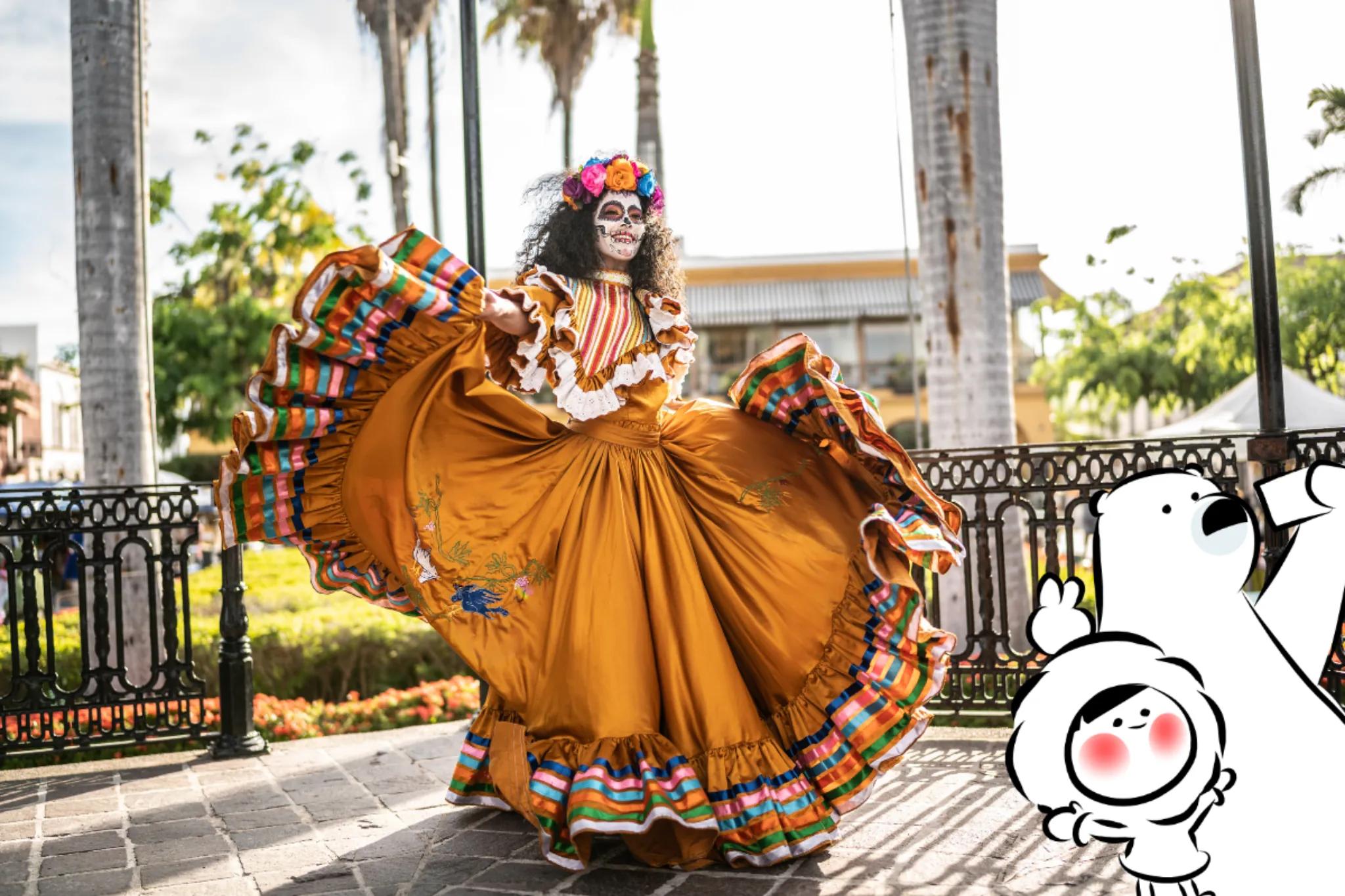
Heritage Day is observed on 24 September and celebrates South Africa’s diverse cultures, traditions, languages, and communities.
The holiday is also popularly associated with braais, South Africa’s tradition of cooking food over an open fire. Families and friends often gather for meals, while cultural events and community celebrations take place around the country.
For travelers, Heritage Day can be a particularly interesting time to experience South African culture. Popular restaurants, parks, attractions, and gathering places may be busier than usual, so booking ahead can be worthwhile.
Youth Day
Youth Day is observed on 16 June and commemorates the Soweto Uprising of 1976, when thousands of students protested against apartheid-era education policies.
Today, the public holiday recognizes the role of young people in South Africa’s history. Commemorative ceremonies, educational programs, and community events are common.
Travelers visiting Johannesburg can also learn more about this history in Soweto, one of the country’s most historically significant urban areas and an important stop when exploring South Africa’s cultural heritage.
Day of Reconciliation
The Day of Reconciliation is observed on 16 December. The public holiday was introduced after the end of apartheid to promote reconciliation, national unity, and reflection.
For travelers, its timing is particularly important. The holiday falls during the beginning of South Africa’s busy summer travel season, when schools are closing for the year and many families are heading on holiday.
Popular coastal destinations, national parks, resorts, and major tourist areas can therefore become significantly busier around this period.
Religious Holidays
Good Friday and Family Day, the Monday following Easter Sunday, are official public holidays in South Africa.
Easter is an important religious and family period for many South Africans. Churches hold services throughout the weekend, while families often travel or gather together.
Because both Good Friday and Family Day are public holidays, Easter also creates one of the country’s most significant long weekends.
Long Weekends and Peak Travel Periods in 2026
Several South Africa public holidays in 2026 create opportunities for long weekends, which can increase demand for domestic flights, road trips, hotels, and holiday accommodation.
The most notable is Easter weekend. Good Friday falls on 3 April 2026, while Family Day falls on 6 April 2026, creating a four-day break from Friday through Monday.
Other dates worth watching include:
- Freedom Day: Monday, 27 April
- Workers’ Day: Friday, 1 May
- National Women’s Day: Sunday, 9 August, with Monday, 10 August becoming a public holiday
- Christmas Day: Friday, 25 December
Youth Day on 16 June and Heritage Day on 24 September do not automatically create long weekends in 2026. However, some South Africans may take additional annual leave around these dates.
The December period deserves particular attention. The combination of Day of Reconciliation, Christmas, school holidays, and the summer season makes December one of the busiest times for domestic tourism.
If you are building a larger itinerary, the [best things to do in South Africa] [internal link: Things to Do in South Africa article] can help you decide which destinations are worth prioritizing before accommodation and transport become limited.
Get Eskimo eSIM to stay connected globally
Need internet while travelling? Here's what we recommend:

Fixed data plans
- No speed reduction
- No expiry, keep your data forever
- Transfer data to anyone
- Personal hotspot


What Remains Open During Public Holidays in South Africa
A public holiday does not mean South Africa completely shuts down. Tourist destinations and essential travel services generally continue operating, although opening hours can change.
In general:
- Airports and scheduled flights continue operating.
- Hotels, lodges, and guesthouses generally remain open.
- Many restaurants and tourist attractions stay open, sometimes with adjusted hours.
- Shopping malls and supermarkets often remain open.
- Banks and government offices are typically closed.
- Some independent shops and businesses may close or shorten their hours.
Services can be more limited in smaller towns and rural areas, particularly during major religious holidays.
Always check the opening hours of a specific attraction, restaurant, shop, or transport service before visiting rather than assuming its normal schedule applies.
Seasonal Travel Considerations in South Africa
South Africa’s public holiday calendar overlaps with several popular domestic travel periods.
Autumn, from March to May, includes Easter, Freedom Day, and Workers’ Day. The combination can create several busy travel windows within a relatively short period.
Winter, from June to August, includes Youth Day and National Women’s Day. These holidays can encourage shorter domestic trips, while the cooler and generally drier conditions in parts of the country can also suit certain wildlife experiences.
Spring, particularly September, brings Heritage Day and opportunities for cultural events and outdoor travel.
Summer, especially December, is the major holiday period. Day of Reconciliation and Christmas fall during the country’s summer season and school holidays, resulting in heavy demand for popular coastal destinations and accommodation.
Travelers continuing beyond South Africa can also combine the country with other destinations across the continent. Eskimo’s broader Africa travel content [internal link: relevant Africa travel article/category] can help connect South Africa with a wider regional itinerary.
Stay Connected While Traveling in South Africa
Public holidays can mean busy airports, long road trips, changed opening hours, and more competition for accommodation. Having mobile data available makes it easier to navigate, check bookings, contact accommodation, and confirm opening times while traveling.
With Eskimo, you can use an eSIM instead of buying and swapping physical SIM cards after arrival. For a wider multi-country trip, an Africa eSIM plan can also be useful when traveling between supported destinations across the continent.
Eskimo’s fixed data plans include 2-year validity and support hotspot sharing, giving you more flexibility if you have data remaining after your trip.
New users can also get free 500MB of Global Data to get started.
FAQs
What is Heritage Day in South Africa?
Heritage Day is a South African public holiday observed on 24 September. It celebrates the country’s cultural diversity and encourages South Africans to recognize and share their different traditions, languages, food, and heritage.
Why is Heritage Day celebrated in South Africa?
Heritage Day celebrates South Africa’s diverse cultural heritage while encouraging unity and mutual respect. It provides an opportunity for communities to recognize the traditions and histories that contribute to the country’s national identity.
How is Heritage Day celebrated in South Africa?
Celebrations vary across the country and can include cultural events, performances, community activities, family gatherings, and shared meals. Braais are particularly popular, which has led to Heritage Day being informally associated with “Braai Day.”
What food is traditionally eaten on Heritage Day?
There is no single official Heritage Day dish. Braais are popular, but meals can vary significantly according to family, regional, and cultural traditions. This variety is part of what Heritage Day celebrates.
When is Youth Day in South Africa?
Youth Day is observed annually on 16 June. It commemorates the Soweto Uprising of 16 June 1976 and recognizes the role young people played in South Africa’s struggle against apartheid.
What happened on Youth Day in South Africa?
Youth Day commemorates the student uprising that began in Soweto on 16 June 1976. Students protested against apartheid-era education policies, and the demonstrations became an important event in the country’s history.
What is the Day of Reconciliation?
The Day of Reconciliation is observed on 16 December. It is a South African public holiday intended to promote reconciliation, national unity, and reflection on the country’s history.
What happens if a public holiday falls on a Sunday in South Africa?
Under South Africa’s public holiday rules, when a public holiday falls on a Sunday, the following Monday is also a public holiday. This can create an additional long weekend and increase domestic travel demand.