What’s So Special About Harbin
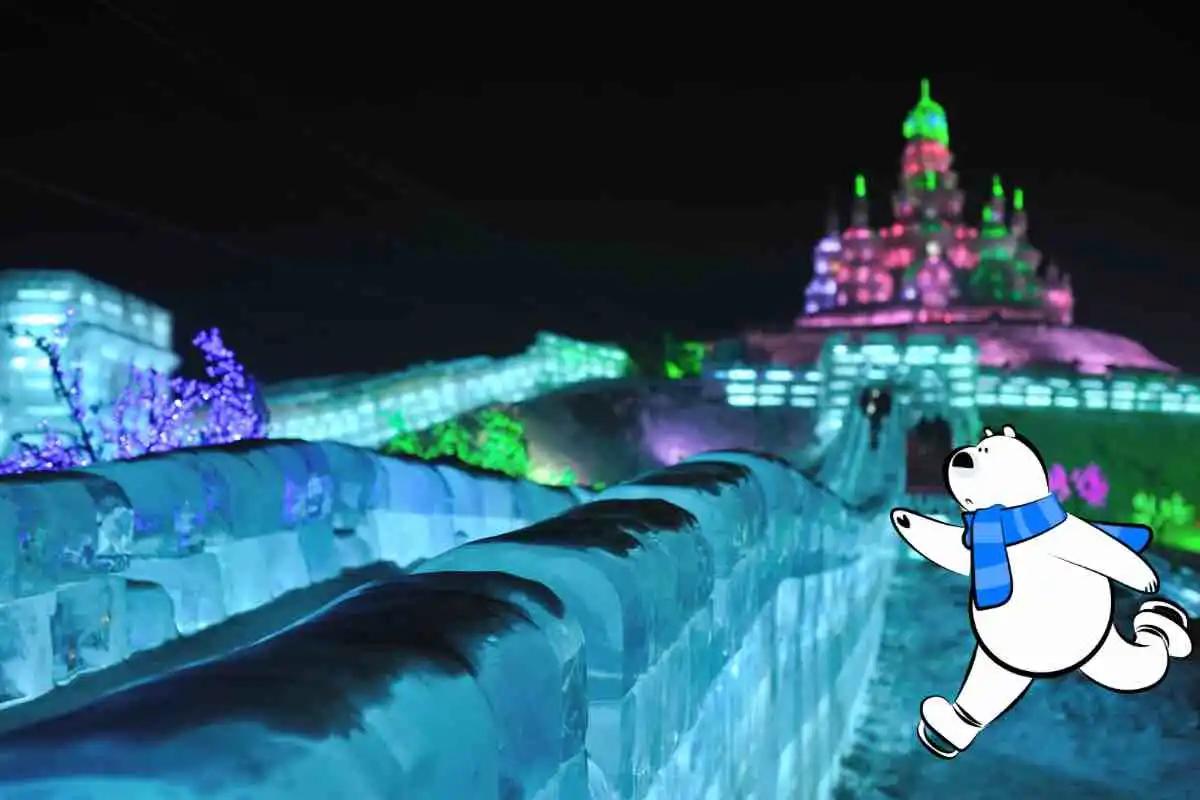
Harbin hosts one of the largest and most renowned winter festivals on the planet “Harbin International Ice and Snow Sculpture Festival”. Each year, the city’s parks and festival grounds become home to monumental ice and snow creations, some carved into replicas of world landmarks or wildly imaginative structures. The sculptures are illuminated in the evenings, creating a surreal, colorful winter dreamscape that mesmerizes every visitor.
Unlike most Chinese cities, Harbin’s streets showcase a distinct Russian and European architectural influence. Central Street (Zhongyang Pedestrian Street) and the iconic Saint Sophia Cathedral are perfect for leisurely walks, historical photos, and sampling local food, all with a snowy backdrop in winter.
When the Ice Festival Is Held
The Harbin International Ice and Snow Festival is a winter-long celebration that takes place every year from January 5 until late February, lasting for around two months.
2026 Festival: Officially opens on January 5, 2026, and runs through late February 2026. During this period, the city hosts massive illuminated ice castles, large-scale snow sculpture exhibitions, and a wide range of winter activities across multiple venues.
While the official festival period begins on January 5 each year, some major attractions such as Ice and Snow World, Sun Island Snow Sculptures, and Zhaolin Park Ice Lanterns may open earlier in late December, depending on weather and ice conditions.
How Many Days You Should Spend in Harbin
To make the most of your Harbin trip (including the festival and city highlights) plan for at least 3 to 5 days:
- Day 1: Arrive and explore Central Street, Saint Sophia Cathedral, and local cafes.
- Day 2: Visit Ice and Snow World in the afternoon and night for both daylight and illuminated views.
- Day 3: See Sun Island Snow Sculptures and nearby winter activities like tubing or skating.
- Day 4–5: Optional excursions to Siberian Tiger Park, Volga Manor, or a day trip to Yabuli Ski Resort or China Snow Town if weather and schedule permit.
Costs: Accommodation, Food & Transport
Harbin can be surprisingly affordable, even during the busy winter festival season. Here’s a general guide to how much you might expect to spend:
Accommodation
- Budget hotels/hostels: ¥200–¥400 per night (about $30–$60 USD)
- Mid-range: ¥400–¥800 per night (about $60–$120 USD)
- Luxury hotels: ¥800–¥1500+ per night (about $120–$220+ USD)
Food & Drinks
Local meals are relatively cheap compared to many destinations:
- Street snacks and small meals: ¥20–¥50
- Restaurant meals: ¥70–¥200
- Hot pot or sit-down dinners: ¥150–¥300+
Transport
- Airport or high-speed train to city center: Shuttle buses around ¥20, taxis around ¥120–¥150 from the airport.
- Local buses & shuttle buses: ¥2–¥20 per ride, depending on distance.
- Taxis & DiDi: Affordable within the city, usually ¥8+ base fare.
Festival Tickets
- Ice and Snow World: ~¥328 per person
- Sun Island Snow Expo: ~¥198 per person
- Zhaolin Park Ice Lanterns: ~¥150 per person
Rough Daily Budget (Mid-Range)
Expect around ¥800–¥1630 per day per person, including accommodation, food, local transport, and festival tickets.
What to Expect in Harbin
Freezing Temperatures
Harbin winters are intensely cold often between −18℃ and −30℃ (or lower). Even in daytime with sun, frostbite risk exists if you’re not properly dressed.
Multiple Winter Activities
Expect ice sculpting displays, light shows, ice slides, snow tubing, winter sports, and cultural events across venues city-wide throughout the festival season.
Unique Local Cuisine
Warm up with northeastern Chinese food and Russian-influenced dishes like grilled sausages, hot pot, and local pastries.
Iconic Photo Ops
From glowing ice castles and snow sculptures to Siberian tigers and historic buildings, visually stunning scenes await at every turn.
What to Prepare Before Visiting Harbin
Get Eskimo eSIM to stay connected in China
Need internet in China? Here's what we recommend:

Fixed data plans
- No speed reduction
- No expiry, keep your data forever
- Transfer data to anyone
- Personal hotspot



Unlimited data plans
- Unlimited day pass
- Daily 3GB high-speed + 1Mbps unlimited after
- Personal hotspot



Warm Winter Clothing
- Thermal base layers (top & bottom, preferably heat-tech or wool)
- Heavy down jacket rated for −20°C to −30°C
- Insulated snow pants or thermal-lined trousers
- Waterproof, anti-slip winter boots
- Thick wool or thermal socks (bring multiple pairs)
- Touchscreen-friendly insulated gloves
- Scarf or neck warmer to protect face from wind
- Warm hat that covers ears
- Optional: hand warmers / heat packs
Electronics Protection
- Power banks (battery drains fast in extreme cold)
- Keep phones/cameras inside inner pockets for warmth
- Insulated phone or camera case
- Extra camera batteries if you use DSLR/mirrorless
- Avoid sudden temperature changes to prevent lens fogging
- Small microfiber cloth for condensation
Travel Tools & Connectivity
- Offline maps downloaded (Google Maps, Maps.me)
- Translation apps with offline language packs
- Digital payment apps: Alipay & WeChat Pay set up before arrival
- Screenshot important addresses in Chinese
- VPN installed in advance (some apps/websites may be restricted)
- Local SIM or eSIM activated before landing. eSIM is the easiest way to stay connected with no SIM card swapping while traveling. Eskimo eSIM even offers a free 500 MB global data trial you can use in 109 countries, including China.
Tickets & Reservations
- Pre-book Ice and Snow World & Snow Expo tickets
- Reserve hotels early (especially Central Street area)
- Save digital and printed ticket copies
- Check festival venue opening hours in advance
- Avoid peak visiting hours (evenings & weekends if possible)
Health, Skin & Hydration
- High-moisture face cream and body lotion
- Lip balm with SPF
- Hand cream (frequent glove use dries skin)
- Reusable water bottle (drink regularly even if not thirsty)
- Personal medication and cold-weather essentials
- Face mask or scarf to protect lungs from icy air
FAQs
Is Harbin family-friendly or better for solo/adult travelers?
Harbin works well for both. Families enjoy snow parks and ice slides, while solo travelers and couples often focus on photography, architecture, and night-time light displays.
Are the ice sculptures the same every year?
No. The sculptures are rebuilt annually with new designs and themes, meaning each year’s festival offers a completely different visual experience.
Can Harbin be combined with other destinations in one trip?
Yes. Harbin is often paired with nearby winter towns, ski resorts, or other northeastern China cities, making it suitable for extended winter itineraries.
Is it better to visit Harbin during the day or at night?
Both offer different experiences. Daytime highlights structure and scale, while nighttime transforms the city into a glowing, colorful ice landscape.
Is Harbin worth visiting outside the Ice Festival season?
No. Without the Ice Festival, Harbin loses its main highlight, as most travelers visit primarily for the winter ice sculptures and festival atmosphere.