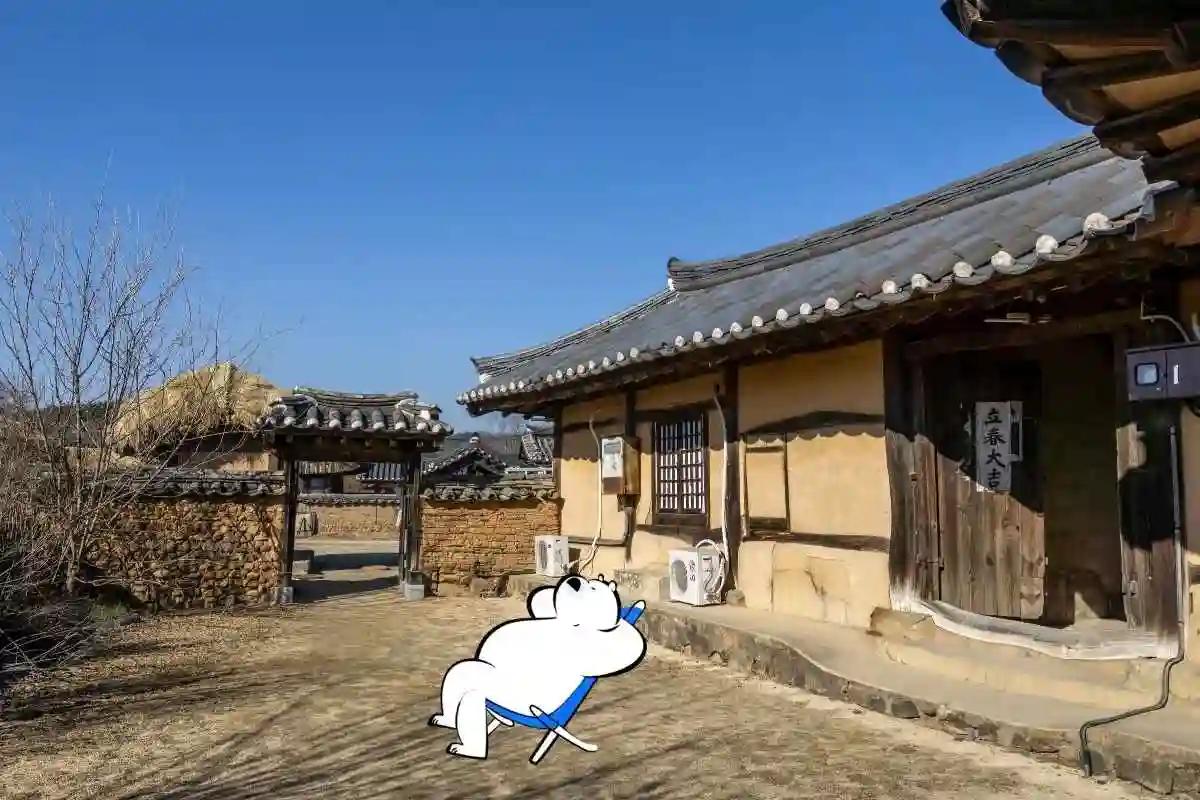
South Korea has far more to offer than Seoul and Busan. Beyond the famous cities, the country is filled with quiet islands, traditional villages, dramatic landscapes, and creative urban spaces that many travelers overlook. These hidden gems are perfect for travelers seeking unique experiences, fewer crowds, and a deeper connection to Korea’s culture and nature.
Nature & Scenic Escapes
1. Ulleungdo Island
A remote volcanic island in the East Sea known for rugged cliffs, clear waters, and minimal tourism.
Why visit: Its untouched and isolated character offers one of the wildest nature experiences in South Korea.
Best for: Adventure travelers, nature lovers.
Best stay & time: 2–3 days, May–September.
2. Juwangsan National Park
A quiet national park with waterfalls, narrow valleys, and scenic hiking trails away from crowds.
Why visit: It uniquely blends dramatic scenery with a peaceful, meditative atmosphere.
Best for: Hikers, photographers, slow travelers.
Best stay & time: 1–2 days, spring and autumn.
3. Gosudonggul Cave (Danyang)
A vast limestone cave featuring striking stalactites, stalagmites, and underground chambers.
Why visit: It reveals a rare underground landscape shaped over millions of years.
Best for: Families, curious explorers.
Best stay & time: Half day–1 day, year-round.
4. Seoraksan Hidden Valleys
Lesser-known valleys within Seoraksan offering forest trails and mountain views without congestion.
Why visit: These areas showcase Seoraksan’s beauty in near solitude.
Best for: Experienced hikers, photographers.
Best stay & time: 1–2 days, autumn.
5. Baengnokdam (Hallasan Summit, Jeju)
A crater lake at the summit of Hallasan, South Korea’s highest mountain.
Why visit: Standing inside an ancient volcanic crater is both rare and deeply rewarding.
Best for: Fit travelers, outdoor enthusiasts.
Best stay & time: 1 day, late spring–early autumn.
Cultural & Traditional Experiences
6. Hahoe Folk Village (Andong)
A UNESCO-listed village preserving traditional hanok houses and Confucian culture.
Why visit: It offers an authentic look at living traditions rather than staged history.
Best for: History lovers, cultural travelers.
Best stay & time: 1 day, spring or autumn.
7. Nagan Eupseong Folk Village
A fortified village with stone walls where traditional lifestyles still exist.
Why visit: It is one of the few historical villages in Korea that remains actively lived in.
Best for: Cultural explorers.
Best stay & time: Half–1 day, spring.
8. Gyeongju Gyochon Village
A peaceful hanok village near Silla-era ruins in Gyeongju.
Why visit: Its calm elegance reflects the character of Korea’s ancient capital.
Best for: History and architecture lovers.
Best stay & time: 1 day, spring or autumn.
9. Jeonju Hanok Village Backstreets
Quiet streets behind Jeonju Hanok Village filled with local cafés and crafts.
Why visit: These backstreets reveal authentic daily life beyond tourist paths.
Best for: Slow travelers, photographers.
Best stay & time: 1–2 days, year-round.
10. Eunpyeong Hanok Village (Seoul)
A modern hanok village at the base of Bukhansan Mountain.
Why visit: It uniquely combines traditional architecture with urban mountain scenery.
Best for: Urban explorers.
Best stay & time: Half day, autumn.
Coastal & Island Hidden Gems
11. Cheongsando Island
A small island known for coastal walking paths, rice terraces, and village life.
Why visit: Its “Slow City” identity encourages mindful, unrushed travel.
Best for: Couples, slow travelers.
Best stay & time: 2 days, spring.
Get Eskimo eSIM to stay connected in South Korea
Need internet in South Korea? Here's what we recommend:

Fixed data plans
- No speed reduction
- No expiry, keep your data forever
- Transfer data to anyone
- Personal hotspot



Unlimited data plans
- Unlimited day pass
- Daily 3GB high-speed + 1Mbps unlimited after
- Personal hotspot

12. Oedo Botania Island
A landscaped botanical island with curated gardens overlooking the sea.
Why visit: It feels like an outdoor art garden floating on the ocean.
Best for: Couples, photographers.
Best stay & time: Half–1 day, spring–summer.
13. Seonjae Island
A quiet island known for its tidal road and coastal scenery.
Why visit: The changing tides create a magical, time-sensitive experience.
Best for: Solo travelers, couples.
Best stay & time: 1 day, summer.
14. Anmok Beach (Gangneung)
A long beach lined with cafés and ocean views.
Why visit: It uniquely blends seaside relaxation with café culture.
Best for: Digital nomads, café lovers.
Best stay & time: 1–2 days, summer.
15. Guryongpo Village (Pohang)
A traditional fishing village with narrow streets and coastal homes.
Why visit: It preserves the authentic rhythm of Korean coastal life.
Best for: Cultural travelers.
Best stay & time: 1 day, spring or autumn.
Unique Urban Spots
16. Oil Tank Culture Park (Seoul)
A former oil storage site transformed into a cultural and creative space.
Why visit: It showcases Seoul’s ability to turn industrial history into art.
Best for: Art and architecture lovers.
Best stay & time: Half day, year-round.
17. Ihwa Mural Village (Quiet Areas)
A residential hillside area featuring murals and small creative spaces.
Why visit: Art here feels personal and community-driven rather than touristy.
Best for: Creative travelers.
Best stay & time: Half day, spring.
18. Suncheon Bay Wetland
A protected wetland with reed fields and migratory birds.
Why visit: It is one of Korea’s most important eco-tourism sites.
Best for: Nature lovers, photographers.
Best stay & time: 1 day, autumn.
19. Byeonsanbando Coast
A rugged coastline with cliffs, beaches, and scenic roads.
Why visit: Its raw scenery offers one of Korea’s most underrated coastal views.
Best for: Road trippers.
Best stay & time: 1–2 days, summer.
20. Bamseom Island (Jeju)
A small volcanic island with dramatic rock formations and sea views.
Why visit: Its geology highlights Jeju’s volcanic identity beyond famous spots.
Best for: Nature photographers.
Best stay & time: Half day, spring–summer.
What to Prepare Before Visiting South Korea
- Reliable internet access or an eSIM is essential for using maps, translation apps, public transportation routes, food delivery, ride-hailing services, and mobile payments throughout your trip. Just like China, South Korea also relies heavily on online payments in restaurants and shops, so use Eskimo eSIM and get a free 500 MB global data trial without any purchase.
- Comfortable walking shoes are a must since South Korea is extremely walkable, and you will likely spend long hours exploring neighborhoods, markets, palaces, subway stations, and scenic areas on foot.
- T-money card is highly recommended for buses, subways, and some taxis, making transportation faster, cheaper, and more convenient than purchasing single-ride tickets.
- Cash and cards should both be carried, as while South Korea is largely cashless, some traditional markets, rural areas, and small local restaurants still prefer cash payments.
- Weather-appropriate clothing is crucial because South Korea has four distinct seasons with strong temperature differences throughout the year.
- Offline translation apps and basic Korean phrases will greatly help with menus, signs, and conversations, especially in less touristy areas where English is limited.
- Downloading maps and key apps offline ensures you stay prepared even with weak signals in rural or mountainous regions.
- Travel insurance is strongly recommended, particularly if you plan hiking, island trips, or outdoor activities.
FAQs
Are these hidden gems suitable for first-time visitors to South Korea?
Yes. Many are easy to navigate and well-signposted, making them accessible even if it’s your first trip.
How do I get to these destinations without renting a car?
Most can be reached using a mix of trains, buses, ferries, and local taxis.
Are these places safe for solo travelers?
South Korea is very safe, and these destinations are suitable for solo travelers who enjoy quiet exploration.
Will I find accommodation easily near these hidden gems?
Yes. Guesthouses, small hotels, and local stays are common, though options may be limited in very remote areas.
Are these destinations crowded during Korean public holidays?
Some may get busier during national holidays, so checking the local calendar helps avoid surprises.