
Some lakes are destinations. Others are events. Their appeal lies not only in where they are, but in when you arrive. Around the world, a small number of lakes change color due to the influence of minerals, microorganisms, ice, and volcanic chemistry, shifting with theseasons, light, and temperature rather than human schedules.
These lakes are not static landmarks. They are responsive systems, shaped by forces that operate quietly beneath the surface. Visiting them means accepting that the version you see may never appear the same way again.
Laguna Colorada, Bolivia

Laguna Colorada sits at more than 4,200 meters above sea level in Bolivia’s Eduardo Avaroa Andean Fauna National Reserve, close to the Chilean border. The landscape around it is open and severe, defined by wind, salt flats, and distant volcanoes.
The lake’s red coloration is due to algae and mineral-rich sediments that thrive in its shallow, saline waters. During the dry season, when water levels drop and sunlight is strongest, the reds deepen into rust and crimson. In colder periods or under cloud cover, the color softens into muted pinks and browns.
Laguna Colorada is one of the most reliable places in Bolivia to see flamingos, which feed on the microorganisms responsible for the lake’s color. Their presence adds movement to an otherwise stark setting.
Reaching the lake usually involves a multi-day journey across the Altiplano. Comfort is minimal, roads are rough, and the weather changes quickly. The reward is not convenience, but exposure to a landscape that feels largely untouched by time.
Lake Baikal, Russia

Lake Baikal is the deepest lake in the world and holds more freshwater than any other lake on Earth. Those facts are often mentioned first, but its most striking quality is how dramatically its appearance shifts through the year.
In winter, Baikal freezes into a vast, transparent surface marked by deep blue cracks and trapped air bubbles. Thick ice refracts light into shades of sapphire, white, and silver, creating patterns that change daily as temperatures rise and fall.
Winter is when Baikal’s colors are at their most visually intense. In summer, the ice disappears, and the lake darkens. Open water turns deep blue, while greener tones appear along the shoreline as algae activity increases. Despite warmer air temperatures, the water remains cold year-round.
Baikal sits in a tectonic rift that continues to widen, allowing it to hold ancient water at extraordinary depth. Its color shifts are as much a product of geology as of season.
Kelimutu Crater Lakes, Indonesia
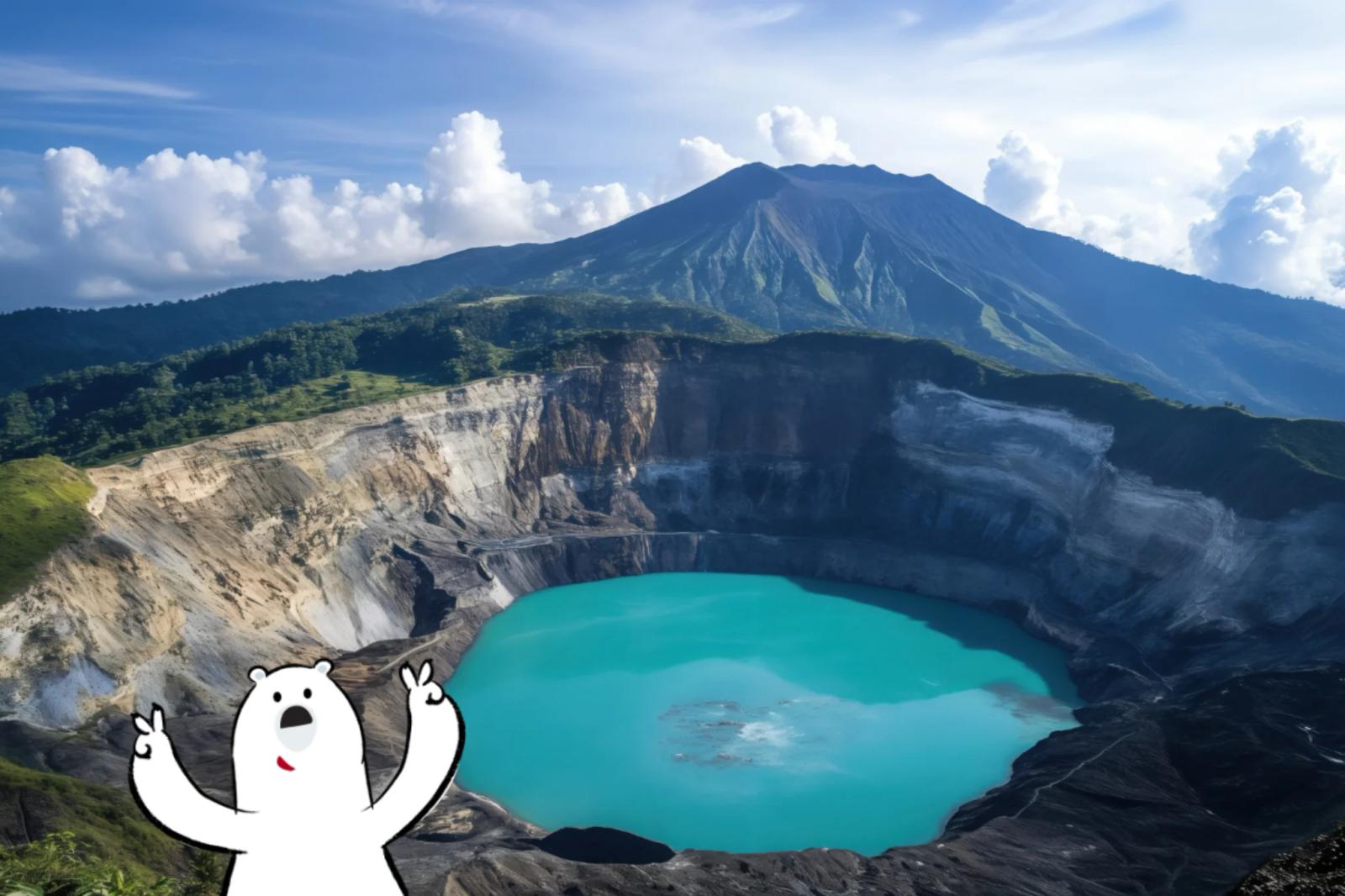
On the island of Flores, Mount Kelimutu rises above a landscape shaped by volcanic forces. At its summit are three crater lakes that can change color independently of one another.
The changes are driven by volcanic gases and chemical reactions beneath the surface. Iron, sulfur, and manganese compounds oxidize at different rates, altering the lakes’ appearance over time. One lake may turn turquoise while another darkens to green or reddish brown.
There is no predictable season for specific colors. Shifts can occur over months or even years, making timing less about planning and more about chance. What visitors see rarely matches what previous visitors described.
Swimming is prohibited, both for safety reasons and out of respect for local beliefs. The lakes are culturally significant, associated with ancestral spirits. Many visitors arrive before sunrise, when mist drifts between the craters and the colors emerge gradually with the light.
Lake Pukaki, New Zealand

Lake Pukaki stretches across the Mackenzie Basin in New Zealand’s South Island, framed by wide skies and distant snowfields. Its opaque blue is one of the region’s defining sights.
The color comes from glacial meltwater carrying fine rock particles known as glacial flour. These particles remain suspended in the water, scattering sunlight and creating a vivid turquoise tone. The color is strongest in late spring and summer, when glacial melt increases.
In winter, reduced meltwater and lower light soften the blue into paler shades. Heavy rain can also dilute the particles temporarily, changing the lake’s appearance from day to day.
Although Lake Pukaki feels remote, it has been modified for hydroelectric use, affecting water levels and subtly influencing color intensity. The water is cold year-round, and most visitors experience the lake from the shoreline or roadside viewpoints rather than in the water.
Get Eskimo eSIM to stay connected globally
Need internet while travelling? Here's what we recommend:

Fixed data plans
- No speed reduction
- No expiry, keep your data forever
- Transfer data to anyone
- Personal hotspot


Hutt Lagoon, Australia

Hutt Lagoon lies along Western Australia’s Coral Coast near the town of Port Gregory, separated from the Indian Ocean by a narrow strip of land. Unlike more remote pink lakes, it is easily accessible by road, making it one of the few color-changing lakes travelers can revisit with little effort.
The lagoon’s color is driven by algae that produce red pigments in response to high salinity and intense sunlight. Depending on conditions, the water can appear pink, deep red, lilac, or even silvery white.
Color intensity shifts with season and weather. During hotter, drier months, when evaporation increases salinity, the lagoon tends to deepen in color. After rainfall or during cooler periods, the hue often fades or changes altogether.
Hutt Lagoon rewards repeat visits, not because it is rare, but because it is unstable. Its appeal lies in variability rather than permanence, reinforcing the idea that arrival time shapes the experience as much as location.
Timing, Light, and Uncertainty
These lakes are not built around activities or schedules. Their colors respond to temperature, minerals, wind, and light, often in ways that only become noticeable if you slow down.
Arriving at the “wrong” time is part of the experience. A lake may appear muted or unfamiliar compared to photographs taken months earlier. That unpredictability shifts the focus from spectacle to presence. You are not collecting an image. You are observing a moment.
Color-changing lakes resist simplification. They are shaped by processes that continue long after visitors leave, responding to forces that do not repeat on demand.
Traveling to them is less about seeing something once and more about understanding why it looks the way it does at that moment. In that sense, these lakes are not destinations at all, but moments you arrive just in time to witness.
Connectivity Where the Landscape Takes Over
Many color-changing lakes lie far from reliable infrastructure. In regions like Bolivia’s Altiplano, the highlands of Flores, New Zealand’s South Island, or Western Australia’s Coral Coast, mobile coverage can disappear quickly beyond major towns.
Eskimo provides a practical way to stay connected while traveling through remote regions. A country-specific eSIM, or a free global eSIM with 500MB for new users, can help with navigation, logistics, or checking local conditions without relying on public Wi-Fi.
FAQs
Why do some lakes change color?
Some lakes change color due to interactions between minerals, microorganisms, light, and temperature within the water. Algae can produce pigments that tint lakes red, pink, or green, while minerals and fine sediments scatter light into blue or turquoise tones. In volcanic regions, chemical reactions beneath the surface can also alter the water color over time.
Do color-changing lakes look the same all year?
Color-changing lakes do not look the same year-round, as their appearance can shift seasonally or even daily. Changes in sunlight, water levels, temperature, and biological activity all affect how strong or subtle a lake’s color appears.
When is the color usually strongest?
The strongest colors appear when natural conditions intensify the process behind the color change. Glacial lakes tend to look brightest during warmer months with increased meltwater, while shallow or saline lakes often deepen in color during hot, dry periods with high evaporation and sunlight.
Why does Hutt Lagoon change color so often?
Hutt Lagoon changes color frequently because its algae respond quickly to shifts in salinity, temperature, and sunlight. Depending on conditions, the lagoon can appear pink, red, lilac, or pale silver, sometimes changing noticeably within weeks.
Can you swim in color-changing lakes?
Swimming in color-changing lakes is often restricted or discouraged due to environmental, safety, or cultural reasons. Some lakes are protected ecosystems, while others have extreme salinity, cold temperatures, or mineral content that make swimming unsafe.
Are color-changing lakes safe to visit?
Color-changing lakes are generally safe to visit, but conditions vary by location. Many are found in remote, high-altitude, or environmentally sensitive areas where weather, limited infrastructure, and access restrictions require preparation and caution.
Do these lakes keep their color forever?
Not all color-changing lakes keep the same color permanently. Some remain relatively stable under consistent conditions, while others shift gradually or unpredictably as climate patterns, water chemistry, or geological activity change.