
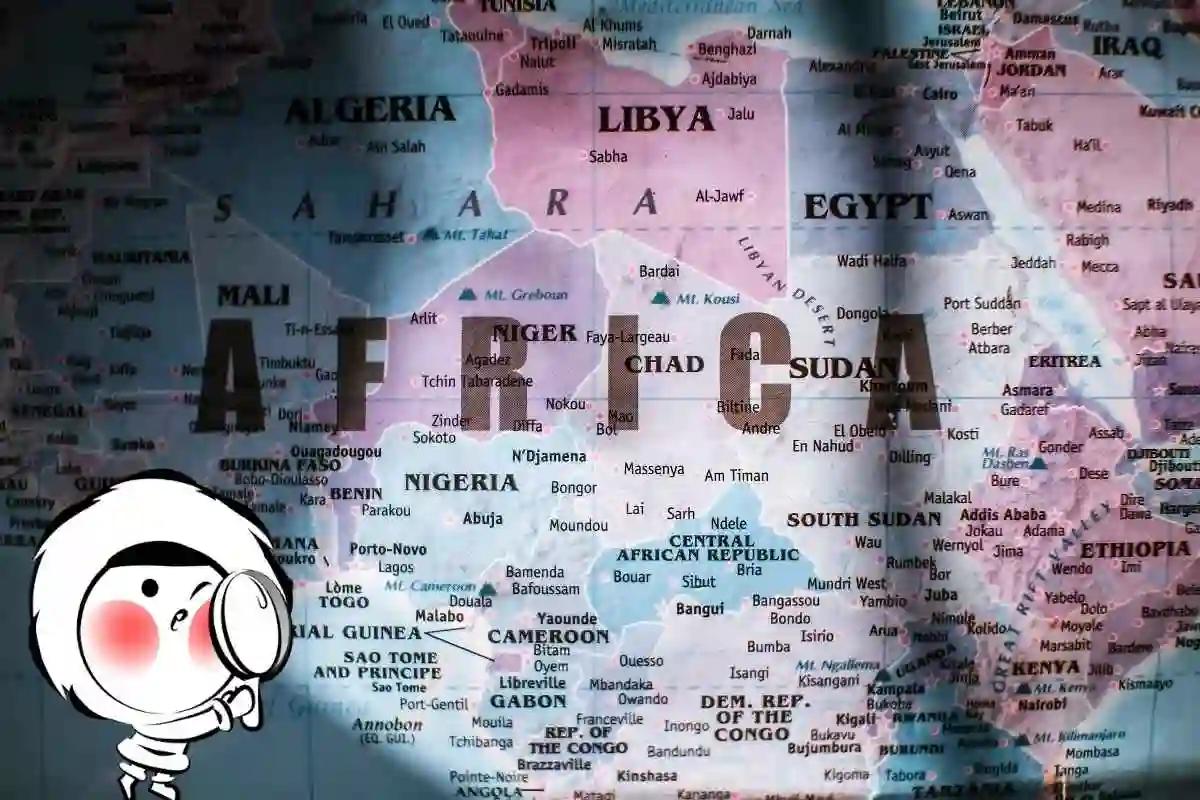
Africa is one of the most diverse and fascinating continents in the world. It is home to 54 recognized countries, each offering unique landscapes, cultures, wildlife, and histories. Africa is the second-largest continent in the world, both in land area and population. Africa consists of 54 countries, divided into five main regions:
North Africa (6 countries) : Egypt, Libya, Tunisia, Algeria, Morocco, Sudan
West Africa (16 countries) : Nigeria, Ghana, Senegal, Côte d’Ivoire (Ivory Coast), Mali, Burkina Faso, Niger, Benin, Togo, Sierra Leone, Liberia, Guinea, Guinea-Bissau, Gambia, Cape Verde
East Africa (18 countries) : Ethiopia, Kenya, Tanzania, Uganda, Rwanda, Burundi, Somalia, South Sudan, Sudan, Eritrea, Djibouti, Seychelles, Mauritius, Comoros, Madagascar, Malawi, Mozambique, Zambia
Central Africa (9 countries) : Cameroon, Central African Republic, Chad, Republic of the Congo, Democratic Republic of the Congo, Equatorial Guinea, Gabon, São Tomé and Príncipe, Angola
Southern Africa (5 countries) : South Africa, Namibia, Botswana, Zimbabwe, Lesotho, Eswatini (Swaziland)
A Brief Look at African Regions and Countries
North Africa
Countries like Morocco, Egypt, Tunisia, Algeria, and Libya are known for their strong Arab and Mediterranean influences. Egypt is famous for the pyramids and ancient history, while Morocco attracts visitors with its colorful souks, riads, and deserts.
West Africa
This region includes Nigeria, Ghana, Senegal, Ivory Coast, and Mali. It is rich in music, culture, and history. Ghana is popular for heritage tourism and friendly locals, while Senegal is known for its vibrant culture and coastal cities.
East Africa
Countries such as Kenya, Tanzania, Uganda, Rwanda, and Ethiopia are famous for wildlife safaris and natural beauty. Kenya and Tanzania are top destinations for seeing the Big Five, while Rwanda is known for gorilla trekking and clean, safe cities.
Central Africa
This region includes Cameroon, Democratic Republic of Congo, Republic of Congo, Gabon, and Chad. It is less visited but offers dense rainforests, unique wildlife, and rich biodiversity, especially for adventurous travelers.
Southern Africa
Countries like South Africa, Namibia, Botswana, Zimbabwe, Zambia, and Mozambique are among the most tourist-friendly. South Africa offers modern cities and wine regions, Namibia has stunning deserts, and Botswana is famous for luxury safaris.
Most Popular African Countries for Tourists and Why
Egypt
Egypt is one of Africa’s most visited countries due to its legendary ancient history. Tourists come to see the Pyramids of Giza, the Sphinx, Luxor’s temples, and the Nile River. Egypt also offers Red Sea beach resorts like Hurghada and Sharm El-Sheikh, combining history and relaxation.
Morocco
Morocco attracts travelers with its mix of Arab, Berber, and European cultures. Cities like Marrakech and Fez are known for colorful markets, historic riads, and rich cuisine. The country also offers diverse landscapes, from the Sahara Desert to the Atlas Mountains.
Get Eskimo eSIM to stay connected globally
Need internet while travelling? Here's what we recommend:

Fixed data plans
- No speed reduction
- No expiry, keep your data forever
- Transfer data to anyone
- Personal hotspot


South Africa
South Africa is popular for its excellent infrastructure, safety standards, and variety of experiences. Visitors can enjoy wildlife safaris, scenic coastal drives, wine regions, and vibrant cities like Cape Town. It is also known for being English-friendly and traveler-friendly.
Kenya
Kenya is famous for safari tourism, especially the Great Migration in the Maasai Mara. Tourists also enjoy cultural experiences with local tribes, beautiful beaches along the Indian Ocean, and national parks filled with wildlife.
Tanzania
Tanzania is best known for Serengeti National Park and Mount Kilimanjaro, Africa’s highest peak. Zanzibar, with its white-sand beaches and historic Stone Town, adds a tropical island experience to wildlife adventures.
Namibia
Namibia attracts tourists with its dramatic desert landscapes, including Sossusvlei’s red sand dunes. It is known for safe self-drive routes, unique photography opportunities, and peaceful nature experiences.
Tips for First-Time Visiting Africa
If you’re planning your first trip to Africa, these tips can help make your journey smoother:
- Research visa requirements carefully, as they vary by country
- Check recommended vaccinations and health precautions before traveling
- Start with popular and well-developed destinations if it’s your first visit
- Use local guides for safaris and cultural tours
- Dress modestly and respectfully, especially in rural or religious areas
- Carry cash in smaller denominations, as cards are not accepted everywhere
- Stay connected with mobile internet for navigation and safety
- Respect local customs, traditions, and wildlife rules
- Use an eSIM when traveling around Africa. Eskimo eSIM offers Africa data plan that covers 26 countries across the continent. There is also a free 500 MB global data trial that you can use in 109+ countries without purchasing any data plan
FAQs
What is the best time of year to visit Africa?
The best time depends on the region and travel purpose. Dry seasons are ideal for safaris, while coastal destinations can be visited year-round with slight seasonal differences.
Is Africa suitable for solo travelers or families?
Yes, many destinations in Africa are suitable for solo travelers, couples, and families. Countries with strong tourism infrastructure offer family-friendly lodges, guided tours, and safe transportation options.
Can travelers use credit cards easily across Africa?
Credit cards are commonly accepted in major cities, hotels, and tourist areas, but smaller towns and rural regions often rely on cash, so carrying both is advised.