Japan is a year-round destination, but each season offers a completely different travel experience. Here’s a seasonal guide to where to go in Japan, what to expect, how to prepare, and how much to budget.
Winter (December–February)
Best destinations:
- Hokkaido (Sapporo, Niseko, Furano)
- Nagano (Hakuba, Jigokudani Snow Monkey Park)
- Tohoku region (Aomori, Akita)
What to expect:
Winter in Japan is cold but magical, especially in the northern regions. Hokkaido is famous for world-class skiing and snowboarding, while Nagano offers alpine scenery and traditional hot springs. Snow festivals, such as the Sapporo Snow Festival, are major highlights.
Why visit in winter:
- Excellent ski resorts and powder snow
- Fewer tourists outside ski areas
- Cozy onsen experiences
- Unique winter festivals
Spring (March–May)
Best destinations:
- Tokyo
- Kyoto
- Osaka
- Nara
- Mount Fuji (Kawaguchiko)
What to expect:
Spring is the most popular season due to cherry blossom (sakura) season, usually peaking from late March to early April. Parks, temples, and riversides turn pink, creating iconic scenery. The weather is mild and perfect for sightseeing.
Why visit in spring:
- Cherry blossoms and seasonal festivals
- Comfortable temperatures
- Best time for city exploration and cultural sightseeing
Expect crowds and higher accommodation prices during peak sakura weeks.
Summer (June–August)
Best destinations:
- Hokkaido (cooler temperatures)
- Okinawa (beaches and islands)
- Japanese Alps (Kamikochi, Tateyama)
- Tokyo & Osaka (for festivals)
What to expect:
Summer in Japan can be hot and humid, especially in major cities. However, it’s also festival season, with fireworks (hanabi), traditional dances, and lively street events. Okinawa offers tropical beaches, while Hokkaido stays cooler and green.
Why visit in summer:
- Spectacular fireworks festivals
- Mountain hiking and nature escapes
- Beach activities in Okinawa
June is rainy season (except Hokkaido), so pack accordingly.
Autumn (September–November)
Best destinations:
- Kyoto
- Tokyo
- Nikko
- Kanazawa
- Japanese Alps
Get Eskimo eSIM to stay connected in Japan
Need internet in Japan? Here's what we recommend:

Fixed data plans
- No speed reduction
- No expiry, keep your data forever
- Transfer data to anyone
- Personal hotspot
Unlimited data plans
- Unlimited day pass
- Daily 3GB high-speed + 1Mbps unlimited after
- Personal hotspot


What to expect:
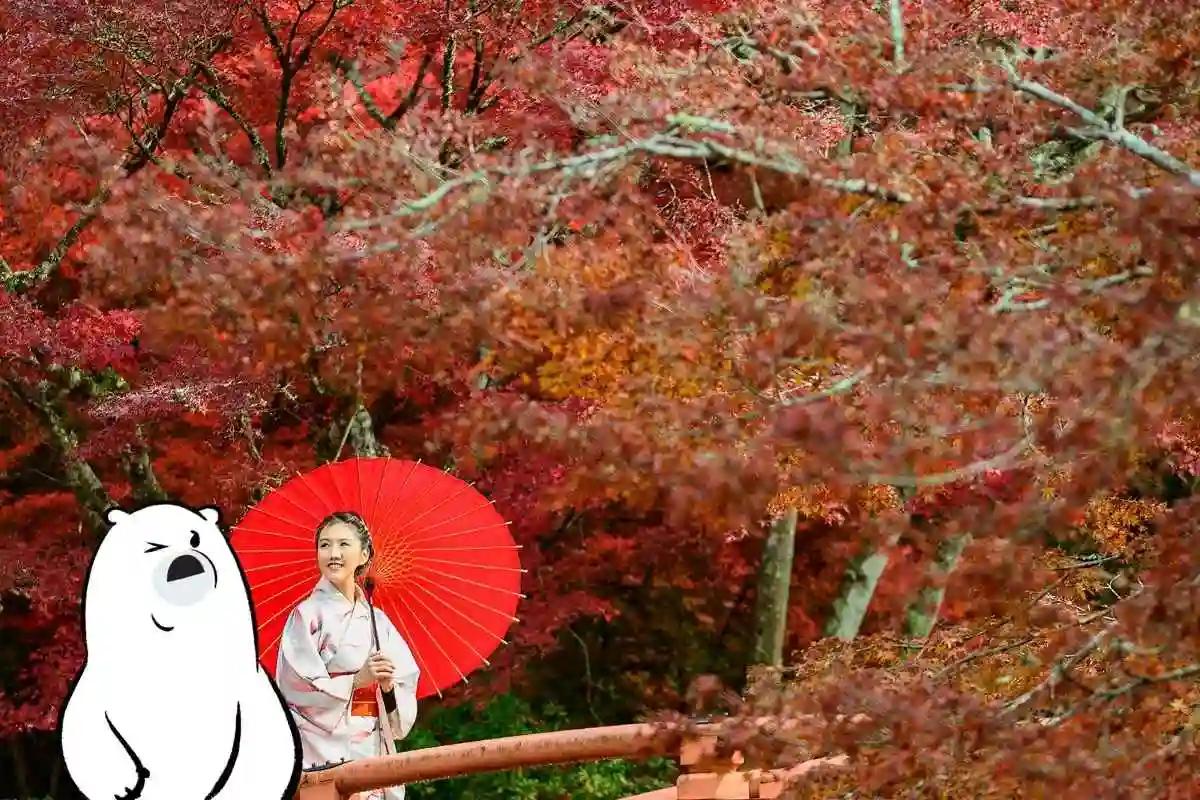
Autumn is considered one of the best times to visit Japan. The weather is cool and dry, and fall foliage (koyo) turns mountains and temples red, orange, and gold. It’s less crowded than spring but equally beautiful.
Why visit in autumn:
- Stunning autumn leaves
- Pleasant temperatures
- Ideal for photography and walking tours
What to Prepare Before Traveling to Japan
Before your trip, it’s important to plan ahead:
Clothing:
- Winter: heavy jacket, heat-tech layers, gloves
- Spring/Autumn: light jacket, comfortable shoes
- Summer: breathable clothing, hat, sunscreen
Connectivity:
Mobile internet (eSIM or pocket WiFi) for maps, trains, and translation. Try Eskimo eSIM for free! Eskimo is offering a 500 MB of global data free trial that you can use in 109 countries, including Japan.
Transportation:
- IC cards (Suica, Pasmo)
- Consider JR Pass for long-distance travel
Cash & Payments:
- Cash is still widely used, especially in rural areas
Travel planning:
- Book accommodations early during spring and autumn peak seasons
Budget Breakdown (Average Per Day, Per Person)
Here’s a rough daily budget estimate for Japan:
Budget traveler: USD 60–90
- Hostel or capsule hotel: USD 25–40
- Food (convenience store & casual meals): USD 15–25
- Transportation: USD 10–15
- Attractions: USD 10
Mid-range traveler: USD 120–180
- Hotel or Airbnb: USD 70–100
- Food (restaurants): USD 30–40
- Transportation: USD 15–20
- Attractions & activities: USD 15–20
Comfort/Luxury traveler: USD 250+
- High-end hotels or ryokan: USD 180+
- Dining experiences: USD 50–80
- Private transport/tours: USD 30+
Costs increase during cherry blossom season and major festivals.
FAQs
Do I need a visa to travel to Japan?
Visa requirements depend on your nationality. Many travelers can enter Japan visa-free for short stays, but always check the latest immigration rules before departure.
Is Japan suitable for first-time international travelers?
Yes. Japan is very safe, well-organized, and tourist-friendly, with clear signage, punctual transport, and helpful locals, making it ideal for first-time travelers.
Is it easy to travel between cities in Japan?
Yes. Japan’s train system is one of the most efficient in the world, allowing fast and convenient travel between cities using shinkansen (bullet trains).
How far in advance should I plan a trip to Japan?
It’s best to plan at least 2–3 months ahead, especially for popular seasons, to secure better accommodation options and transportation availability.