The Dragon Boat Festival is a traditional Chinese celebration that blends history, ritual, and competitive racing. Held in early summer, it is marked by long boat races, symbolic foods, and customs rooted in centuries-old beliefs. Today, the festival is celebrated not only in China but also in many parts of the world, where its cultural significance endures.
What Is the Dragon Boat Festival?
The Dragon Boat Festival, also known as the Duanwu Festival, is a traditional event observed according to the lunar calendar. It takes place on the fifth day of the fifth lunar month and is closely associated with themes of remembrance, loyalty, and protection.
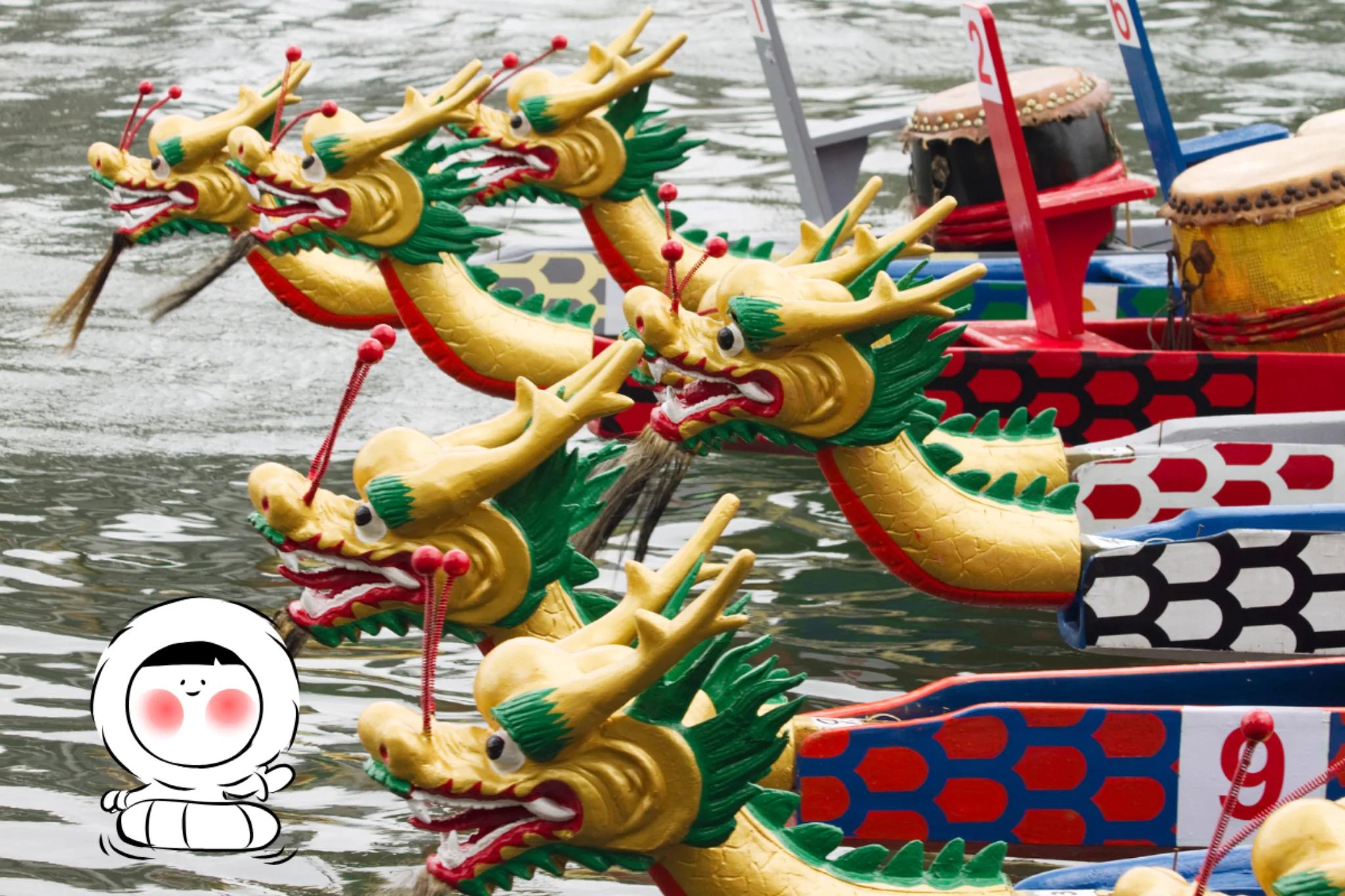
The festival is best known for its dragon boat races, where teams paddle in long, narrow boats decorated with dragon imagery. Alongside the races, families prepare traditional foods and observe customs that reflect seasonal change and cultural heritage.
Origins and Legend Behind the Festival
The origins of the Dragon Boat Festival are most commonly linked to the story of Qu Yuan, a poet and statesman from ancient China. According to legend, Qu Yuan drowned himself in a river after being exiled for opposing corruption within the government.
Villagers raced across the water in boats in an attempt to save him, beating drums to frighten away fish and throwing rice into the river as offerings. Over time, these acts evolved into the festival’s defining traditions, including boat racing, drumming, and rice dumplings.
The legend remains central to the festival’s meaning, emphasizing values such as integrity, loyalty, and remembrance.
Key Traditions of the Dragon Boat Festival
Dragon boat races
Dragon boat races are the most visible tradition of the festival. The boats are long and slender, often featuring carved dragon heads at the front and tails at the back. Each team includes paddlers, a drummer who sets the rhythm, and a steerer who guides the boat.
The races highlight teamwork and coordination, symbolizing collective effort rather than individual competition.
Zongzi (traditional rice dumplings)
Zongzi are an essential part of the Dragon Boat Festival. These sticky rice dumplings are wrapped in bamboo or reed leaves and filled with ingredients that vary by region, including pork, beans, or dates.
Preparing and sharing zongzi is closely tied to the festival’s legend and remains an important family tradition during the celebration.
Festival customs and symbols
Beyond races and food, the festival includes customs meant to protect against illness and misfortune. These may involve hanging aromatic herbs, wearing symbolic charms, or observing rituals linked to early summer health beliefs.
Many of these practices reflect ancient understandings of seasonal change and are still observed today as part of cultural tradition.
Get Eskimo eSIM to stay connected globally
Need internet? Here's what we recommend:

Fixed data plans
- No speed reduction
- No expiry, keep your data forever
- Transfer data to anyone
- Personal hotspot


Where to Experience the Dragon Boat Festival Today
The Dragon Boat Festival originated in China and is still widely celebrated across the country, particularly in regions with strong river and waterfront cultures. Large-scale events are also held in Hong Kong and Taiwan, often attracting international racing teams.
Outside East Asia, dragon boat racing has grown into a global sport. Many cities around the world now host annual races inspired by the traditional festival, combining cultural heritage with modern competition.
When Does the Dragon Boat Festival Take Place?
The Dragon Boat Festival follows the lunar calendar, which means its date changes each year. It is celebrated on the fifth day of the fifth lunar month, usually falling in late May or June.
Because the date varies annually, travelers planning to attend festival events should check the exact dates in advance. The festival typically coincides with the start of warmer weather, reinforcing its connection to seasonal traditions.
Dragon Boat Festival vs Carnival Celebrations
While both carnival celebrations and the Dragon Boat Festival involve public gatherings and striking visuals, their purposes differ. Carnivals such as those in Rio de Janeiro or Venice focus on spectacle, costume, and indulgence.
The Dragon Boat Festival, by contrast, is rooted in ritual and remembrance. Its races, foods, and customs are tied to historical narratives and seasonal beliefs, offering a more reflective cultural experience.
Why the Dragon Boat Festival Is Worth Experiencing
The Dragon Boat Festival offers a meaningful way to experience Chinese culture beyond historical landmarks. It brings together community, history, and physical participation through traditions that have endured for generations.
For travelers, the festival provides insight into how ancient customs continue to shape modern life, from local rituals to international sporting events.
Stay Connected During Festivals With Eskimo
Traveling for cultural festivals often means navigating crowded venues, changing schedules, and unfamiliar locations. Reliable mobile data makes it easier to access maps, event updates, and local transportation information.
With Eskimo, travelers can stay connected across borders without relying on local SIM cards or public Wi-Fi. New users can also take advantage of a free 500MB global data offer, making it easy to get started before your trip.
FAQs
What is the Dragon Boat Festival?
The Dragon Boat Festival is a traditional Chinese celebration featuring dragon boat races, symbolic foods, and customs rooted in history and seasonal beliefs.
When is the Dragon Boat Festival celebrated?
It takes place on the fifth day of the fifth month of the lunar calendar, usually falling in late May or June.
What food is eaten during the Dragon Boat Festival?
The most common food is zongzi, sticky rice dumplings wrapped in bamboo leaves and filled with sweet or savory ingredients.