
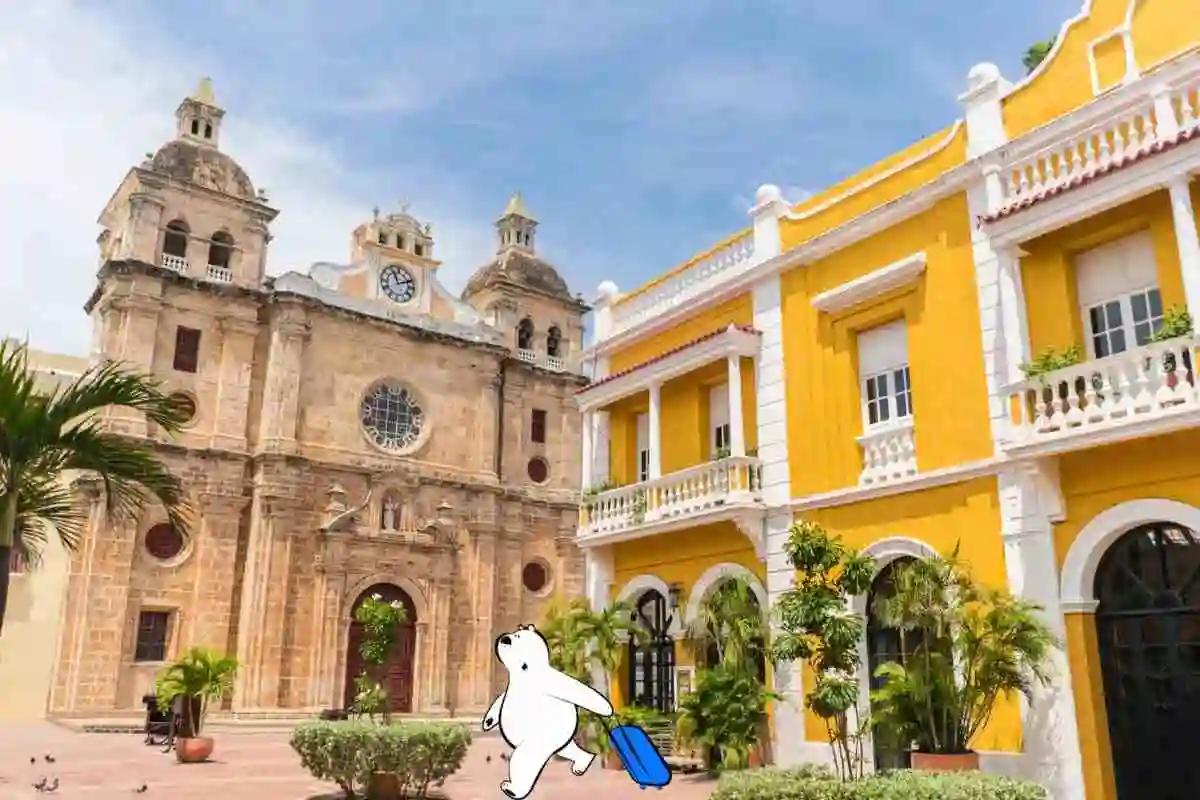
South America is a vast and diverse continent with incredible landscapes, vibrant cultures, iconic festivals, and nature that ranges from glaciers to rainforests. While it doesn’t attract as many international tourists as Europe or Asia, its destinations are increasingly popular among global travelers.
1. Colombia
Colombia has broken tourism records with about 6–7 million visitors in 2025, a huge increase reflecting rising global interest in its culture, cities, beaches, and coffee region.
Why Visit:
Bogotá, Medellín, and Cartagena are cultural hubs with museums, street art, colonial architecture, and Caribbean beaches.
Best Length: 10–14 days
Budget (per day per person):
- Accommodation: $30–$60
- Food: $10–$20
- Transportation: $10–$15
- Total: ~$50–$95
2. Brazil
Brazil remains one of South America’s top destinations with masses of visitors drawn to Rio de Janeiro, São Paulo, and the Amazon region. Rio alone sees millions annually for its beaches, Carnival, and iconic landmarks like Christ the Redeemer.
Why Visit:
Natural wonders, vibrant culture, world-famous festivals, and diverse ecosystems from Pantanal to Amazon.
Best Length: 10–14 days
Budget (per day per person):
- Accommodation: $35–$70
- Food: $12–$25
- Transportation: $15–$25
- Total: ~$60–$120
3. Peru
Peru consistently ranks high on travelers’ interest lists, especially for Machu Picchu and Cusco, Lima’s historic center, and Amazon excursions.
Why Visit:
Inca ruins, vibrant cities, Andean culture, and biodiverse regions.
Best Length: 10–12 days
Budget (per day per person):
- Accommodation: $25–$55
- Food: $10–$20
- Transportation: $10–$20
- Total: ~$45–$95
4. Argentina
Argentina attracts visitors with Buenos Aires’ European charm, Patagonia’s dramatic landscapes, and wine regions like Mendoza. It regularly appears at the top of South America tourist rankings.
Why Visit:
Tango culture, glaciers, waterfalls, and lively urban life.
Best Length: 10–14 days
Budget (per day per person):
- Accommodation: $30–$60
- Food: $12–$25
- Transportation: $10–$20
- Total: ~$55–$105
5. Chile
Chile is celebrated for its natural attractions, from the Atacama Desert in the north to Patagonia in the south and draws many outdoor enthusiasts.
Why Visit:
Stunning national parks, deserts, Andean peaks, and unique landscapes.
Best Length: 9–13 days
Budget (per day per person):
- Accommodation: $30–$60
- Food: $12–$25
- Transportation: $10–$18
- Total: ~$55–$105
6. Ecuador
Ecuador may see fewer mass tourists than its neighbors, but its Galápagos Islands, Andes highlands, and colonial Quito make it unforgettable.
Why Visit:
Galápagos wildlife, cultural heritage, volcanoes, and Amazon jungles.
Best Length: 8–12 days
Budget (per day per person):
- Accommodation: $25–$50
- Food: $10–$18
- Transportation: $8–$15
- Total: ~$45–$85
Get Eskimo eSIM to stay connected globally
Need internet? Here's what we recommend:

Fixed data plans
- No speed reduction
- No expiry, keep your data forever
- Transfer data to anyone
- Personal hotspot


7. Bolivia
Bolivia has a smaller tourism footprint but offers rich attractions like Uyuni Salt Flats, Lake Titicaca, and cultural heritage in Sucre and La Paz.
Why Visit:
Unique high-altitude landscapes, salt flats, deep cultural experiences.
Best Length: 7–10 days
Budget (per day per person):
- Accommodation: $20–$40
- Food: $8–$15
- Transportation: $6–$12
- Total: ~$35–$65
8. Paraguay
Paraguay is often overlooked but offers authentic culture, historic Jesuit missions, and riverside towns.
Why Visit:
Low crowds, historic sites, rivers, and Paraguayan traditions.
Best Length: 5–8 days
Budget (per day per person):
- Accommodation: $20–$40
- Food: $8–$12
- Transportation: $5–$10
- Total: ~$35–$60
9. Uruguay
Uruguay receives fewer visitors than its neighbors but rewards travelers with Montevideo’s cultural scene and Punta del Este’s beaches. Montevideo welcomed around 1 million tourists in 2024.
Why Visit:
Relaxed coastal towns, historic capital, and scenic drives.
Best Length: 6–9 days
Budget (per day per person):
- Accommodation: $30–$55
- Food: $10–$20
- Transportation: $8–$15
- Total: ~$50–$90
10. Venezuela / Guyana / Suriname
These countries attract fewer international tourists due to various factors including political or infrastructure challenges. Venezuela’s tourism is very limited and often discouraged for safety reasons. Guyana and Suriname offer rainforest adventures and cultural heritage but remain off the typical tourist trail.
Why Visit:
Wild jungles, indigenous culture, and very off-the-beaten-path travel.
Best Length: 7–12 days
Budget: Varies widely, generally higher due to travel complexity
Is South America Safe for Solo Travelers?
Safety in South America varies significantly by country, region, and local context. It’s important to research specific cities and neighborhoods before you go, rather than assume the whole continent is either safe or dangerous.
• Countries like Uruguay, Chile, Argentina, and parts of Ecuador are generally considered safer with normal precautions.
Uruguay consistently ranks among the most peaceful in the region; Argentina and Chile regularly score well on global peace and safety indexes; and many areas of Ecuador (particularly highland towns and Galápagos) are comfortable for visitors, though petty crime can occur in cities.
• Colombia and Brazil can be safe in major tourist zones but still require awareness and situational caution.
Both countries see millions of visitors each year, and places like Cartagena, Medellín, Buenos Aires, and Florianópolis are popular with solo travelers. At the same time, wealth disparities and urban crime mean you should avoid unfamiliar, higher-risk neighborhoods, especially after dark.
• Venezuela is widely advised against by many international travel safety sources.
Venezuela remains under serious warnings due to very high violent crime rates, political instability, and economic challenges, which make travel there risky for most tourists.
• Solo travelers should stick to well-known neighborhoods, use reputable transport, and avoid walking alone late at night.
Major tourist areas often have visible police or security presence, and services like licensed taxis or ride-hail apps (Uber, etc.) are safer than street hailing. Carrying minimal cash, keeping belongings secure, and staying in accommodations with good reviews reduces risk.
What to Prepare Before Visiting South America
Travel Documents & Visas
• Check visa requirements early, some nationalities need visas or e-visas.
• Ensure passport validity of at least 6 months.
Health & Safety
• Get recommended vaccinations (e.g., yellow fever in Amazon regions).
• Travel insurance is highly recommended.
Money & Payments
• Carry both cards and cash, small towns often prefer cash.
• Inform your bank before travel.
Connectivity
• Mobile internet is widely available in cities.
• Consider an international eSIM such as Eskimo eSIM, which covers 140+ countries, including countries in South America. Try a free 500 MB global data that valid for 2 years (click here).
Cultural Awareness
• Learn basic Spanish or Portuguese phrases.
• Respect local customs, especially in indigenous areas.
FAQs
What is the best time of year to visit South America?
South America’s seasons vary by region, but generally May–September is ideal for Andean countries, while December–March suits southern regions like Argentina and Chile.
Is it easy to travel between South American countries?
Yes, but distances are large. Flights are often more practical than buses for long routes, while land borders work best between neighboring countries.
How reliable is public transportation in South America?
It varies by country. Major cities usually have reliable buses and metro systems, while rural areas may require flexible planning or private transport.
Is South America a good destination for nature-focused travel?
Absolutely. The continent offers rainforests, deserts, glaciers, beaches, mountains, and wildlife experiences unmatched in most other regions.
Can South America be visited on a long-term travel plan?
Yes. Many travelers spend one to three months moving between countries, as costs are manageable and visa policies are often traveler-friendly.