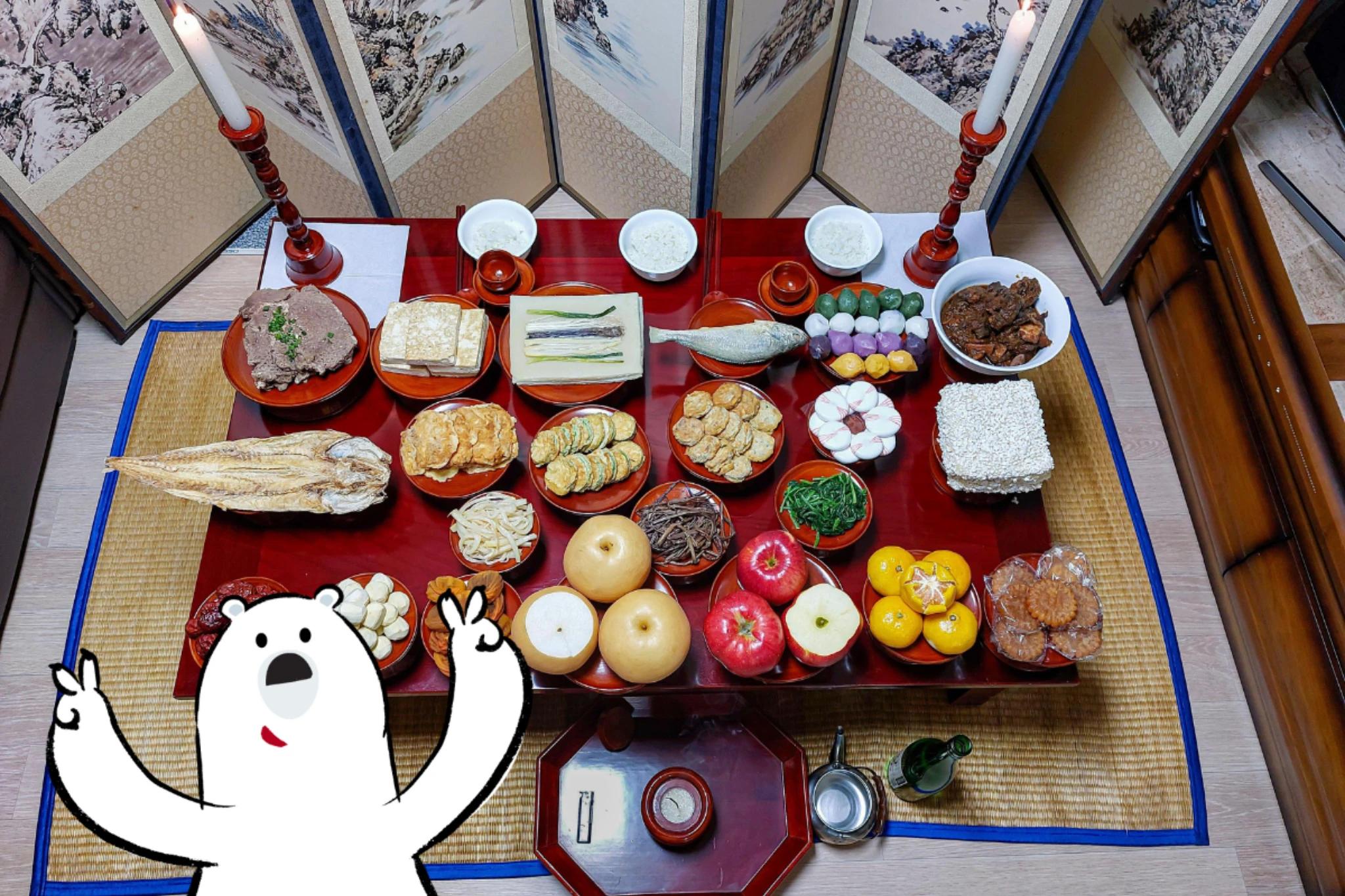
Seollal, the Korean Lunar New Year, is one of the most important moments in South Korea’s calendar. It marks the beginning of the lunar year, but more importantly, it signals a brief shift in priorities. Work pauses, cities thin out, and family takes precedence over routine. For travelers, Seollal is often experienced not through celebration, but through absence and stillness.
Unlike holidays designed to be seen and shared publicly, Seollal happens mostly behind closed doors. Understanding how it shapes daily life helps visitors move through South Korea with fewer surprises and a clearer sense of context.
When Seollal Takes Place
Seollal follows the lunar calendar and typically falls between late January and mid-February. The holiday officially lasts three days, centered on Lunar New Year’s Day, but its effects extend well beyond that.
In the days leading up to Seollal, domestic travel increases sharply as people leave major cities to return to their hometowns. After the holiday, the movement reverses, and cities slowly regain their usual pace. For travelers, this means transport congestion often matters more than the exact holiday dates.
What Seollal Means in South Korea
Seollal is rooted in continuity and respect. Families gather to honor ancestors, share symbolic meals, and begin the new year together. One of the central rituals is charye, an ancestral ceremony held at home, followed by sebae, a formal bow younger family members offer to elders.
These traditions explain why Seollal feels inward-facing. The holiday is less about public festivity and more about being present at home. Streets are quieter, not because nothing is happening, but because everything meaningful is happening elsewhere.
How Lunar New Year Is Observed in Korea
In South Korea, Lunar New Year is known as Seollal, and while it aligns with the broader Lunar New Year calendar across Asia, the way it is observed is distinct. Public celebrations are limited, and visual markers are subtle. Instead of decorations or parades, the holiday reveals itself through travel patterns, closed storefronts, and family gatherings.
For travelers familiar with Chinese New Year or Tet in Vietnam, Seollal may feel understated. That understatement is intentional.
How Seollal Changes Travel
South Korea continues to function during Seollal, but at a different rhythm. Movement becomes concentrated, and availability becomes uneven.
High-speed trains, express buses, and domestic flights often sell out quickly, especially on routes connecting Seoul to regional cities. Booking transport early is essential if you plan to move around during this period.
Within cities, the experience varies. Tourist attractions such as palaces and museums usually remain open, sometimes offering cultural programs. At the same time, local restaurants and neighborhood shops may close for one or two days, reopening gradually after the holiday.
Get Eskimo eSIM to stay connected in South Korea
Need internet in South Korea? Here's what we recommend:

Fixed data plans
- No speed reduction
- No expiry, keep your data forever
- Transfer data to anyone
- Personal hotspot



Unlimited data plans
- Unlimited day pass
- Daily 3GB high-speed + 1Mbps unlimited after
- Personal hotspot
Where Travelers Feel Seollal Most
Seollal is most noticeable in large cities, particularly Seoul. As residents leave to visit family elsewhere, the city feels calmer than usual. Subway stations are less crowded, office districts feel temporarily irrelevant, and residential neighborhoods fall quiet.
In Busan, the shift is gentler. Coastal areas and tourist zones continue operating, though local routines slow down. Smaller towns and regional cities often empty out more dramatically, especially on the main day of Seollal.
Travelers staying near transport hubs or tourist districts tend to encounter fewer disruptions than those relying on neighborhood businesses.
Food and Traditions Travelers May Notice
Food plays a central role in Seollal, mostly within family homes. The most symbolic dish is tteokguk, a rice cake soup traditionally eaten to mark the start of a new year. Eating it represents becoming one year older.
Visitors may see families dressed in hanbok, traditional Korean clothing, especially near ancestral homes or cultural sites. While most rituals remain private, some palaces and cultural centers offer limited public programs that provide a glimpse into Seollal traditions without turning them into a spectacle.
Staying Connected During Seollal
With changing schedules and limited services, staying connected helps travelers adapt quickly during Seollal. Navigation, transport updates, and last-minute adjustments often depend on mobile access, particularly when local shops are closed.
South Korea eSIM helps you to stay connected without searching for physical SIM cards during the holiday. New users can also test a free global eSIM with 500MB, useful for short stays or transit periods around Seollal.
Seeing South Korea Between Its Routines
Seollal offers a view of South Korea that travelers rarely see. Cafés close early, business districts go quiet, and family life takes precedence without apology. Nothing is staged for visitors, and nothing needs to be.
For travelers willing to slow down, Seollal is less about activities and more about observation. It is not the easiest time to travel spontaneously, but it is one of the most revealing moments to be in the country.
FAQs
Is Seollal the same as Lunar New Year?
Seollal is South Korea’s Lunar New Year. It follows the same lunar calendar as other Asian New Year celebrations but has its own traditions focused on family and ancestral rituals.
What do Koreans do during Seollal?
Most Koreans return home, perform ancestral ceremonies, share traditional meals, and spend time with family during Seollal.
Is it Seollal or Chuseok?
Seollal is the Lunar New Year in Korea, while Chuseok is an autumn harvest holiday. They are separate holidays with different meanings and dates.
How long is Seollal in Korea?
Seollal officially lasts three days, but travel disruption and reduced schedules often extend beyond that period.