
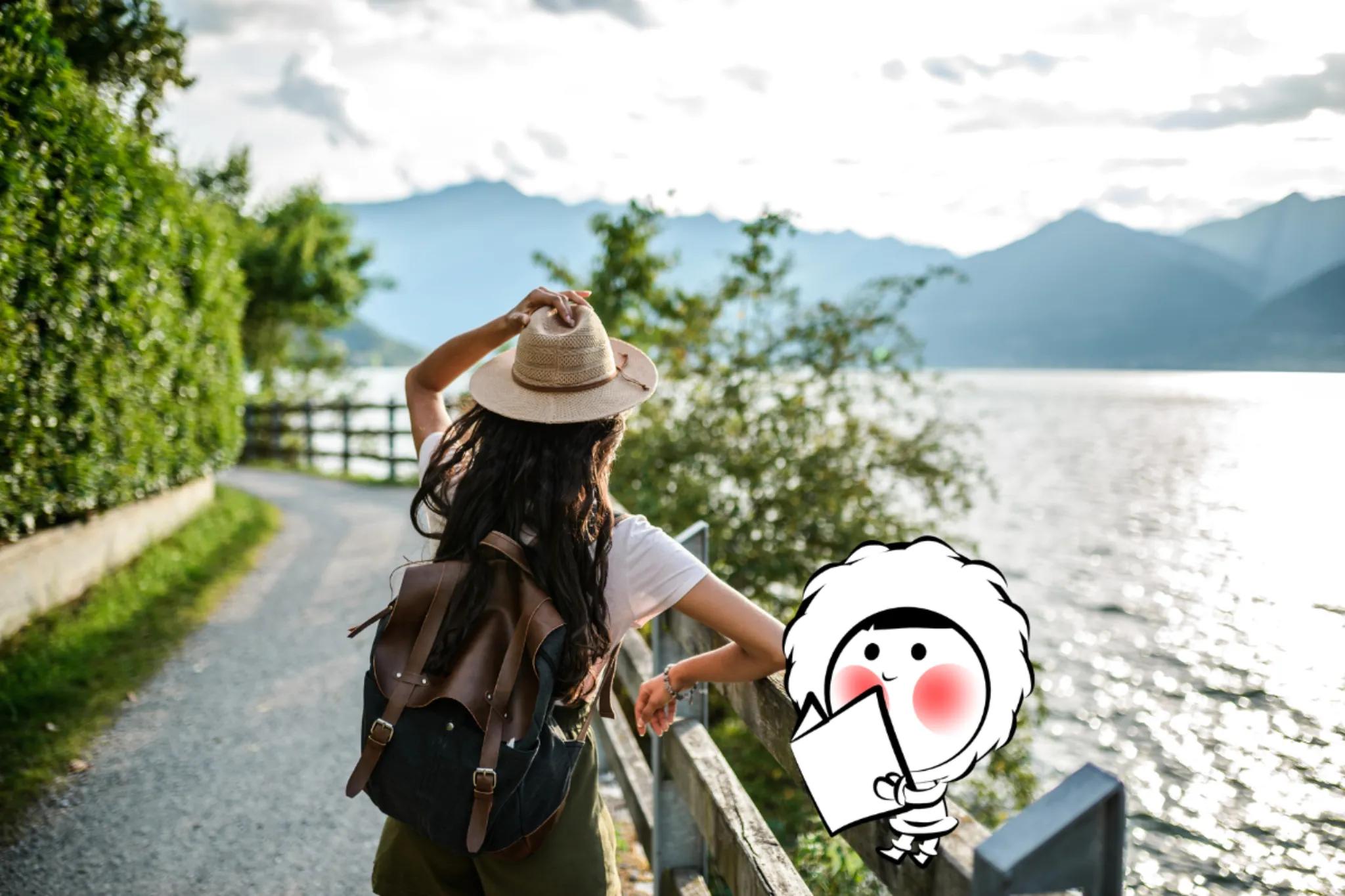
Solo travel for women can be safe, exciting, and deeply rewarding with the right habits in place. The goal is not to travel in fear. It is about making choices that give you more control, greater awareness, and better backup options from the moment you leave home to the moment you get back.
Why Solo Travel Safety Looks Different For Women
Safety for women is often less about reacting to obvious danger and more about reducing pressure before a situation turns uncomfortable. That can mean choosing a better arrival time, staying reachable, knowing your route before you step outside, or leaving a place earlier than you originally planned.
In that sense, solo travel for women is not about being overly cautious. It is about protecting your autonomy. The more prepared you are, the more freedom you usually have to enjoy the trip without second-guessing every step. Feeling safer also means recognizing smaller pressure situations, misleading approaches, and common travel scams by region.
Choose Your First Steps Carefully
The beginning of a trip often matters more than people think. A smooth arrival can make everything feel calmer. A messy one can make even a safe destination feel stressful.
A few simple choices can help:
- Arrive during daylight if possible
- Know how you will get from the airport or station to your accommodation
- Save your accommodation address offline
- Check the neighborhood, not just the room photos
- Avoid landing without a plan for your first night
Much of travel stress stems from preventable confusion. If your phone battery is low, you are carrying luggage, and you are trying to figure out directions in an unfamiliar place, your attention gets pulled in too many directions at once.
Share The Right Details With Someone You Trust
You do not need to broadcast your movements to everyone. But it helps to share a few key details with one person you trust.
That can include:
- Your flight or arrival time
- Your hotel, hostel, or apartment address
- Your rough plan for the first day
- One or two simple check-in points
This creates a quiet backup system without making your trip feel supervised.
Be More Selective With Accommodation
Where you stay affects how safe and comfortable your trip feels, especially at night and on arrival day.
When choosing accommodation, look beyond the price and design. Focus on:
- Recent reviews
- How easy it is to reach by public transport or trusted rides
- Whether the area still feels active after dark
- Whether the property has a 24-hour reception or clear check-in instructions
- Whether a women-only dorm or a private room would help you feel more comfortable
For solo female travel, convenience is often a safety feature. A cheaper stay that leaves you wandering down an empty street with luggage late at night is not always the better deal. If you are considering shared stays, it helps to be more intentional about what makes a place feel secure and practical.
Move More Carefully At Arrival And At Night
You do not need to act scared to move smartly. Small habits make a big difference, especially when you have just landed or are heading back late.
Try to:
- Check your route before you leave the airport or station
- Avoid stopping in isolated areas while looking confused
- Keep your phone charged
- Choose a brighter, busier pickup point if you are ordering transport
- Keep one ear free instead of walking fully distracted
If you arrive at night, focus on reaching your accommodation first. You can explore later, when you are settled, charged, and more aware of your surroundings.
Get Eskimo eSIM to stay connected globally
Need internet? Here's what we recommend:

Fixed data plans
- No speed reduction
- No expiry, keep your data forever
- Transfer data to anyone
- Personal hotspot


Stay Reachable Without Depending On Public Wi-Fi
One of the most useful safety habits for women traveling solo is staying reachable. That means not depending entirely on random public Wi-Fi when you land.
Having active data as soon as you arrive makes it much easier to:
- Book transport
- Check the route before getting into a car
- Message someone if plans change
- Pull up your booking details
- Use maps without standing around too long in the wrong place
This matters even more at airports. If you cannot get online quickly, you are more likely to make rushed decisions, rely on unverified help, or take transport you have not properly checked. For many solo travelers, that first hour after landing is one of the most important moments of the whole trip.
You may need to confirm your driver, confirm you are heading in the right direction, open a translation app, or share your live location with someone you trust. That is why Eskimo fits naturally into solo travel. It helps you stay connected across 100+ countries, lets you install once and use it for future trips, and keeps things simple with no physical SIM swapping. For new users, Eskimo also offers a free 500MB to get started, which can be especially useful when you first land and need data right away for maps, messages, or transport.
Trust Your Instinct And Leave Early
One of the most underrated safety skills is leaving early. If a conversation feels off, if a driver makes you uncomfortable, if a bar or street suddenly feels wrong, you do not need to wait for proof that something bad will happen. You also do not need to stay just to avoid looking rude.
This is especially important for women, because many are socialized to be polite even when they feel uneasy. But politeness is not a safety strategy. You are allowed to:
- End a conversation
- Refuse help
- Change seats
- Get out
- Go back
- Leave early
In many situations, the safest choice is to step back before things escalate.
Common Solo Travel Safety Mistakes To Avoid
Many problems in women's solo travel do not come from dramatic worst-case scenarios. They come from ordinary mistakes made when tired, distracted, or trying to stay flexible. It also helps to know how to avoid scams when traveling, since pressure and distraction are often part of how these situations work.
A few common ones include:
Arriving without a transport plan
Landing without knowing how you will get to your destination can leave you vulnerable to confusion, stress, or poor decisions.
Oversharing in public
Posting your exact location in real time or telling strangers too much about where you are staying can create risks you do not need.
Walking while completely distracted
Staring at your phone on an empty street makes it harder to notice what is happening around you. Check directions before moving when possible.
Getting too intoxicated when alone
You do not need to avoid nightlife entirely, but losing awareness in an unfamiliar place makes everything more difficult, from getting back safely to assessing who to trust.
Assuming popular means safe
A place can be touristy, photogenic, or highly recommended and still be inconvenient, isolating, or uncomfortable at certain times of day.
The politeness trap
This one deserves extra attention. Sometimes women stay in conversations, accept unwanted help, or delay leaving because they do not want to seem rude. But it is okay to be brief, firm, or unfriendly if that helps you feel safer. Your comfort matters more than someone else’s impression of you.
A Few Simple Habits That Make Solo Travel Feel Easier
The most useful safety habits are often the least dramatic. They do not appear to be a large system. They look like small choices repeated consistently.
Good examples include:
- Saving your accommodation details before you land
- Carrying a charged power bank
- Keeping emergency contacts easy to access
- Checking the route before stepping into a car
- Telling one trusted person when you arrive
- Choosing convenience over small savings when you are tired or unsure
That is usually what makes solo trips for women feel smoother. Not perfection, just better defaults.
FAQs
Is solo travel safe for women?
Yes, it can be. Solo travel for women is often safest when you combine good preparation with practical habits like planning your arrival, choosing accommodation carefully, and staying reachable.
What should women do on the first day of a solo trip?
Focus on the basics first. Arrive at your accommodation smoothly, learn the area, charge your phone, confirm your route, and avoid overloading your first day with too many moving parts.
Should you share your location when traveling alone?
Sometimes, yes. Sharing your location with one trusted person can be useful during arrivals, late-night transport, or major plan changes, as long as you do it selectively.
Is it safe to stay in hostels as a solo female traveler?
It can be, depending on the property and the setup. Reviews, neighborhood, late-night access, and options such as women-only dorms can make a significant difference.
What should women avoid doing when traveling alone?
Avoid arriving without a transport plan, oversharing your movements publicly, getting too distracted while navigating, and staying in situations that feel wrong just to be polite.