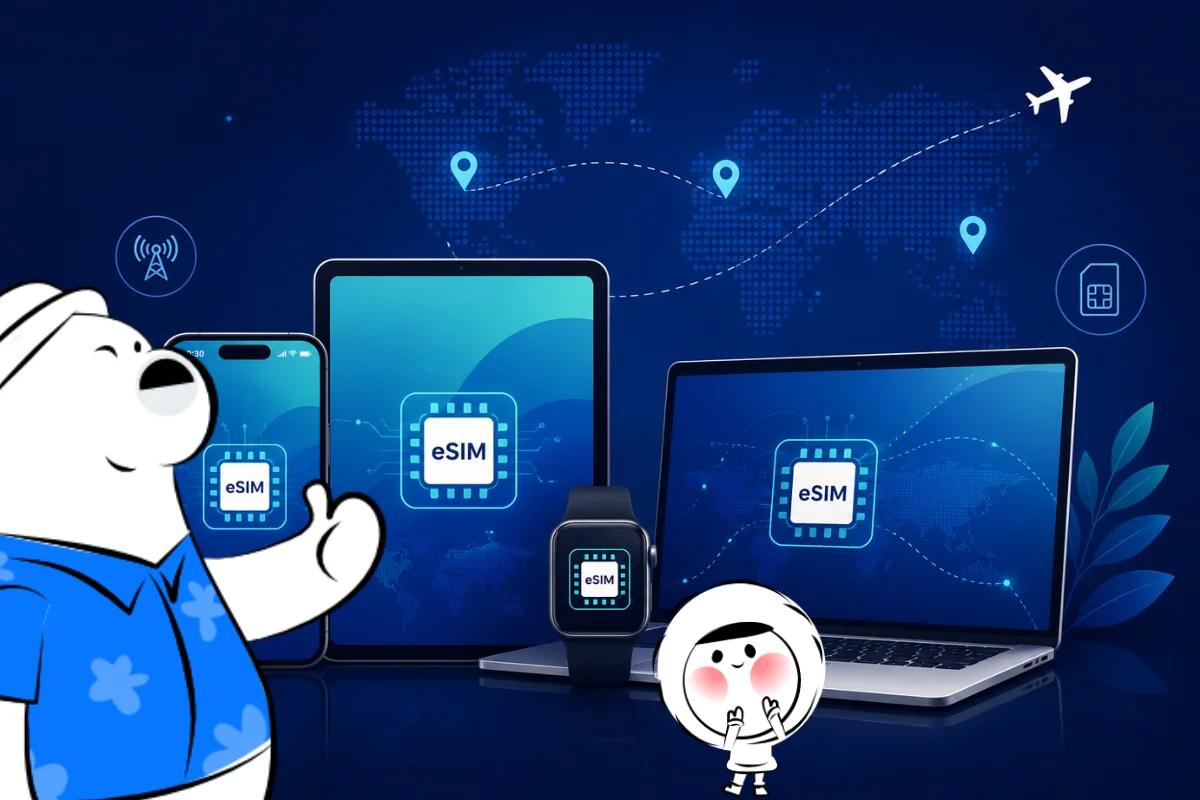
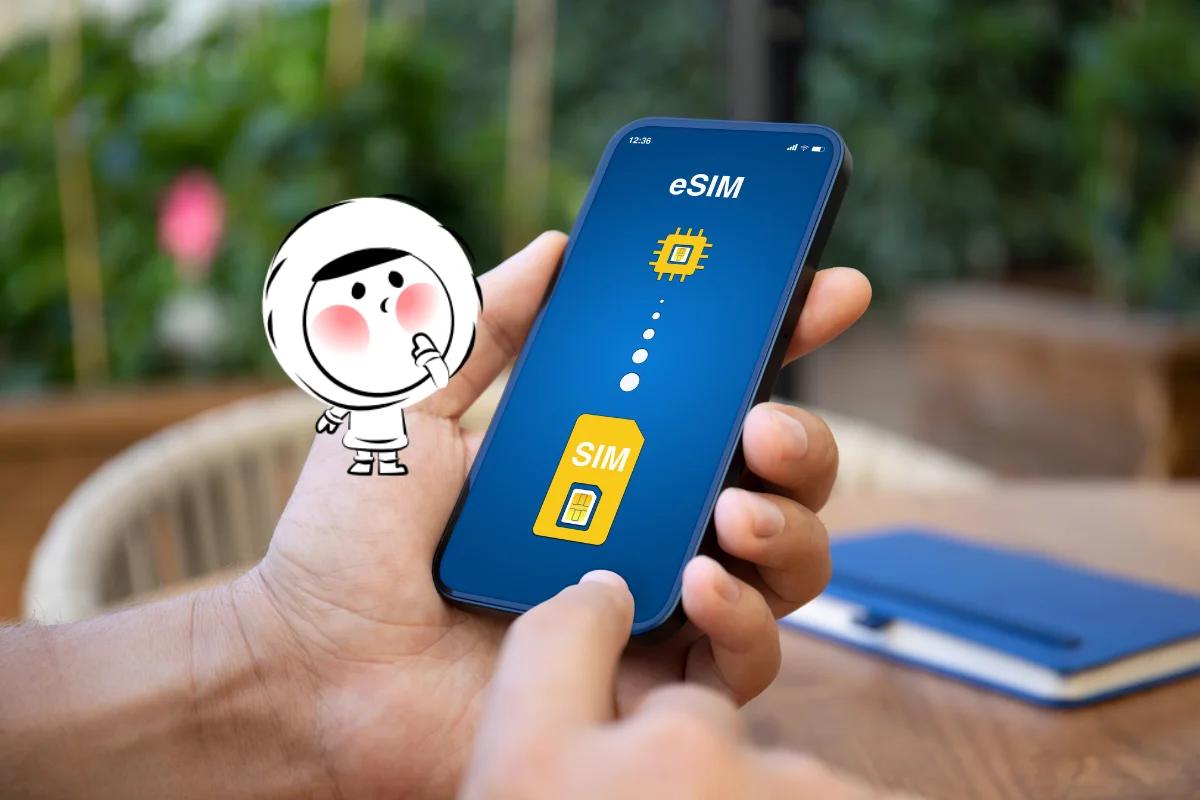
If you are traveling internationally and deciding between buying a local physical SIM after you land or installing an eSIM before you go, the simplest answer is this: an eSIM is usually better for convenience and being connected immediately, while a physical SIM can make sense for long stays in one country or when you specifically need a local phone number.
This article breaks down what actually happens in real travel conditions so you can choose with confidence.
Why This Decision Matters More Than Most Travelers Expect
Most travelers do not think about mobile data until they need it. That usually happens right after landing, when you are tired, rushed, and trying to move.
How internet access affects your first day abroad
Your first few hours in a new country often depend on mobile data for:
- Getting from the airport (ride-hailing, train apps, ticket QR codes)
- Navigation (maps, directions, and offline map updates that still need a connection)
- Messaging your accommodation (check-in instructions, gate codes)
- Handling unexpected changes (flight delays, missed connections)
The hidden cost of being offline after landing
Even if you eventually get connected, being offline during arrival can cost time, money, and energy. That is why “I will buy a SIM later” often turns into “I wish I had done this earlier.”
What Really Happens When You Buy a Local SIM at the Airport
Buying a SIM at the airport can work well, but it is rarely as quick as travelers imagine.
Availability and waiting time
Airports may have SIM booths, vending machines, or convenience stores selling tourist SIMs. The reality can include:
- Long queues during peak arrival hours
- Limited plan options
- Higher prices than city shops
- Language barriers in some destinations
Setup and activation reality
Depending on the country and carrier, you might need:
- Passport or ID registration
- Manual setup or APN configuration
- Multiple restarts before data works
If your phone is eSIM-only, this option disappears entirely.
When buying a local SIM makes sense
A local SIM can be the right choice if:
- You are staying long-term in one country
- You need a local phone number
- You are comfortable handling setup after landing
- You do not mind being offline at first
What Really Happens When You Use an eSIM Before You Travel
An eSIM is a digital SIM that can be installed before your trip.
Setting everything up before you leave
The biggest advantage is timing. You can install and check everything at home on stable Wi-Fi, without pressure.
Like Eskimo, the preparation window for eSIMs is flexible. Eskimo eSIMs can be stored for up to two years, which means you can buy one well before your trip without worrying about it expiring. Once you arrive at your destination, you can simply switch to the Eskimo eSIM for mobile data and get connected right away.
If you do not use all your data, any remaining balance stays with you and can be used for a future trip, so nothing goes to waste.
This makes it easier to prepare early without worrying about losing value.
Get Eskimo eSIM to stay connected globally
Need internet? Here's what we recommend:

Fixed data plans
- No speed reduction
- 2-year validity, unlimited data rollover
- Transfer data to anyone
- Personal hotspot


Connectivity the moment you land
Once your eSIM is installed, you can connect as soon as you land. There is no need to find a SIM counter or rely on airport Wi-Fi. Maps, messages, and bookings work immediately, which matters most on arrival day.
Limitations travelers should know
eSIMs are not perfect for every situation. Common limitations include:
- Device compatibility (older phones may not support eSIM)
- Data-only plans on most travel eSIMs
- A small learning curve for first-time users
Many travelers solve this with dual SIM setups, keeping their physical SIM for calls while using the eSIM for data.
Local SIM vs eSIM: A Practical Comparison for Travelers
Convenience and time
- eSIM: set up before travel, fewer steps after landing
- Physical SIM: setup depends on airport availability
Cost transparency
- eSIM: clearer upfront data allowances
- Physical SIM: can be cheaper in-city, but airport pricing is often higher
Reliability while moving
For multi-country trips, switching physical SIMs can become repetitive. eSIMs are often simpler because plans can be managed digitally without visiting stores.
Which Option Fits Your Travel Style Best?
Short trips and first-time international travelers
For short trips, especially first-time international travel, eSIMs reduce arrival-day friction.
Multi-country trips and transit travelers
If your itinerary includes multiple countries, eSIMs simplify connectivity across borders. Eskimo Global eSIM works in over 100 countries, so you won't lose your connection during layovers or stopovers.
Longer stays and slow travel
For extended stays, a local SIM may be more cost-effective, especially if you need a local number.
How Much Mobile Data You’ll Actually Need Either Way
Many travelers buy more data than they need and still run out because of background usage.
For a typical 7-day trip, most travelers are comfortable with 3–5 GB if they avoid heavy video streaming on mobile data. Usage depends on:
- Maps and navigation
- Ride-hailing apps
- Photo uploads
- Internet calls
The Bottom Line: There’s No One-Size-Fits-All Answer
If you want the easiest path to being online as soon as you land, an eSIM is usually the better choice. If you are staying long-term in one country or need a local phone number, a physical SIM can still be a strong option.
You can test Eskimo with a free eSIM before committing to a full plan. Claim yours here: Free Global eSIM trial.
If you are wondering which eSIM suits your trip best, you may find this helpful: Find the right option.
What matters most is having reliable mobile data when you actually need it, especially during arrival and movement between locations.
FAQs
Can I use both a physical SIM and an eSIM?
Yes, many phones support dual SIM setups. A common approach is to keep your physical SIM for calls and SMS, while using the eSIM for mobile data.
Is an eSIM worth it for a short trip?
Often, yes. Short trips are where convenience matters most, and setting up before you travel can save time and stress after landing.
What if my phone does not support eSIM?
If your phone does not support eSIM, you can still use a physical SIM. Just plan for where you will buy it and how you will activate it, especially if you want data immediately after landing.