
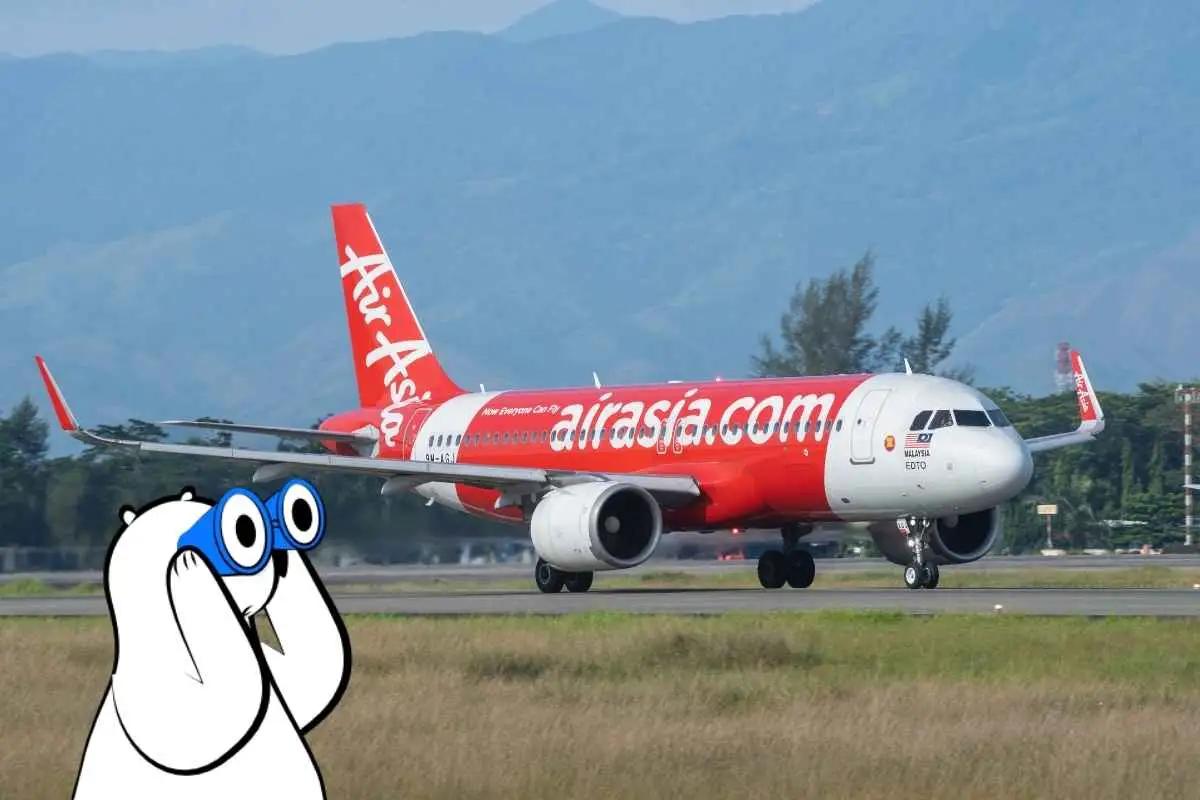
This ranking is based on a thorough evaluation of key aviation safety factors, including each airline’s fatality and serious incident record, fleet age and maintenance standards, international safety audits and certifications, as well as pilot training and overall safety culture. Importantly, being a low-cost airline does not mean lower safety standards. Many budget carriers operate modern aircraft and follow strict safety regulations that are comparable to those of full-service airlines.
1. HK Express – #1 Safest Low-Cost Airline Worldwide
Based in Hong Kong, HK Express consistently tops global rankings for the safest low-cost carriers. Founded in 2004 and now part of the Cathay Pacific Group, it operates short and medium-haul routes across Asia, including Tokyo, Taipei, Manila, and Seoul. Its modern Airbus fleet and strong safety culture make it one of the most trusted budget airlines in the region.
Uniqueness:
- Backed by Cathay Pacific’s operational and safety standards
- Strong focus on East Asia regional routes
- Streamlined operations as a smaller, focused airline
Why people choose HK Express:
- Reliable and punctual schedules
- Transparent pricing with fewer hidden fees
- Easy digital booking and mobile check-in
- Ideal for budget travelers exploring East Asia
2. Jetstar Airways (Australia)
Jetstar Airways is an Australian low-cost airline under the Qantas Group. Since 2004, it has expanded across Australia, New Zealand, and Asia, flying popular leisure routes such as Sydney–Bali and Melbourne–Tokyo.
Uniqueness:
- Supported by Qantas engineering and safety systems
- Offers “Business Lite” seats, this is rare among low-cost airlines
- Strong presence on Australia–Asia vacation routes
Why people choose Jetstar:
- Affordable fares to top holiday destinations
- Option for extra comfort without full-service prices
- Trusted brand under Qantas Group
- Frequent promotional sales
3. Scoot (Singapore)
Scoot is the low-cost arm of Singapore Airlines, operating from Singapore Changi Airport. It serves destinations across Asia and Australia and continues to expand in Southeast Asia.
Uniqueness:
- Safety culture inherited from Singapore Airlines
- Access to one of the world’s best airports (Changi)
- ScootPlus cabin class for added comfort
Why people choose Scoot:
- Budget fares with premium-airline reliability
- Upgrade options with more legroom
- Smooth transit experience via Singapore
- Competitive prices on medium-haul routes
4. flydubai (UAE – Low-Cost with Growing Reach)
Flydubai is based in Dubai and connects passengers to over 100 destinations across the Middle East, Europe, Africa, and Asia. It operates a young Boeing fleet with modern onboard features.
Uniqueness:
- Seat-back entertainment on many aircraft
- Hybrid model blending low-cost pricing with extra comfort
- Wide international network for a budget carrier
Why people choose flydubai:
- More legroom than many low-cost competitors
- Convenient global connections through Dubai
- Comfortable cabin experience for longer routes
- Modern and well-maintained aircraft
5. easyJet Group (UK/Europe)
easyJet is one of Europe’s largest and most established low-cost airlines, operating since 1995. It connects major cities like London, Paris, Barcelona, and Milan.
Uniqueness:
- Operates from major primary airports in Europe
- Attracts both business and leisure travelers
- Flexible fare options compared to many budget airlines
Why people choose easyJet:
- Extensive European route network
- Reliable schedules on busy routes
- Frequent fare sales
- Simple mobile app and online check-in
6. Southwest Airlines (USA)
Southwest Airlines is a leading low-cost carrier in the United States, known for its customer-friendly policies and strong safety record.
Uniqueness:
- Two free checked bags included
- No change fees on most fares
- Open seating policy instead of assigned seats
Why people choose Southwest:
- Excellent value with fewer extra charges
- Friendly and fun onboard service
- Wide domestic network
- Strong reputation for reliability
7. airBaltic (Latvia)
airBaltic is based in Riga and connects Northern and Eastern Europe with major European cities. It operates a modern Airbus A220 fleet.
Uniqueness:
- One of Europe’s youngest fleets (Airbus A220)
- Boutique-style service compared to ultra-low-cost airlines
- Strong regional hub in the Baltics
Why people choose airBaltic:
- Comfortable seats for a budget airline
- Good connections across Europe
- Competitive fares on less-served routes
- Loyalty benefits via Smart Club
8. VietJet Air (Vietnam)
VietJet Air is a fast-growing Vietnamese low-cost airline operating domestic and international routes across Asia.
Get Eskimo eSIM to stay connected globally
Need internet while travelling? Here's what we recommend:

Fixed data plans
- No speed reduction
- No expiry, keep your data forever
- Transfer data to anyone
- Personal hotspot


Uniqueness:
- Extensive domestic network in Vietnam
- Known for ultra-low promotional fares
- Rapid expansion into Northeast Asia
Why people choose VietJet:
- Extremely affordable ticket prices
- Frequent flash sales and deals
- Many daily domestic flight options
- Convenient regional connections
9. Wizz Air Group (Hungary/Europe)
Wizz Air is one of Europe’s fastest-growing ultra-low-cost airlines, focusing on Central and Eastern Europe.
Uniqueness:
- Strong presence in underserved European cities
- Ultra-low-cost business model
- Young and fuel-efficient Airbus fleet
Why people choose Wizz Air:
- Some of Europe’s cheapest base fares
- Direct routes where other airlines don’t operate
- Discount membership program for regular travelers
- Simple no-frills pricing
10. AirAsia Group (Malaysia & Asia)
AirAsia is a pioneer of low-cost travel in Asia and operates a huge network across Southeast Asia and beyond.
Uniqueness:
- One of the first and largest low-cost airlines in Asia
- Multi-country network under the AirAsia Group
- Strong digital booking and add-on system
Why people choose AirAsia:
- Extremely low fares during big sales
- Wide coverage across Asia
- Easy connections via Kuala Lumpur hub
- Well-known and trusted budget airline brand
Tips for Choosing a Low-Cost Airline
• Compare fares and extra fees
Low base fares often don’t include baggage, seat selection, meals, or even airport check-in. Always calculate the total cost before buying.
• Check the airline’s route network
Some budget airlines focus only on short regional routes, while others operate long-haul flights. Make sure the airline actually fits your travel plan.
• Look at aircraft age and fleet type
Airlines with newer aircraft usually offer better fuel efficiency, quieter cabins, and a more comfortable flight experience.
• Review baggage policies carefully
Cabin baggage size limits can be strict. Some airlines charge even for standard carry-on bags, so check dimensions and weight rules in advance.
• Consider airport choices
Many low-cost airlines use secondary airports that may be far from the city center. Avoid cheaper flight but higher transport cost.
• Check punctuality and reliability
A cheap ticket isn’t worth it if the airline frequently delays or cancels flights. Look for airlines known for on-time performance.
• Understand seat and comfort options
Some airlines offer paid upgrades like extra legroom, priority boarding, or quiet zones. These can make a big difference on longer flights.
• Review change and cancellation policies
Low-cost tickets are often non-refundable. If your plans might change, see whether flexible add-ons are available.
• Look at onboard services
Meals, entertainment, and Wi-Fi are usually not included. Decide if you’re okay bringing your own snacks or entertainment for the flight.
• Join membership or discount programs
Frequent travelers can save more through airline membership clubs or promo alerts that give access to exclusive fares.
What You’ll Get in the Cabin on a Low-Cost Airline
• A standard seat
Your ticket includes a regular economy seat. Legroom may be slightly tighter than full-service airlines, but it’s comfortable enough for short and medium flights.
• One small personal item
Most low-cost airlines allow a small bag (like a backpack or handbag) that fits under the seat in front of you, free of charge.
• Safe and modern aircraft
Despite the low price, these airlines operate well-maintained aircraft that meet international safety standards.
• Buy-on-board food and drinks
Meals are usually not included, but you can purchase snacks, drinks, and sometimes hot meals during the flight.
• Cabin crew assistance
Friendly cabin crew are always available for safety briefings, service, and passenger assistance just like on any other airline.
• Paid seat selection (optional)
If you don’t pay to choose your seat, it will be assigned automatically at check-in. You can upgrade for extra legroom or preferred seats.
• Overhead cabin baggage (sometimes paid)
Some airlines include a cabin suitcase, while others charge extra. Always check baggage rules before your flight.
• Wi-Fi (usually paid add-on)
Some low-cost airlines now offer onboard Wi-Fi for an extra fee. Speeds and coverage may vary, and it’s often best for messaging rather than heavy streaming. While onboard Wi-Fi can help during the flight, you’ll still need mobile data once you land, and international roaming can be very expensive.
That’s why a lot of travelers use Eskimo eSIM. Just install it before your trip and you’re connected the moment your plane touches down. They’re even offering a free trial with 500MB of global data you can use in 109 countries, which is perfect for getting online right away.
• Paid entertainment or none at all
Many low-cost airlines do not provide seat-back screens. Bringing your own device with downloaded movies or shows is a smart idea.
• Clean and simple cabin interiors
Low-cost carriers focus on efficiency, so cabins are usually modern but simple, without luxury extras.
• Optional add-ons for comfort
Extras like priority boarding, extra baggage, meals, and travel insurance can be added during booking.
FAQs
Are low-cost airlines good for long-haul flights?
Some low-cost airlines now operate medium and long-haul routes, but comfort levels can vary. For longer flights, consider purchasing add-ons like extra legroom, meals, or priority boarding to improve your experience.
When is the best time to book low-cost airline tickets?
Budget airlines often release their cheapest fares months in advance or during major promotional sales. Booking early and being flexible with your travel dates can help you find the lowest prices.
Do low-cost airlines fly to major airports or smaller ones?
It depends on the airline and city. Some use major international airports, while others operate from secondary airports that may be farther from the city center. Always check airport location before booking.
Can I travel with kids on a low-cost airline?
Yes, families can absolutely fly with low-cost carriers. However, services like seat selection, early boarding, and checked baggage may cost extra, so planning ahead is important when traveling with children.
Are low-cost airline tickets refundable?
Most basic low-cost tickets are non-refundable. If you think your plans might change, look for flexible fare options or add-ons that allow changes with lower fees.