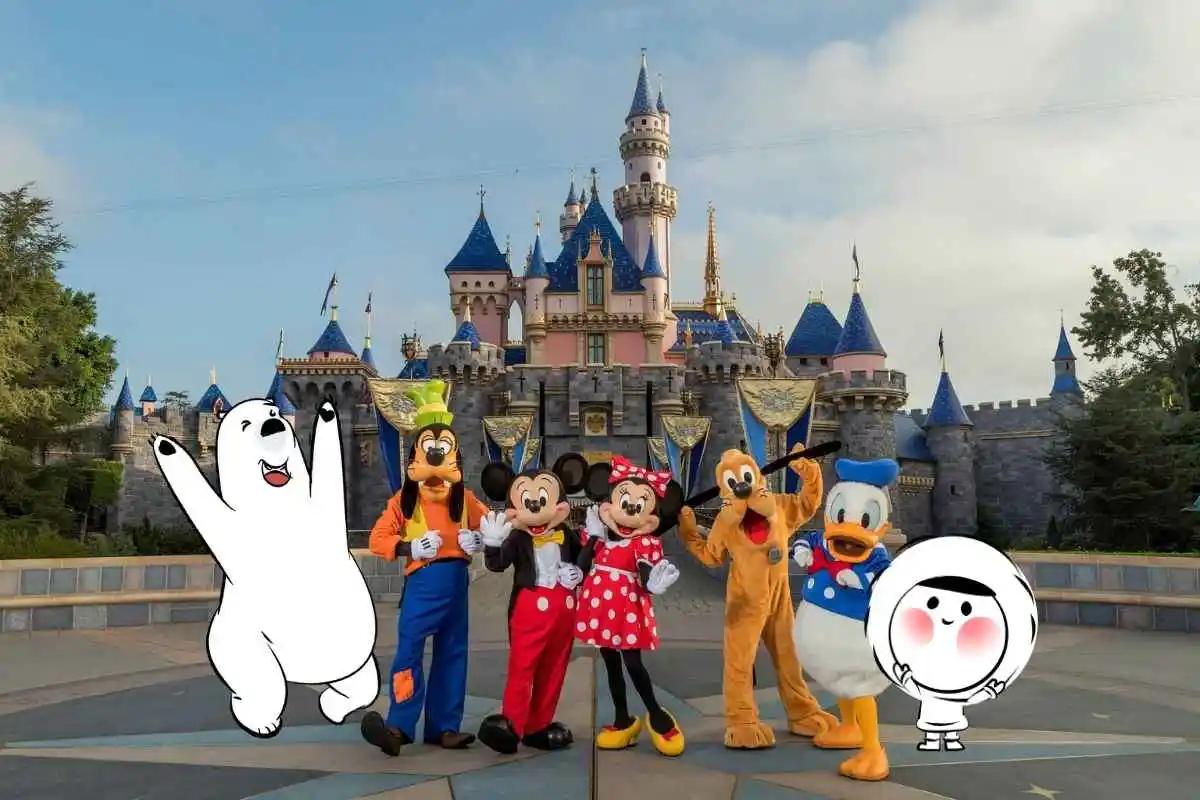
Thailand is exploring plans to build the first Disneyland-style theme park in Southeast Asia, a bold project that could reshape the country’s tourism landscape and attract new types of travelers. If approved and built, this mega-attraction would not only mark a historic milestone in the region’s tourism history but could also usher in shifts in how people travel to, stay in, and experience Thailand.
From Idea to Economic Strategy
The concept of bringing a Disneyland to Thailand has gained traction not merely as a headline-grabbing idea but as part of Bangkok’s broader economic diplomacy and tourism strategy. Deputy Prime Minister and Transport Minister Phiphat Ratchakitprakarn, who also chairs the Eastern Economic Corridor (EEC) policy board, has repeatedly stated that the plan is not a fanciful dream but a genuine possibility.
Thailand’s tourism sector, which accounts for a significant portion of GDP, experienced a dip in foreign arrivals in 2025 after years of steady growth. Analysts see this slowdown as a key reason Thailand is exploring high-impact, globally recognizable attractions like Disneyland to stimulate demand and reposition itself as a must-visit destination for long-haul and regional travelers alike.
Where Could Disneyland Be Located?
The likely location for the proposed park is Thailand’s Eastern Economic Corridor (EEC), a major development zone covering parts of Chonburi, Chachoengsao, Rayong, and Chanthaburi provinces. This region is already undergoing rapid transformation, supported by large-scale infrastructure projects such as high-speed rail links, motorway expansions, upgraded airports like U-Tapao, and improved port facilities.
These upgrades are designed to strengthen connections between Bangkok, Pattaya, Rayong, and international gateways, making the EEC a strategic choice for a global theme park destination. Early feasibility discussions reported in Thai media mention land areas ranging from around 960 to 3,000 rai (approximately 1,536,000 to 4,800,000 square meters), with potential for further expansion. This suggests the project could become not just a theme park, but a massive integrated entertainment resort.
Current proposals envision Disneyland as part of a broader “Entertainment & Lifestyle Hub” that could include concert venues, a large sports stadium, performance arenas, hotels, and retail complexes. This would help the destination attract visitors year-round, not only during school holidays.
Progress and Negotiations with Disney
As of now, Thailand has not yet signed a final agreement with The Walt Disney Company. The project remains in the feasibility and negotiation phase. Officials are reportedly exploring different cooperation models, including direct Disney investment or a licensing arrangement similar to other international Disney parks.
Government representatives continue to highlight Thailand’s tourism experience, strong hospitality sector, and improving transport networks as key advantages that make the country an attractive host for a Disney resort. Still, large-scale projects like this require years of planning, environmental studies, and financial structuring before construction could begin.
Thailand’s People Reaction
Public reaction within Thailand has been mixed but engaged. Many Thais view the idea as a symbol of ambition and global relevance, something that could elevate the country’s tourism status well beyond beaches and cultural tours. Supporters say the park could create hundreds of thousands of jobs, spark growth for surrounding small businesses, and help diversify Thailand’s tourism offerings.
Local entrepreneurs and service providers in hospitality, transport, and retail are particularly optimistic, hoping that increased international footfall could translate to sustained demand for their services.
At the same time, there are practical concerns. Some citizens question the long timeline and high investment required, and environmental groups have raised issues about land use and ecological impact, especially in areas that may be near coastal zones. The government has responded by promoting careful feasibility studies and public-private partnership (PPP) models to mitigate risk and ensure balanced development.
International Tourist Reaction
International tourists and travel industry stakeholders are paying close attention. Families and theme park enthusiasts (particularly from nearby ASEAN nations) have reacted positively, excited at the prospect of a Disneyland destination much closer to home compared to existing parks in Japan, Hong Kong, and China.
Travel experts predict this could boost multi-destination travel within Thailand, as families might combine resort and culture travel with theme park experiences, potentially extending stays and increasing average tourist spending.
What Makes This Project Special
If realized, this would be the first Disneyland-style theme park in Southeast Asia and could become the fifth Disneyland destination in Asia after Tokyo, Tokyo DisneySea, Hong Kong, and Shanghai parks.
Unlike existing theme parks in Thailand (such as private parks like Dream World or water-oriented attractions) this proposed Disneyland would bring a globally recognized brand with mass appeal, potentially turning Thailand into a regional entertainment hub. It’s not merely about rides and attractions, but about creating a year-round draw for diverse visitors, from families with children to international thrill-seekers.
Get Eskimo eSIM to stay connected in Thailand
Need internet in Thailand? Here's what we recommend:

Fixed data plans
- No speed reduction
- No expiry, keep your data forever
- Transfer data to anyone
- Personal hotspot
Unlimited data plans
- Unlimited day pass
- Daily 3GB high-speed + 1Mbps unlimited after
- Personal hotspot
How It Could Change Tourist Behaviour
A Disneyland park in Thailand would likely influence tourist behavior in several key ways:
- More family-oriented trips: Families may plan holidays centered around the theme park, particularly from countries where Disneyland is too far or expensive to visit regularly.
- Longer stays: Tourists could extend their itineraries to include other parts of Thailand like beaches, islands, cultural heritage sites alongside park visits.
- Higher spending: Disney parks often attract higher spending from visitors interested in immersive experiences, exclusive merchandise, and premium hospitality services.
- Regional shifts: With Southeast Asia’s first Disneyland, Thailand could draw tourists who might otherwise travel to theme parks in Japan or China.
What Will Not Change in Tourist Behaviour
Despite these shifts, some aspects of tourist behaviour are unlikely to change:
- Backpacker and budget travel trends will still thrive, as many tourists visit Thailand for affordable experiences, food, and natural attractions, sectors that appeal independently of a Disneyland park.
- Cultural and heritage travel. Many visitors come specifically for temples, historical sites, and cultural festivals, which remain distinct from commercial entertainment preferences.
- Domestic travel patterns. Thai local tourists will still explore traditional destinations and nearby retreat cities outside the Disneyland influence.
- Internet connection. Nothing will change in travelers’ need for internet access, which is now rapidly shifting from physical SIM cards to eSIMs. More travelers are using eSIMs when visiting Thailand, and with Eskimo eSIM, you can get a free 500MB global data trial plan to use in Thailand.
FAQs
Would this park be an exact copy of other Disneyland parks?
No Disneyland park is identical. Each one usually includes attractions, themes, and designs that reflect local culture and geography, so a Thailand version would likely have unique elements.
Could the project encourage more international events in Thailand?
Yes. With large entertainment and lifestyle facilities planned alongside the park, Thailand could attract concerts, global exhibitions, and sports events linked to the resort area.
Would this development mainly target foreign tourists or locals too?
While international visitors are a key focus, large theme parks also rely heavily on domestic tourism, annual pass holders, and repeat regional visitors.
How could nearby cities benefit from the project?
Cities surrounding the development area could see growth in hotels, restaurants, transport services, shopping centers, and other tourism-related businesses.
Could this project make Thailand more competitive with other Asian destinations?
Yes. A globally recognized attraction could strengthen Thailand’s position against destinations like Japan, South Korea, and Singapore in the family and entertainment travel market.