Disclaimer: Public holiday information is based on Austria’s federal holiday calendar. Visit official Austrian government sources for updates.
Austria’s public holidays reflect centuries of tradition shaped by Catholic roots, mountain culture, and seasonal celebrations that define the country’s rhythm. Understanding these holidays in 2026 helps travelers plan around closures, crowds, and Austria’s most memorable cultural moments.
Austria Public Holidays 2026
These holidays influence shop hours, transport services, and regional events across Austria.
| HOLIDAY | DATE | DAY |
| Neujahr (New Year’s Day) | 1 January | Thursday |
| Heilige Drei Könige (Epiphany) | 6 January | Tuesday |
| Ostermontag (Easter Monday) | 6 April | Monday |
| Staatsfeiertag (Labour Day / State Holiday) | 1 May | Friday |
| Christi Himmelfahrt (Ascension Day) | 14 May | Thursday |
| Pfingstmontag (Whit Monday) | 25 May | Monday |
| Fronleichnam (Corpus Christi) | 4 June | Thursday |
| Mariä Himmelfahrt (Assumption Day) | 15 August | Saturday |
| Nationalfeiertag (National Day) | 26 October | Monday |
| Allerheiligen (All Saints’ Day) | 1 November | Sunday |
| Mariä Empfängnis (Immaculate Conception) | 8 December | Tuesday |
| Christtag (Christmas Day) | 25 December | Friday |
| Stefanitag (St Stephen’s Day) | 26 December | Saturday |
How public holidays affect travel
Public holidays often bring reduced opening hours, quieter city streets, and busy travel days around major festivals. Visitors should plan ahead, especially during Austria’s biggest cultural celebrations.
Easter in Austria (Ostern)
Austria celebrates Easter with markets, decorated eggs, and long-standing traditions that reflect the country’s Catholic heritage. Many visitors search for Ostern 2026 dates, and Easter Monday is the nationwide public holiday that affects closures.
Ascension Day (Christi Himmelfahrt)
Ascension Day is widely observed and often used to create a long weekend. Travel increases significantly as locals head into early summer destinations like the Salzkammergut.
Pentecost (Pfingsten)
Whit Sunday and Whit Monday mark an important part of Austria’s spring-summer transition. These days often encourage outdoor travel, lakeside visits, and the first hikes of the season.
Corpus Christi (Fronleichnam)
Fronleichnam is one of Austria’s most symbolic Catholic holidays, featuring outdoor processions, choir music, and floral decorations. Understanding its significance helps travelers anticipate closures and experience one of Austria’s most traditional observances.
National Day (Nationalfeiertag)
Austria celebrates Nationalfeiertag on 26 October with events, museum activities, and ceremonies across Vienna. The day marks a major national moment and creates a popular long weekend for autumn travel.
Christmas season and Advent
Austria transforms during Advent with Christmas markets, lantern-lit streets, and seasonal treats like roasted chestnuts. Vienna and Salzburg host some of Europe’s most visited Christmas markets, shaping winter travel patterns.
Fasching and Krampus
Austria’s festive cycle includes Fasching parades, ornate masks, and lively street events in February. Krampus traditions in Alpine regions attract curious travelers each December and add a dramatic edge to the winter season.
Seasonal Travel Guide
Winter
Winter brings skiing in Tyrol and Vorarlberg, Christmas markets in Vienna and Salzburg, and unique traditions like Krampus runs. This is one of Austria’s busiest seasons, especially in mountain regions.
Spring
Spring introduces mild weather, Easter markets, and the first opportunities for outdoor adventures. Closures on Easter Monday are common and should be factored into travel plans.
Summer
Summer unfolds with clear lakes, open-air events, and Alpine hiking routes. Long weekends around Ascension and Pentecost often lead to increased travel across the country.
Autumn
Autumn brings golden mountain landscapes, wine harvest festivals, and cooler hiking temperatures. Nationalfeiertag falls during peak foliage season and draws both locals and visitors into cities and rural regions.
Long weekends in 2026
May long weekends
Ascension on 14 May and Whit Monday on 25 May create extended breaks. These weekends are ideal for trips into the Salzkammergut and Alpine areas.
National Day weekend
26 October creates a popular three-day weekend for city visits and cultural events. Vienna often sees higher visitor numbers during this period.
Christmas weekend
Christmas and St Stephen’s Day fall on Friday and Saturday in 2026. Winter resorts fill quickly during this long holiday period.
Get Eskimo eSIM to stay connected in Austria
Need internet in Austria? Here's what we recommend:

Fixed data plans
- No speed reduction
- No expiry, keep your data forever
- Transfer data to anyone
- Personal hotspot
Unlimited data plans
- Unlimited day pass
- Daily 3GB high-speed + 1Mbps unlimited after
- Personal hotspot
What’s open on public holidays
Austria observes many religious holidays, and opening hours vary depending on the region and the type of business. Most supermarkets and retail shops close on public holidays, especially during Easter, Christmas, and the major Catholic feast days.
Typically closed on public holidays:
- Supermarkets such as Billa, Spar, and Hofer
- Shopping malls and retail stores
- Smaller pharmacies (Apotheken)
- Local services like hairdressers, post offices, and banks
Often open with adjusted hours:
- Restaurants and cafés, especially in city centers
- Major museums and attractions such as Schönbrunn Palace or Kunsthistorisches Museum
- Ski resorts and cable cars during winter
- Tourist-focused shops in Vienna’s old town
Always check ahead during these periods:
- Easter weekend
- Christmas Eve through St Stephen’s Day
- Fronleichnam and other Catholic feast days
Travelers benefit from confirming opening hours a day in advance, as holiday schedules may vary between regions and individual businesses.
Special days (not official nationwide public holidays)
Some dates are not federal public holidays but still shape Austria’s cultural calendar, creating busy travel periods and unique local experiences. These events influence regional schedules and can be some of the most memorable moments for visitors.
Karfreitag (Good Friday)
While not a nationwide holiday, it is a solemn Christian observance with limited events and reduced hours in some areas. Shops may remain open, but the atmosphere is quieter, and many families observe traditions at home.
Faschingdienstag (Shrove Tuesday)
The final day of Fasching brings colourful parades, costumes, and street celebrations. Vienna, Graz, and smaller towns host lively events that attract both locals and visitors.
Krampusnacht (5 December)
Alpine regions come alive with Krampus runs, where performers in wooden masks and fur costumes fill the streets. This dramatic tradition draws travelers into mountain towns for one of Austria’s most distinctive winter experiences.
These cultural days may not close businesses nationwide, but they significantly shape the travel atmosphere and offer insights into Austria’s seasonal traditions.
Practical travel tips
Austria’s holiday rhythm influences transportation, shopping hours, and seasonal crowds. Planning around these patterns helps ensure a smooth and enjoyable trip.
Useful tips for navigating public holidays:
- Shop for groceries at least one day before major holidays
- Expect reduced Sunday-style schedules on trains during Easter, Christmas, and Pentecost
- Book accommodation early for peak seasons such as Christmas markets, Easter, and ski holidays
- Carry some snacks or water when traveling on holiday mornings, as many cafés open later
- Use digital timetables when moving between cities or ski regions
- Visit museums during long weekends, as they often extend or adjust hours
If traveling during Advent, arrive early at Christmas markets to avoid crowds and enjoy quieter moments before the evening rush.
Staying connected across Austria and beyond
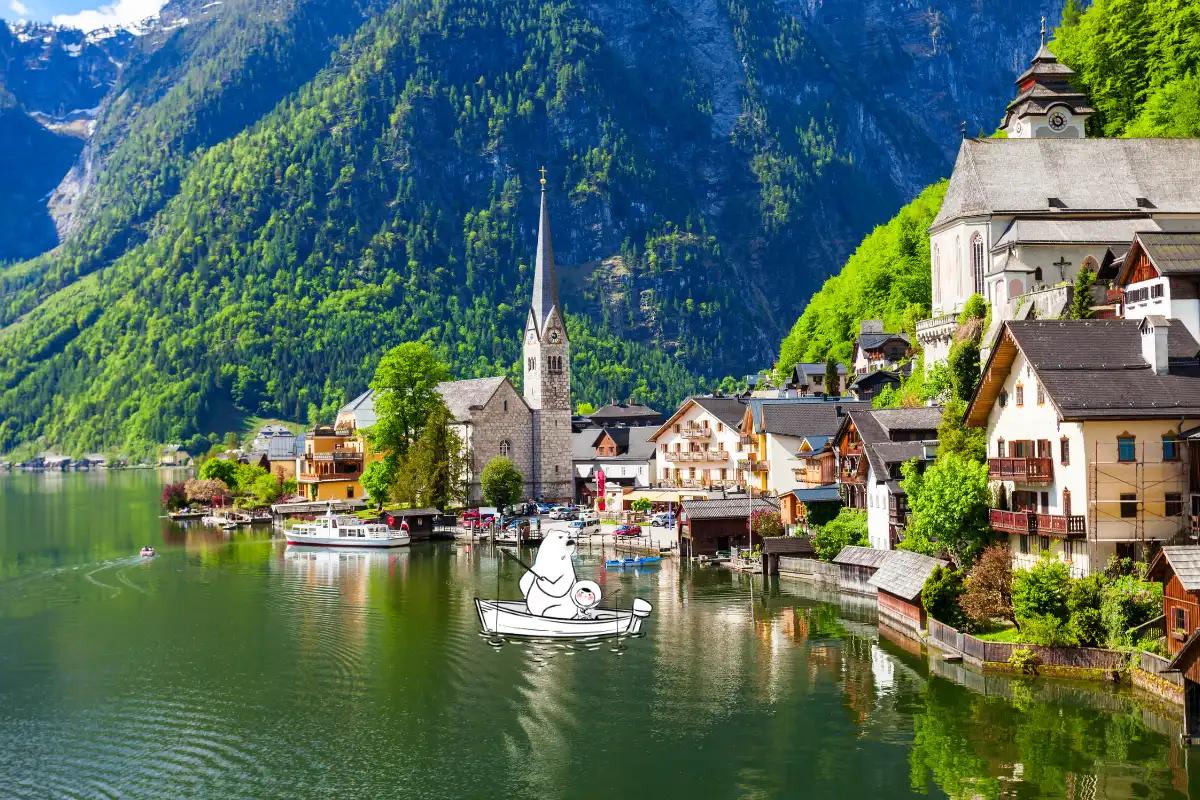
Austria invites travelers into a mix of historic cities, mountain valleys, and lakeside villages, and each region offers its own rhythm. Moving from Vienna’s Christmas markets to the slopes of Tyrol or the calm water of the Salzkammergut becomes easier when your connection follows you without interruption. An Eskimo Austria eSIM gives travelers a steady connection from the moment they arrive, whether they are navigating old town streets or checking train routes through the Alps. Unused data rolls over with each top-up, and data can be shared with companions during the trip. Travelers trying Eskimo for the first time can explore Austria with 500 MB of free global eSIM before choosing a plan. Europe and Global eSIM options allow seamless travel to Germany, Switzerland, Italy, and nearby regions.
FAQs
When is Easter in Austria in 2026?
Easter Monday is on 6 April. Holiday closures often extend through the Easter weekend.
Is Krampus part of Austria’s holiday season?
Yes, Krampus events take place in early December. These parades attract visitors to Alpine towns each winter.
Do shops open on Nationalfeiertag?
Most supermarkets and shops close. Museums and cultural sites often operate with modified hours.
What is Fronleichnam?
It is the Catholic feast of Corpus Christi. Many towns host processions, and closures are common during the day.
When is the best time to visit Austria?
It depends on the traveler. Winter is ideal for skiing, while summer and autumn offer scenic outdoor travel.