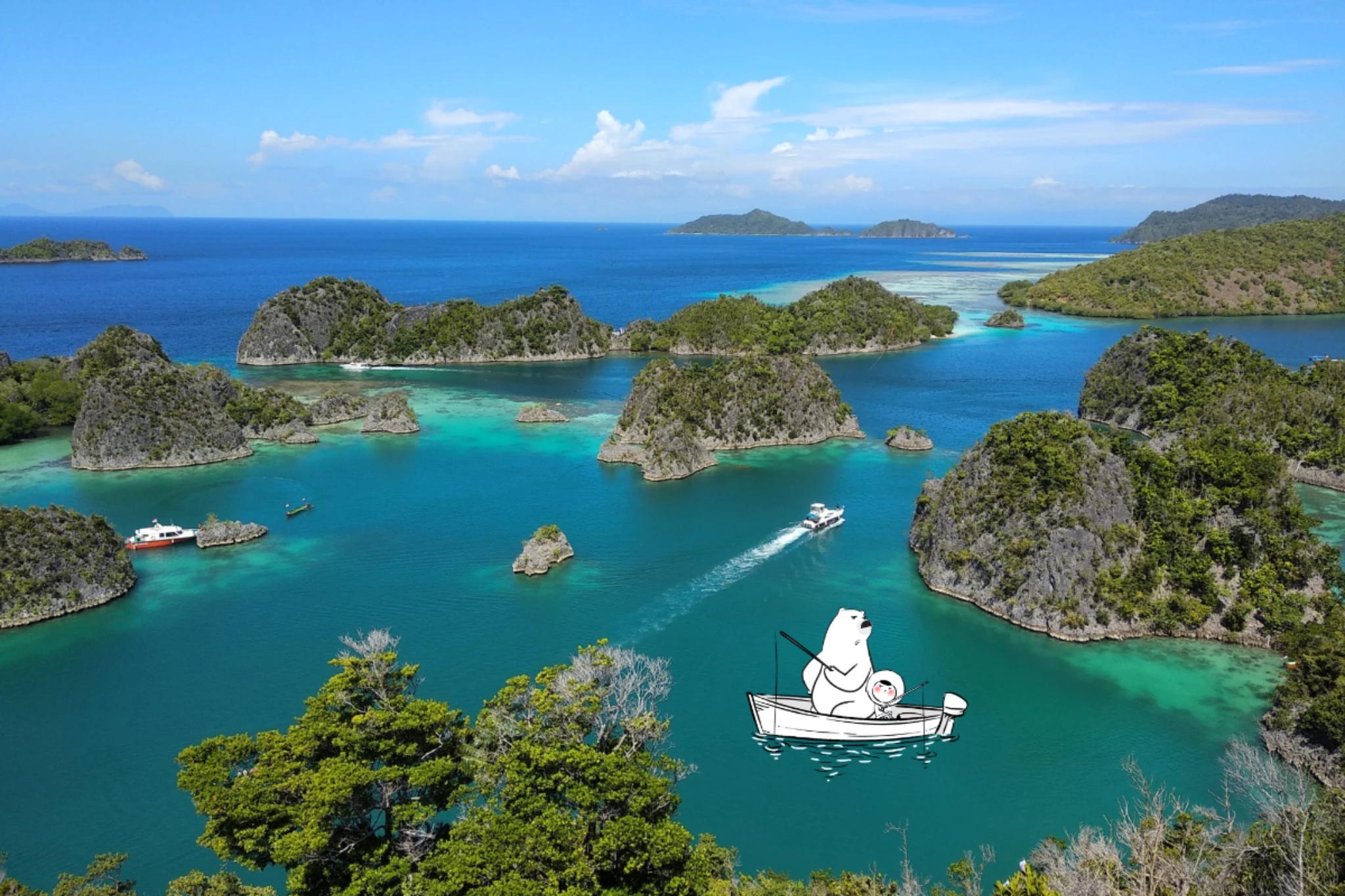
Best Diving Spots in Indonesia
Disclaimer: Travel conditions and marine park regulations in Indonesia may change. Always refer to official tourism and national park websites for the latest updates.
Indonesia is one of the world’s most rewarding scuba diving destinations. Sitting at the heart of the Coral Triangle, the country offers extraordinary marine biodiversity, dramatic underwater landscapes, and dive sites suited to every experience level. From remote coral gardens to fast-moving channels filled with pelagic life, diving in Indonesia is as varied as the islands themselves.
Below are the standout diving destinations across the archipelago, each offering something distinct beneath the surface.
Raja Ampat
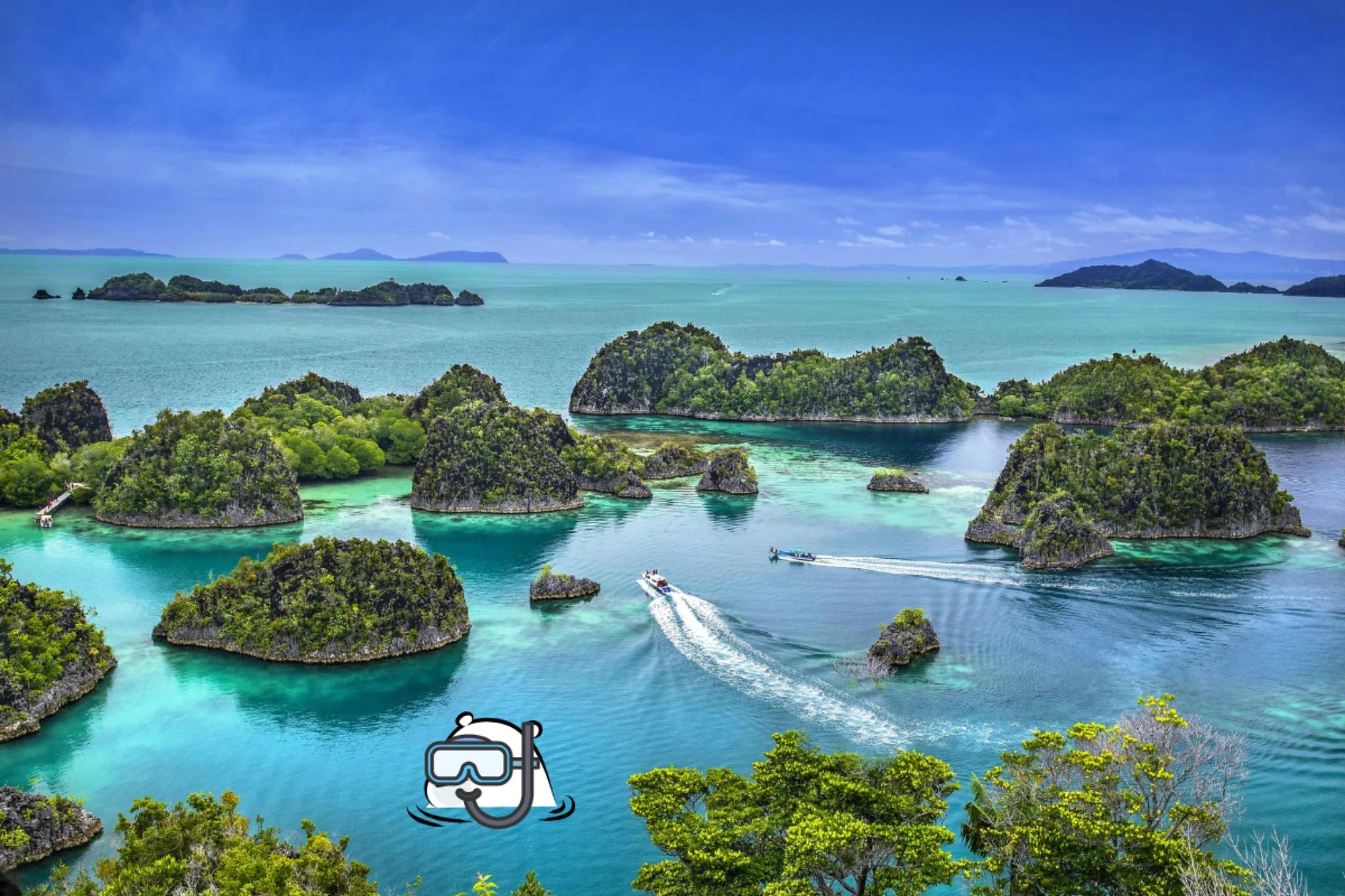
Raja Ampat is widely regarded as Indonesia’s premier diving destination. Located in West Papua, this remote archipelago lies at the center of the Coral Triangle and holds the highest recorded marine biodiversity on Earth. Coral reefs here are dense and vibrant, supporting manta rays, reef sharks, and enormous schools of fish across shallow reefs and deep channels.
Because many dive sites are far from populated islands, Raja Ampat diving liveaboard trips are a common choice, offering access to untouched reefs and rarely visited locations.
Best known for: The highest marine biodiversity on the planet
Best time to dive: October to April
Location: Raja Ampat
Komodo National Park
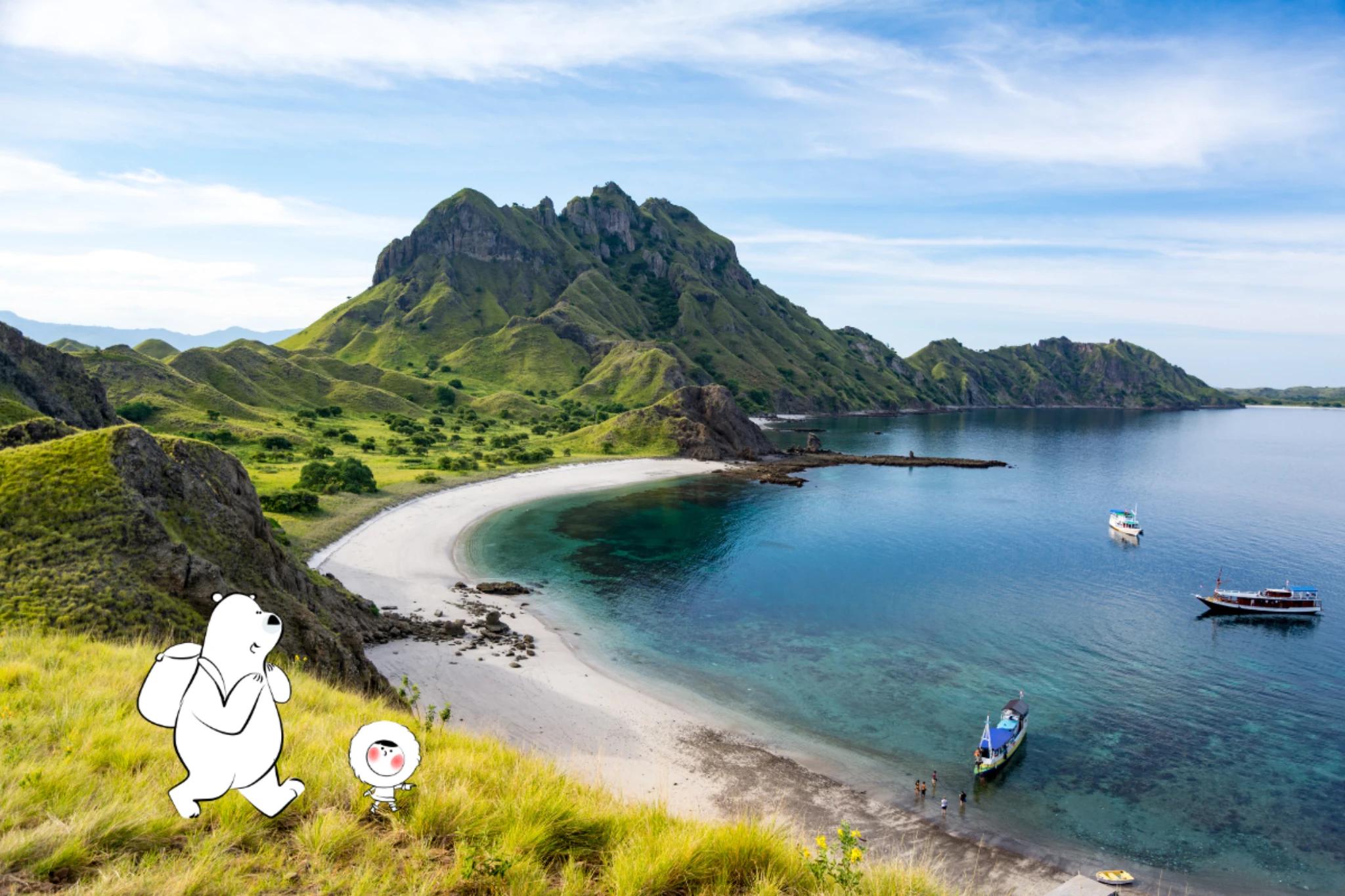
Komodo National Park delivers some of the most intense and exhilarating diving in Indonesia. Strong tidal currents move through narrow channels and seamounts, creating nutrient-rich conditions that attract manta rays, sharks, and other large pelagic species.
Komodo National Park diving is best suited to confident divers who enjoy fast drift dives and constantly changing conditions. On land, the park is famous for the Komodo dragon habitat, making it one of the few places where world-class diving and iconic wildlife coexist.
Best known for: Powerful drift dives and manta ray encounters
Best time to dive: April to November
Location: Komodo National Park
Alor
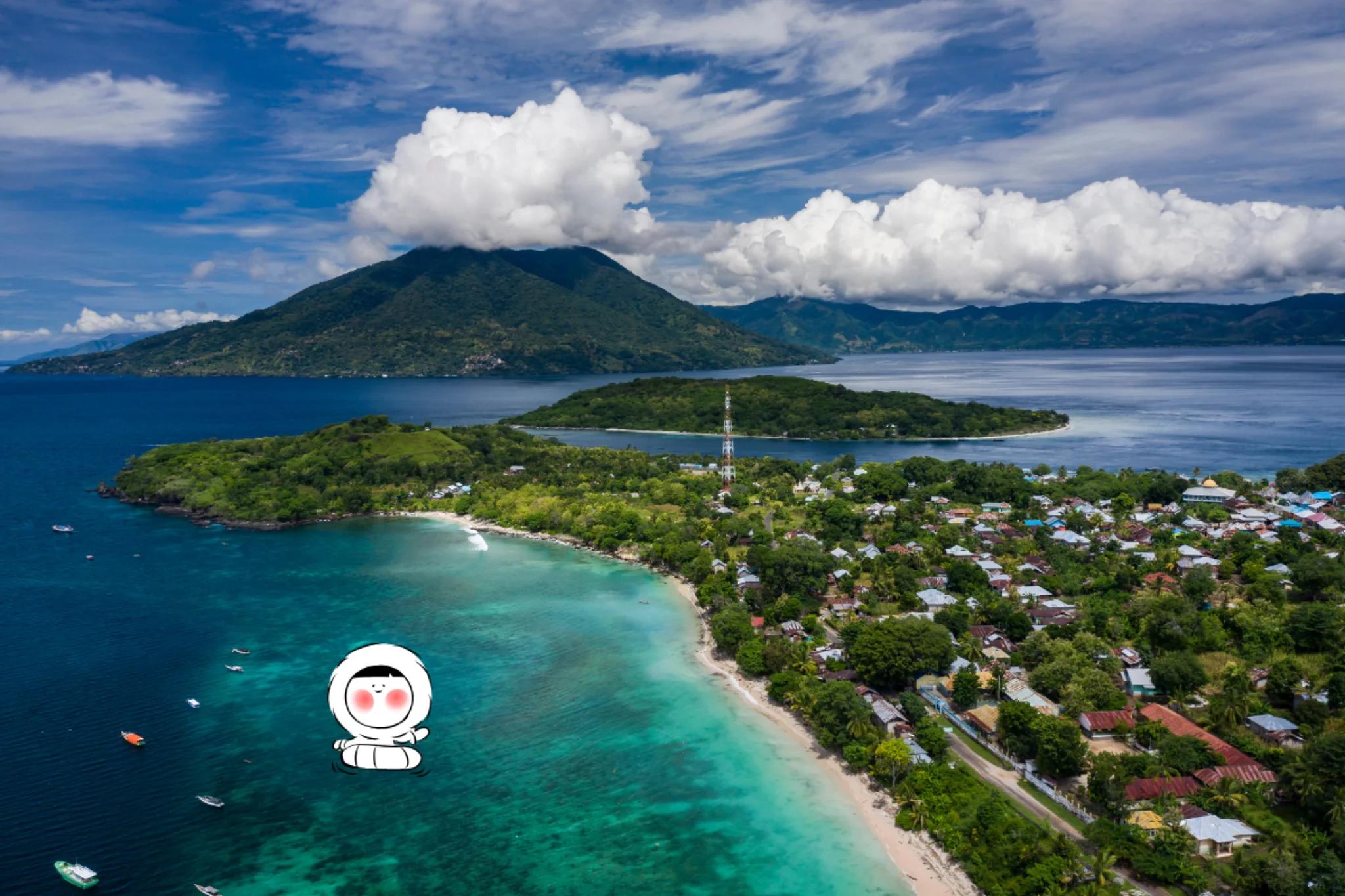
Alor remains one of Indonesia’s most under-the-radar diving destinations. Located in East Nusa Tenggara, Alor diving features volcanic underwater landscapes, steep slopes, and exceptionally clear water shaped by strong currents.
These currents bring nutrients that support healthy reefs and abundant marine life, including reef sharks, pygmy seahorses, and large schools of fish. Alor appeals to divers looking for raw, uncrowded dive sites far from mainstream routes.
Best known for: Remote diving and volcanic underwater scenery
Best time to dive: April to November
Location: Alor
Wakatobi
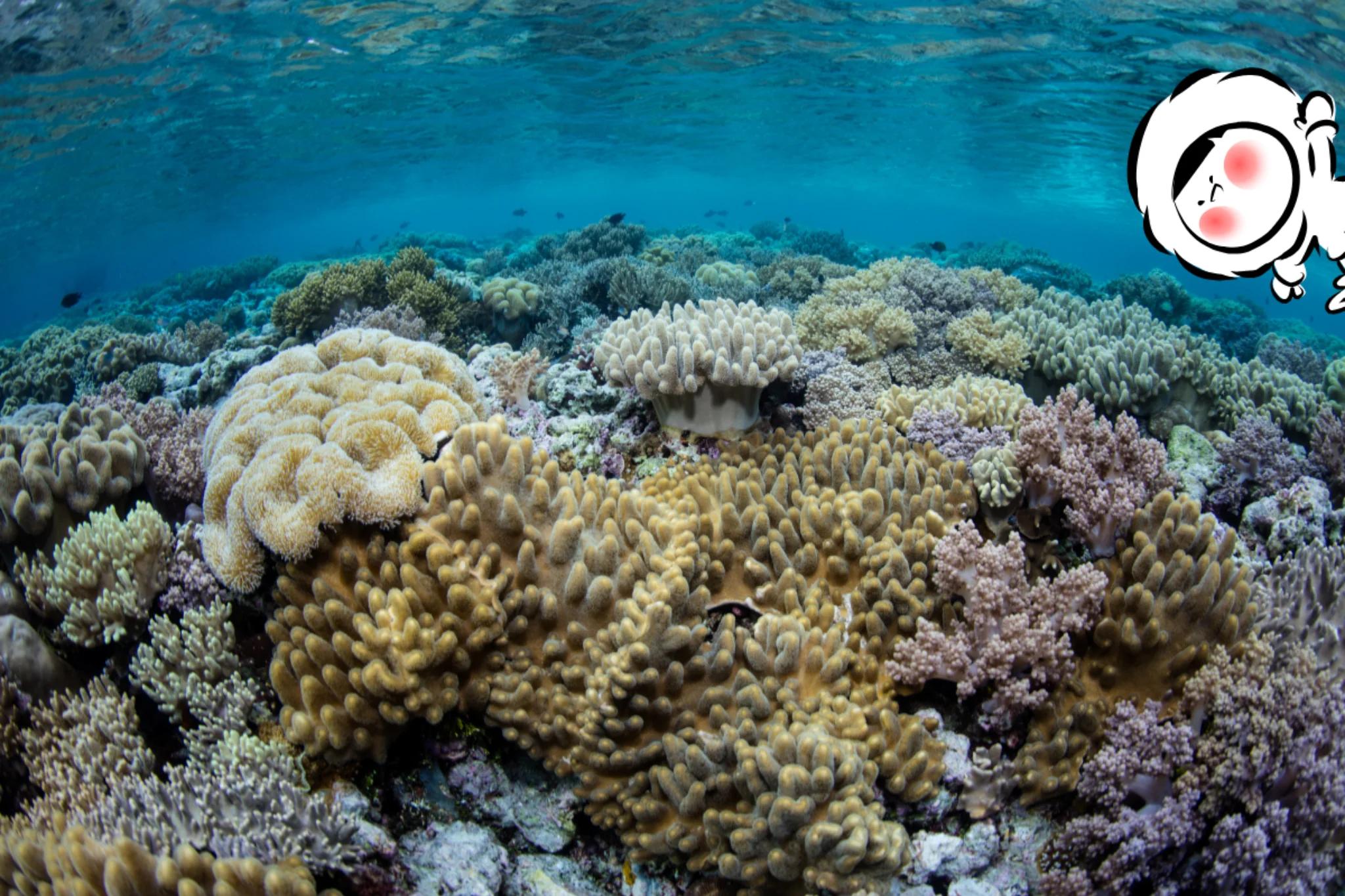
Wakatobi is known for its calm conditions and remarkably well-preserved coral reefs. Home to one of the largest barrier reef systems in the world, the region offers colorful coral gardens, excellent visibility, and minimal current.
Staying at a Wakatobi dive resort provides access to protected reefs managed through conservation-focused practices. The combination of reef quality and easy conditions makes Wakatobi a favorite for relaxed reef diving and underwater photography.
Best known for: Pristine coral reefs and excellent visibility
Best time to dive: April to November
Location: Wakatobi
Bunaken National Park
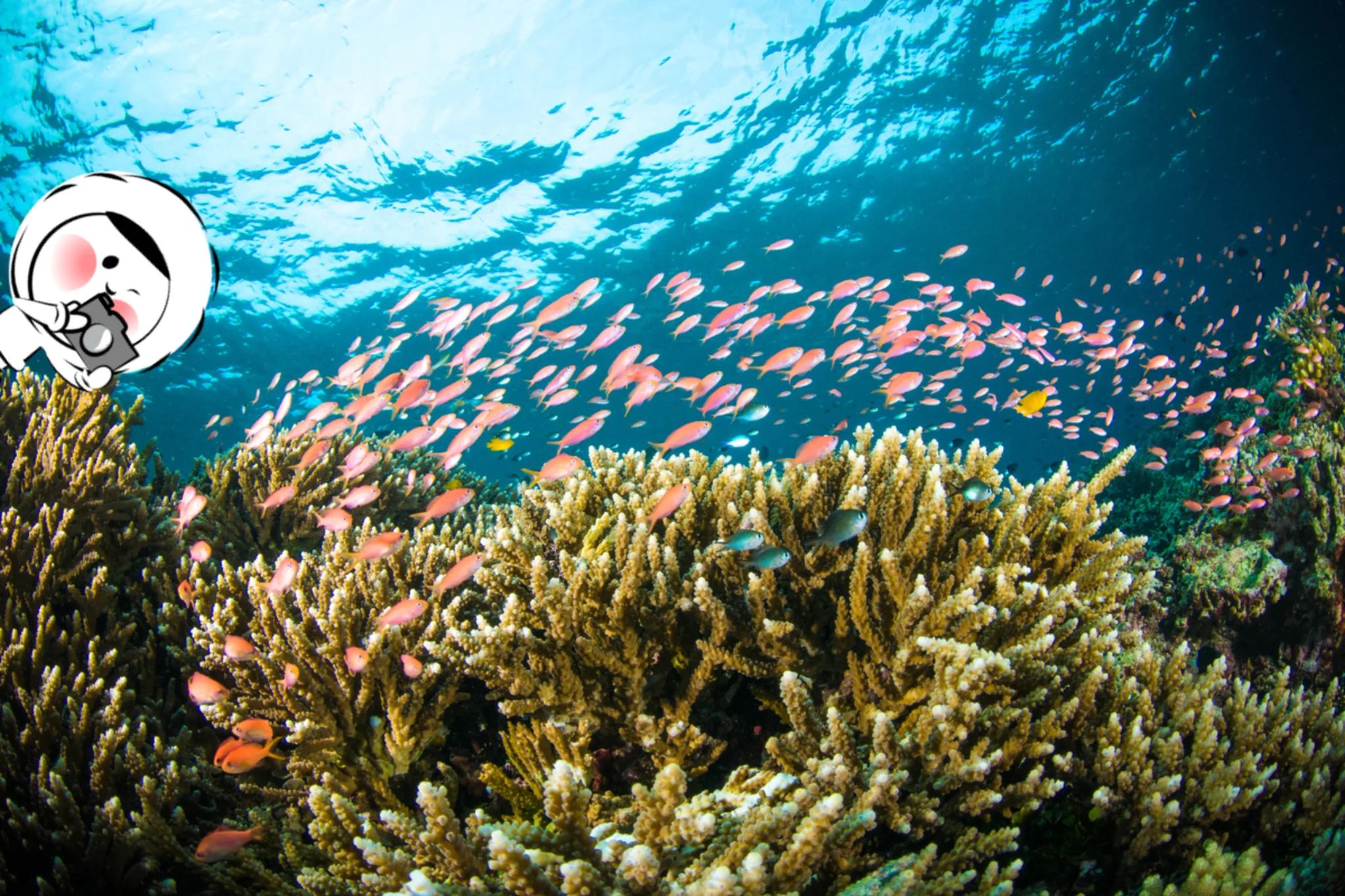
Bunaken National Park, located in North Sulawesi, is famous for dramatic wall dives that drop straight into deep blue water. These vertical walls are covered with soft corals, sponges, and dense reef fish populations.
Bunaken diving generally offers calm conditions, making it accessible to beginners while still rewarding for experienced divers who enjoy slow, scenic dives along steep reef faces.
Best known for: Steep wall dives and clear visibility
Best time to dive: April to November
Location: Bunaken National Park
Get Eskimo eSIM to stay connected in Indonesia
Need internet in Indonesia? Here's what we recommend:

Fixed data plans
- No speed reduction
- No expiry, keep your data forever
- Transfer data to anyone
- Personal hotspot



Unlimited data plans
- Unlimited day pass
- Daily 3GB high-speed + 1Mbps unlimited after
- Personal hotspot

Nusa Penida and the Bali Region
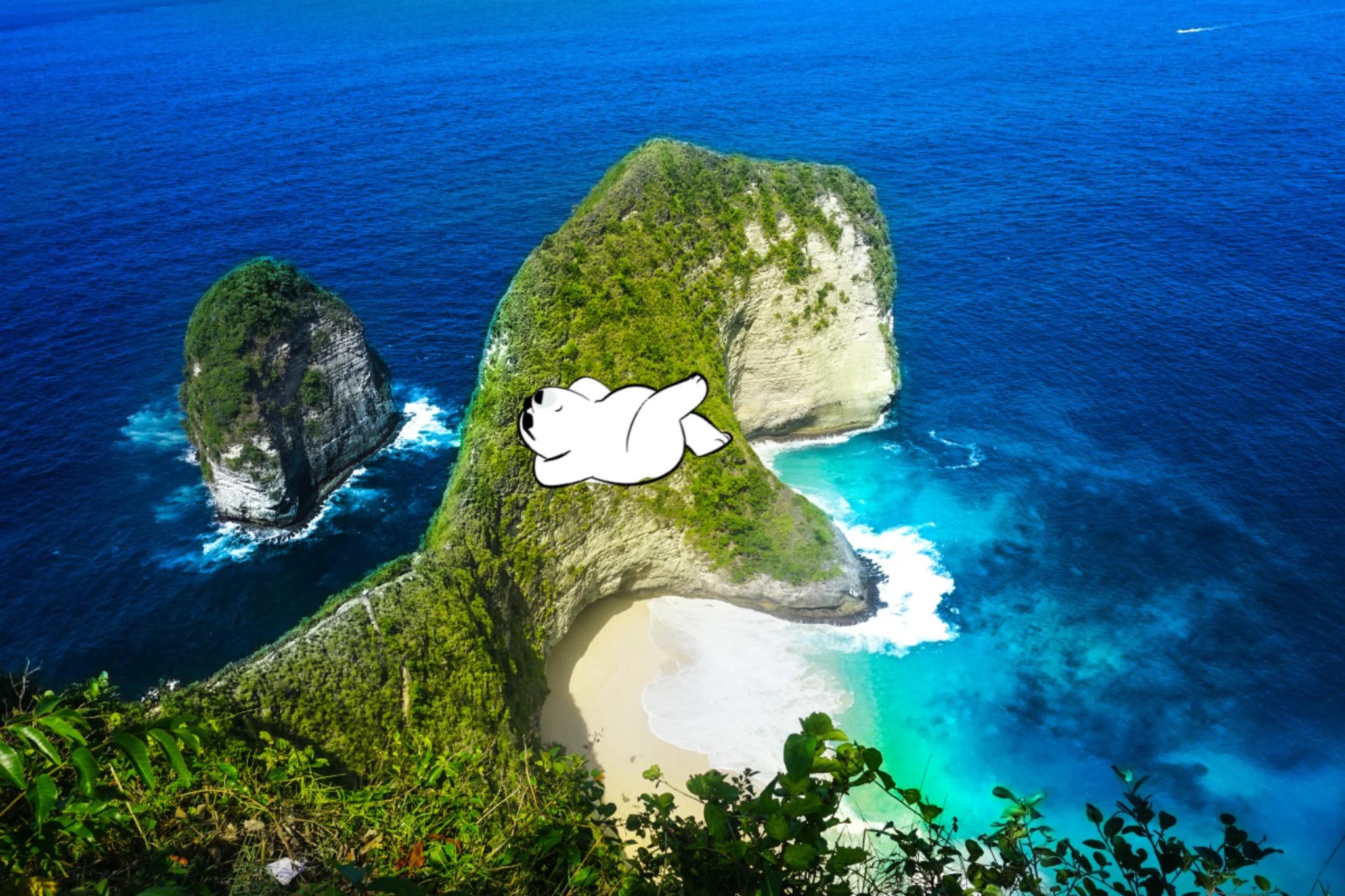
Nusa Penida diving is best known for manta ray encounters and seasonal mola mola sightings. Located just off the coast of Bali, the area combines easy access with rewarding marine life.
While some sites experience strong currents, professional dive operators provide guided dives suited to different experience levels. Nusa Penida works well for divers who want memorable encounters without traveling far from Bali.
Best known for: Manta rays and mola mola sightings
Best time to dive: July to October
Location: Nusa Penida
Banda Sea and Ambon
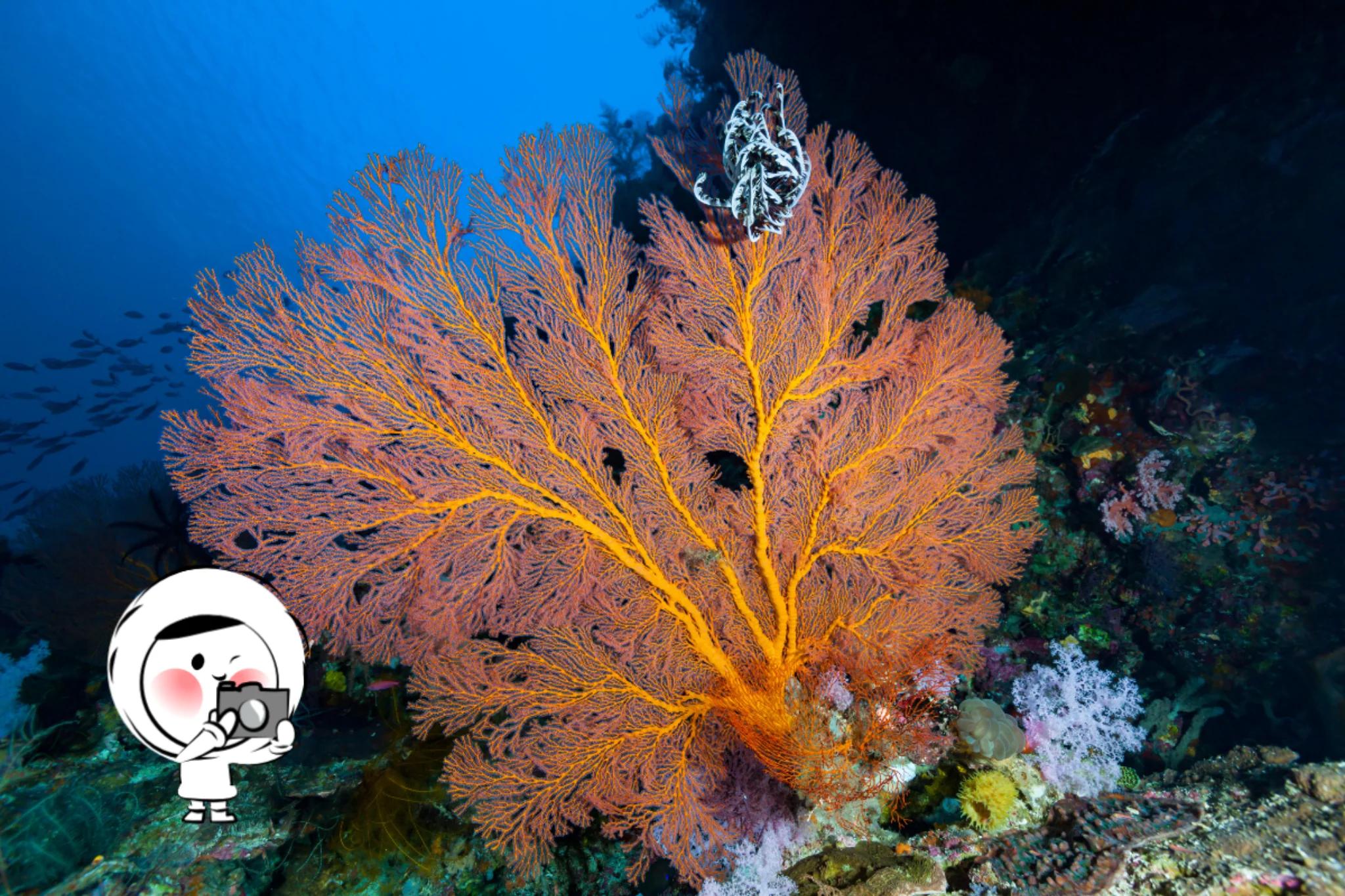
The Banda Sea is one of Indonesia’s most remote diving regions and is typically explored by liveaboard. Banda Sea diving offers deep reefs, dramatic underwater terrain, and seasonal hammerhead shark sightings, making it a destination for experienced divers.
Ambon diving, by contrast, is globally recognized for muck diving. Dark sand slopes hide rare macro species such as frogfish, rhinopias, and nudibranchs, attracting underwater photographers from around the world.
Best known for (Banda Sea): Remote reefs and hammerhead sharks
Best known for (Ambon): World-class muck diving
Best time to dive (Banda Sea): September to November
Best time to dive (Ambon): September to April
Locations: Banda Sea and Ambon Island
Gili Islands and Flores
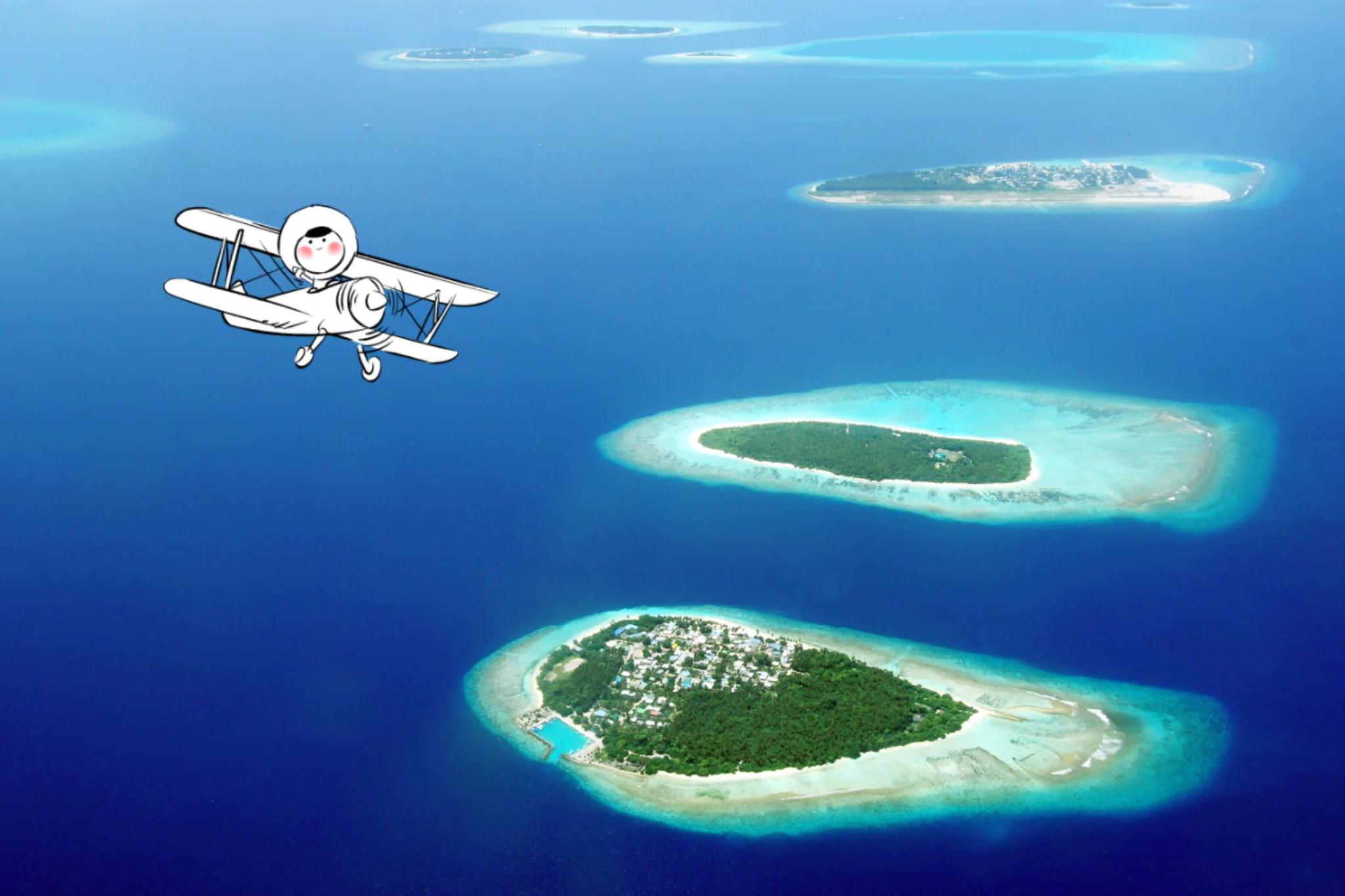
Gili Islands diving offers an easy and relaxed introduction to diving in Indonesia. Shallow reefs, frequent turtle sightings, and generally mild conditions make it suitable for beginners and casual divers.
Flores diving provides access to quieter reefs and serves as a starting point for trips into Komodo, offering a balance between accessibility and biodiversity without heavy crowds.
Best known for: Beginner-friendly diving and turtle encounters
Best time to dive: April to November
Locations: Gili Island and Flores Island
Best Time to Dive in Indonesia by Destination
Indonesia offers excellent diving throughout the year, but conditions vary by region. Planning trips around specific destinations ensures the best visibility and sea conditions.
- Raja Ampat: October to April
- Komodo National Park: April to November
- Alor: April to November
- Wakatobi: April to November
- Bunaken National Park: April to November
- Nusa Penida: July to October
- Banda Sea: September to November
- Ambon: September to April
- Gili Islands: April to November
- Flores: April to November
Indonesia’s Diversity Beneath the Surface
Indonesia’s diving scene stands out for its sheer range, from biodiverse coral systems in Raja Ampat to fast-moving channels in Komodo and the macro-rich slopes of Ambon. With destinations that suit both beginners and seasoned divers, the country remains one of the most compelling places to dive anywhere in the world.
Staying connected while moving between islands is essential. With Eskimo, travelers can use a reliable eSIM across Indonesia, making it easier to manage logistics and stay connected in remote locations. New users can start with a free data offer.
FAQs
What is the best diving spot in Indonesia?
Raja Ampat is often considered the best diving spot due to its exceptional marine biodiversity and pristine coral reefs.
Is diving in Indonesia suitable for beginners?
Yes. Bunaken, Wakatobi, and the Gili Islands offer calm conditions and beginner-friendly dive sites.
Can you dive year-round in Indonesia?
Yes, but conditions vary by region. Planning trips around specific destinations ensures better visibility and calmer seas.
Do I need a liveaboard to dive in Indonesia?
Liveaboards are recommended for remote areas like Raja Ampat and the Banda Sea, but many destinations also offer excellent resort-based diving.