
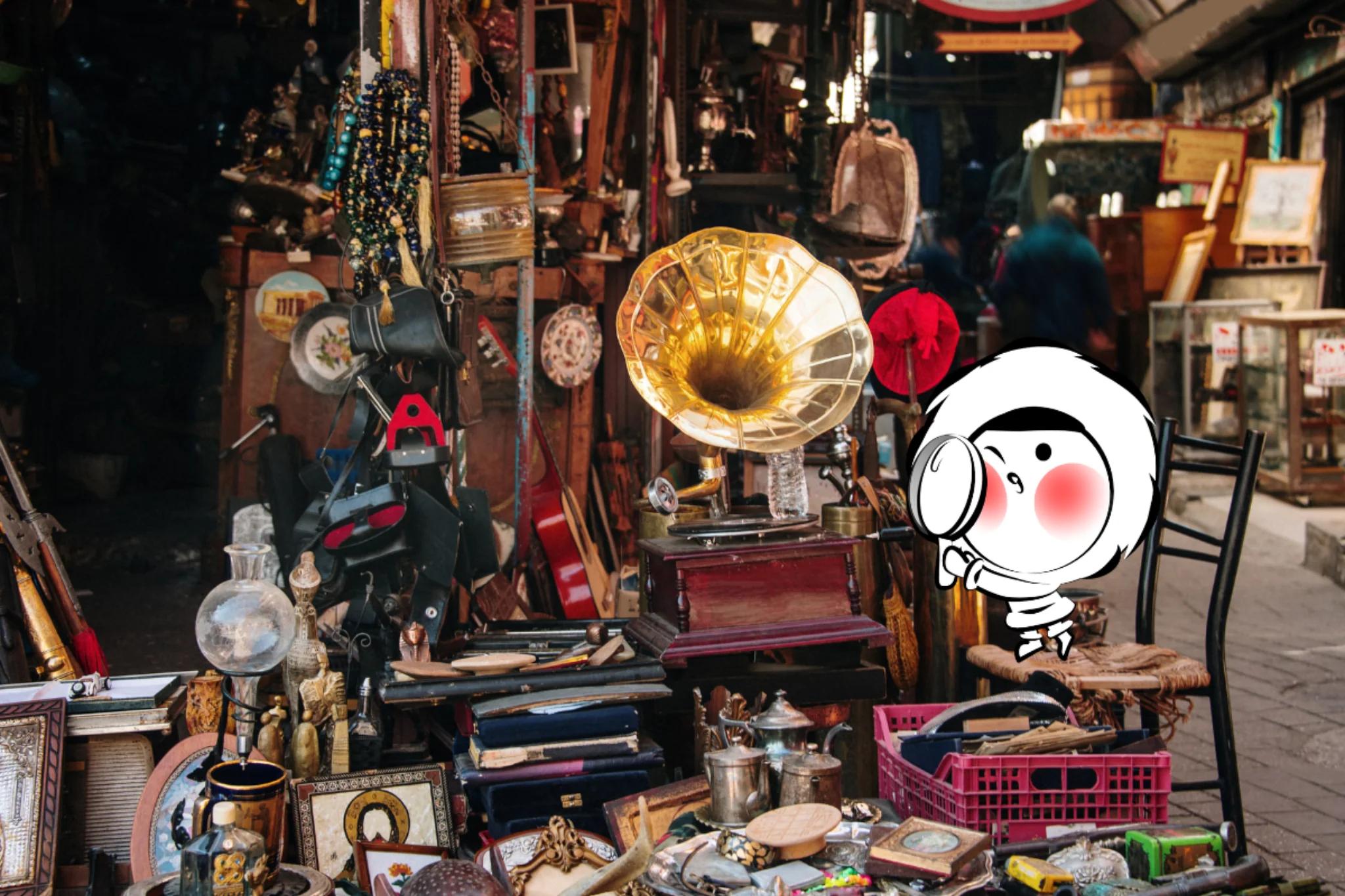
The best flea markets in Europe are still very much worth visiting in 2026, especially if you want antiques, vintage finds, records, old books, or the kind of secondhand shopping that feels tied to the city around it. The strongest picks right now include Saint-Ouen in Paris, Portobello Road in London, El Rastro in Madrid, Feira da Ladra in Lisbon, Mauerpark in Berlin, Waterlooplein in Amsterdam, Porta Portese in Rome, and the Jeu de Balle market in Brussels.
1. Marché aux Puces de Saint-Ouen, Paris, France
Established: Since 1870
Opening days and hours: Open Saturday to Monday, with hours varying by area
Best known for: Antiques, vintage furniture, art, design objects, and collectibles
Saint-Ouen is one of the biggest names in European flea-market culture. Its official site presents it as the largest antiques and second-hand market in the world, and that scale still matters when you walk through it. This is the place for serious browsing, whether you want lighting, furniture, prints, glassware, or small decorative pieces that feel less mass-market and more one-off.
2. Portobello Road Market, London, England
Established: 19th century
Opening days and hours: Open daily, with Saturday as the main market day
Best known for: Antiques, vintage fashion, collectibles, and street atmosphere
Portobello Road remains one of the most famous flea markets in Europe. The official market site still describes it as one of the world’s most famous and historic street markets, and Visit London highlights it for antiques and vintage shopping. It works especially well if you want a market that mixes old finds with neighborhood energy rather than feeling like a specialist trade fair.
3. El Rastro, Madrid, Spain
Established: Documented as early as 1740
Opening days and hours: Held on Sundays and public holidays
Best known for: Antiques, curiosities, art, vintage pieces, and general bric-a-brac
El Rastro is Madrid’s most iconic flea market and still one of Europe’s liveliest open-air market experiences. Madrid tourism describes it as the city’s most popular and traditional market, while other official city information notes that the flea-market version most visitors know takes place on Sundays and public holidays. Go for the atmosphere as much as the shopping. There is a lot to browse, and part of the charm is the sense that you might find something odd, useful, or completely unnecessary but hard to resist.
4. Feira da Ladra, Lisbon, Portugal
Established: Traces back to the 13th century, though it has changed location over time
Opening days and hours: Held on Tuesdays and Saturdays
Best known for: Vintage goods, antiques, secondhand objects, and unexpected finds
Feira da Ladra is Lisbon’s best-known flea market, and its appeal is exactly what the name suggests: a place where the mix matters more than polish. Visit Lisboa still promotes it as the city’s iconic flea market, open on Tuesdays and Saturdays, with a blend of vintage, old objects, and curious pieces that reward patient browsing. It is a good stop if you want a market that feels more local than polished.
5. Mauerpark Flea Market, Berlin, Germany
Established: Modern market with roots in post-Wall Berlin culture
Opening days and hours: Open Sunday, with current sources listing roughly 10 a.m. to 6 p.m.
Best known for: Vintage clothing, records, furniture, bikes, and Berlin’s alternative feel
Mauerpark is one of the easiest markets in Europe to recommend if you want a more casual, contemporary flea-market experience. VisitBerlin and Berlin.de both describe it as a popular Sunday destination with vintage clothing, vinyl, furniture, and a distinctly local crowd. It feels less antiques-led than Saint-Ouen or Portobello, but stronger on Berlin’s creative, improvised side.
6. Waterlooplein Market, Amsterdam, Netherlands
Established: The oldest flea market in the Netherlands
Opening days and hours: Open Monday to Saturday
Best known for: Vintage clothing, secondhand books, jewelry, and mixed-market browsing
Waterlooplein stays popular because it is easy to fit into a city trip and easy to browse without a plan. I Amsterdam describes it as the oldest flea market in the Netherlands, with about 300 stalls and a wide mix of goods, from books and fashion to curios and food-truck stops nearby. It is not the oldest school market on this list, but it is one of the most approachable.
Get Eskimo eSIM to stay connected globally
Need internet? Here's what we recommend:

Fixed data plans
- No speed reduction
- No expiry, keep your data forever
- Transfer data to anyone
- Personal hotspot


7. Porta Portese Market, Rome, Italy
Established: Modern market tradition dating to the years after World War II
Opening days and hours: Held on Sunday mornings
Best known for: Vintage goods, clothing, antiques, records, and bargain hunting
Porta Portese is Rome’s largest and most famous flea market, and Turismo Roma still describes it as a Sunday ritual for locals as well as a major stop for visitors. This is a good market for anyone who likes a less curated feel. The range is broad, the pace can be hectic, and the best approach is to treat it as a long walk with the chance of finding something worthwhile.
8. Place du Jeu de Balle Market, Brussels, Belgium
Established: Moved to its current square in 1873
Opening days and hours: Held every morning
Best known for: Furniture, textiles, accessories, old objects, and bargain hunting
The Jeu de Balle market is one of Brussels’ most characteristic daily markets. City of Brussels market information says more than 300 stalls are set up there every morning, and Visit Brussels still frames it as one of the defining experiences of the Marolles neighborhood. It is especially good if you want the feel of a true everyday flea market rather than a once-a-week event.
How To Choose The Right Flea Market
Not every market suits the same kind of trip.
- Choose Saint-Ouen or Portobello Road for antiques and classic vintage shopping.
- Choose El Rastro or Porta Portese for scale and atmosphere.
- Choose Mauerpark or Waterlooplein for a more casual, easy-to-browse stop.
- Choose Feira da Ladra or Jeu de Balle for markets that still feel deeply local.
Tips For Visiting Flea Markets In Europe
A few simple habits make flea-market visits much easier.
- Go early for lighter crowds and better first pick.
- Check the official opening day before you go, because some of the best markets only run once or twice a week.
- Bring a backup payment method.
- Use mobile data for maps, translations, and train or metro updates.
Easier Market Days Across More Than One City
A Europe trip built around markets usually means moving between cities, checking opening times on the go, and navigating neighborhoods that are not always close to the main sights. Eskimo suits that kind of trip well because you can keep the same eSIM on your phone instead of changing setups every time you cross a border. New users also get free 500MB of Global Data valid for 2 years. For rail-heavy trips and short city breaks, that kind of continuity is genuinely useful.
FAQs
What is the most famous flea market in Europe?
Marché aux Puces de Saint-Ouen in Paris is one of the strongest candidates because of its scale, long history, and international reputation for antiques and second-hand goods. Portobello Road in London is another major name.
Which European flea market is best for antiques?
Saint-Ouen is the strongest choice for antiques-focused browsing, while Portobello Road is also a good pick for antiques mixed with vintage fashion and collectibles.
Which flea markets in Europe are open daily?
Portobello Road is open daily, though Saturday is the main market day. The Jeu de Balle market in Brussels takes place every morning, and Waterlooplein runs Monday to Saturday.
Are these flea markets still open in 2026?
Yes. The markets listed here are all still active based on current official tourism or market sources available in 2026.