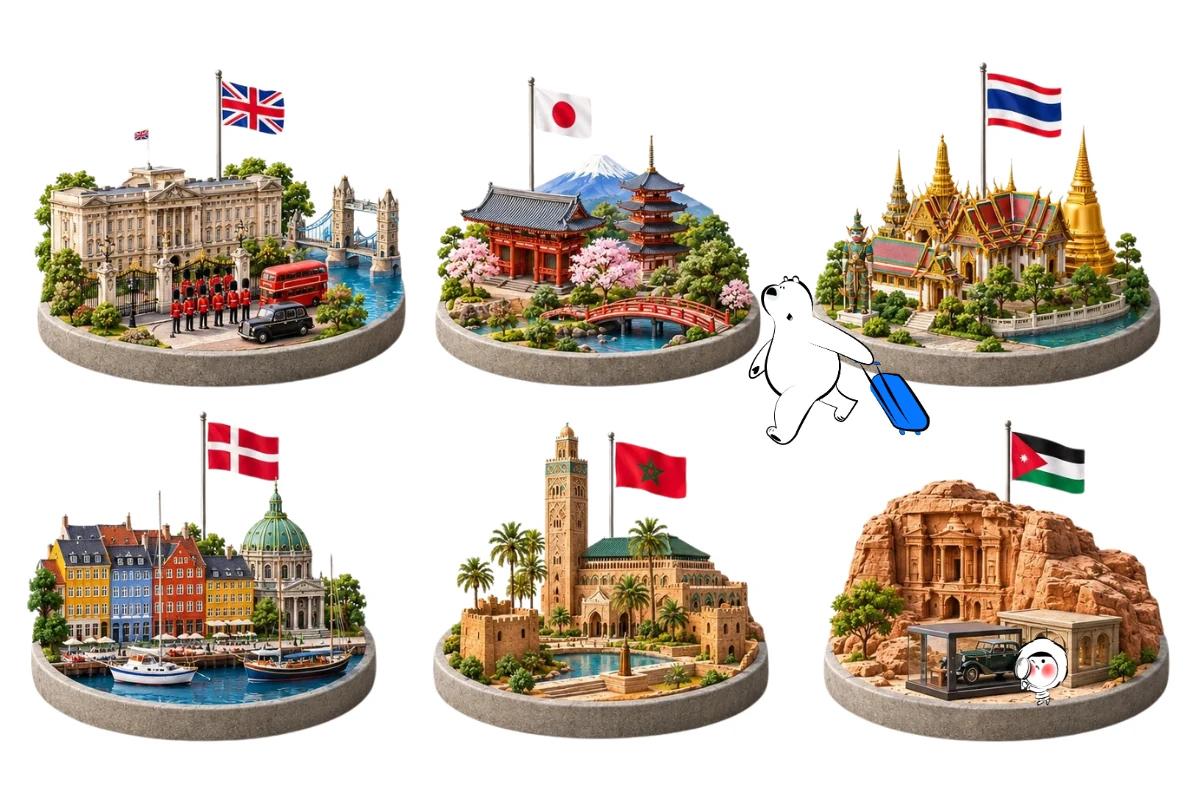

Digital nomad travel sounds exciting because it is. You get freedom, flexibility, and the chance to build a life that is not tied to one office or one city. But the version that actually works is rarely the postcard version. It is a practical setup built on income stability, reliable internet, realistic planning, and routines you can sustain.
If you are curious about the digital nomad lifestyle, this guide will help you understand how it works, who it suits, and how to travel the world as a digital nomad without turning every week into a logistics fire drill.
What is digital nomad travel?
If you searched “what is digital nomad”, here is the simple answer: a digital nomad is someone who works remotely while moving between cities or countries instead of living and working in one fixed place.
In practice, digital nomad travel sits somewhere between remote work, long-term travel, and flexible living. It is not the same as backpacking full time, and it is not exactly the same as expatriate life either. The core idea is that your work travels with you, usually through a laptop, internet connection, and a routine that lets you keep earning while you move.
The lifestyle can work well for freelancers, founders, consultants, creators, and remote employees. It works less well if your income is unstable, your job requires fixed in-person hours, or you enjoy travel but hate uncertainty.
Is the digital nomad lifestyle right for you?
The digital nomad lifestyle is appealing for obvious reasons. You can explore more places, design your schedule more freely, and often build a slower, more intentional way of living.
But there is another side to it. You still need to work. You still need to show up for calls. You still need to manage time zones, accommodation, admin, and connectivity. The people who do this well are usually not the most spontaneous. They are the most prepared.
It may be a good fit if you:
- Already earn remotely or have a clear path to doing so
- Are comfortable planning ahead
- Can adapt when transport, housing, or Wi-Fi goes sideways
- Want flexibility more than constant novelty
It may be harder if you:
- Rely on unstable income
- Need a rigid routine to stay productive
- Dislike planning or last-minute problem-solving
- Romanticize travel but underestimate admin
How to travel the world as a digital nomad
The smartest answer to how to travel the world as a digital nomad is not “book a one-way ticket.” It is “build a system before you build an itinerary.”
Start with five foundations:
1. Secure your income
Before you go anywhere, make sure your work model is stable. Know how you get paid, how often, in what currency, and what your minimum monthly budget looks like.
2. Choose a travel style
Some nomads move every week. Others stay one to three months in each place. Faster travel sounds exciting, but slower travel is usually easier on your budget, productivity, and stress levels.
3. Check entry rules early
Do not assume you can legally work from anywhere on any visa. Some countries now offer dedicated remote-work or digital nomad visa routes, while others have different rules, conditions, and limits. Estonia and Spain, for example, both publish specific official routes for remote workers, which shows why country-by-country checks matter.
4. Build a connectivity backup plan
Remote work and unstable internet are a terrible couple. Before arrival, know your main connection, your backup option, and what happens if the accommodation Wi-Fi is weak. For most nomads, that means a mix of local Wi-Fi, hotspot capability, and travel data that works as soon as they land.
5. Keep your setup simple
The more complicated your travel system is, the more things can fail. Keep documents, payments, storage, and work tools organized and easy to access.
How to choose the right destination
Not every beautiful place is a good digital nomad base. A better framework is to choose destinations based on fit, not fantasy.
Look at:
- Visa or stay rules
- Internet reliability
- Time zone compatibility
- Cost of living
- Safety and walkability
- Transport convenience
- Access to groceries, healthcare, and work-friendly spaces
- How easy it is to stay longer if you like it
This is where many people get tripped up. They choose a place because it looks exciting, then discover that the Wi-Fi is patchy, meetings are at 2 a.m., and short stays are expensive. A strong destination is one that supports your work first and your sightseeing second.
Visas, legality, and common mistakes
One of the biggest mistakes in digital nomad travel is treating all border rules as interchangeable. They are not.
At a high level, you need to think about:
- How long you can stay
- Whether remote work is permitted under that route
- Whether you need proof of income
- Whether health insurance is required
- Whether tax or residency implications could apply
This is exactly why the pillar should stay broad and why country-specific visa pages should live as clusters. Rules change. Thresholds change. Required documents change. The safe approach is to use this guide for planning, then verify the exact rules on official immigration or consular websites before you book. Estonia’s official digital nomad visa guidance and Spain’s consular guidance are good examples of why official checking matters.
Get Eskimo eSIM to stay connected globally
Need internet? Here's what we recommend:

Fixed data plans
- No speed reduction
- No expiry, keep your data forever
- Transfer data to anyone
- Personal hotspot


How much does digital nomad travel cost?
Your costs will depend on pace, destination, and comfort level, but the core budget categories are predictable:
- Accommodation
- Food and coffee
- Transport
- Mobile data and internet
- Insurance
- Workspace or coworking
- Subscriptions and tools
- Emergency buffer
The easiest way to lose money is to move too often. Frequent flights, short stays, and last-minute bookings can quietly chew through your budget. A more sustainable model is to stay longer, negotiate better rates, and build enough routine that your spending becomes predictable.
How to stay connected while working abroad
This is where a lot of digital nomad articles get fluffy. Reliable internet is not a bonus. It is part of the job.
Your setup should include:
- Primary internet at your accommodation or coworking space
- Mobile data for arrival day, transit days, and backup
- Hotspot capability for urgent work sessions
- Offline access to key files when connections are weak
For digital nomads moving across countries, the real value is not just data. It is continuity. You do not want to land, hunt for a shop, compare prepaid options half-awake, and hope your number works before your next call. A travel eSIM with broad coverage and long validity is usually a cleaner system for multi-country movement.
Where digital nomads usually stay
Accommodation shapes your work life more than most people expect. Hotels are easy but can get expensive for longer stays. Hostels are social but not always work-friendly. Apartments give you more routine, kitchen access, and privacy. Coliving spaces can help if you want community fast, though they are not ideal for everyone.
When choosing a place, look beyond photos. Check:
- Desk or table setup
- Actual Wi-Fi reviews
- Noise levels
- Natural light
- Nearby cafés or coworking
- Laundry access
- Walkability
A great apartment with bad Wi-Fi is not great for a digital nomad.
Do you need digital nomads insurance?
Digital nomads insurance should cover more than a standard short holiday mindset.
At minimum, review:
- Emergency medical coverage
- Trip interruption or delays
- Lost or stolen baggage
- Electronics or laptop coverage
- Length-of-trip limits
- Exclusions for work equipment or adventure activities
The right policy depends on how often you move, where you go, and whether your laptop is essential to your income. Insurance is rarely the most exciting part of the plan, but it becomes very exciting the minute something goes wrong.
How to stay productive without burning out
The biggest myth in the digital nomad lifestyle is that freedom automatically creates balance. Usually, it creates more decisions.
A better system is to reduce decision fatigue:
- Keep regular work hours when possible
- Batch travel days and admin days
- Avoid moving right before major deadlines
- Choose accommodation with work in mind
- Leave room for rest, not just movement
Productivity is usually better when travel supports work, not when work is squeezed into the leftovers.
Choose Smarter, Travel Better
The best version of digital nomad travel is not nonstop motion. It is a setup that lets you work well, travel well, and keep going without constant stress.
That means choosing destinations carefully, checking legal rules early, budgeting honestly, and treating internet as infrastructure, not luck. If you build around those basics, the lifestyle becomes far more practical and far less chaotic.
For nomads crossing borders often, staying connected is one of the easiest places to simplify the whole system. Eskimo helps cut out the airport-SIM scramble with travel data that works across multiple destinations, and new users get 500MB of free global data valid for 2 years. For a lifestyle built on mobility, having data ready when you land is one less moving part to worry about.
FAQs
What is a digital nomad?
A digital nomad is someone who works remotely while living or traveling in different places rather than staying in one fixed location.
How do I start digital nomad travel?
Start with stable income, a realistic monthly budget, a shortlist of work-friendly destinations, a legal stay plan, and a reliable connectivity backup before you book your first trip.
How to travel the world as a digital nomad without burning out?
Move slower, stay longer, avoid overpacked itineraries, and build a routine that protects both work time and recovery time.
Do digital nomads need insurance?
Yes. At a minimum, review medical coverage, trip disruption, and protection for the gear you rely on for work.
Can I work remotely on a tourist visa?
Sometimes the rules are unclear, and in other cases there are dedicated remote-work routes instead. Always verify the official rules for the exact country and visa path you plan to use. Official examples from Estonia and Spain show that remote-work eligibility is country-specific.