
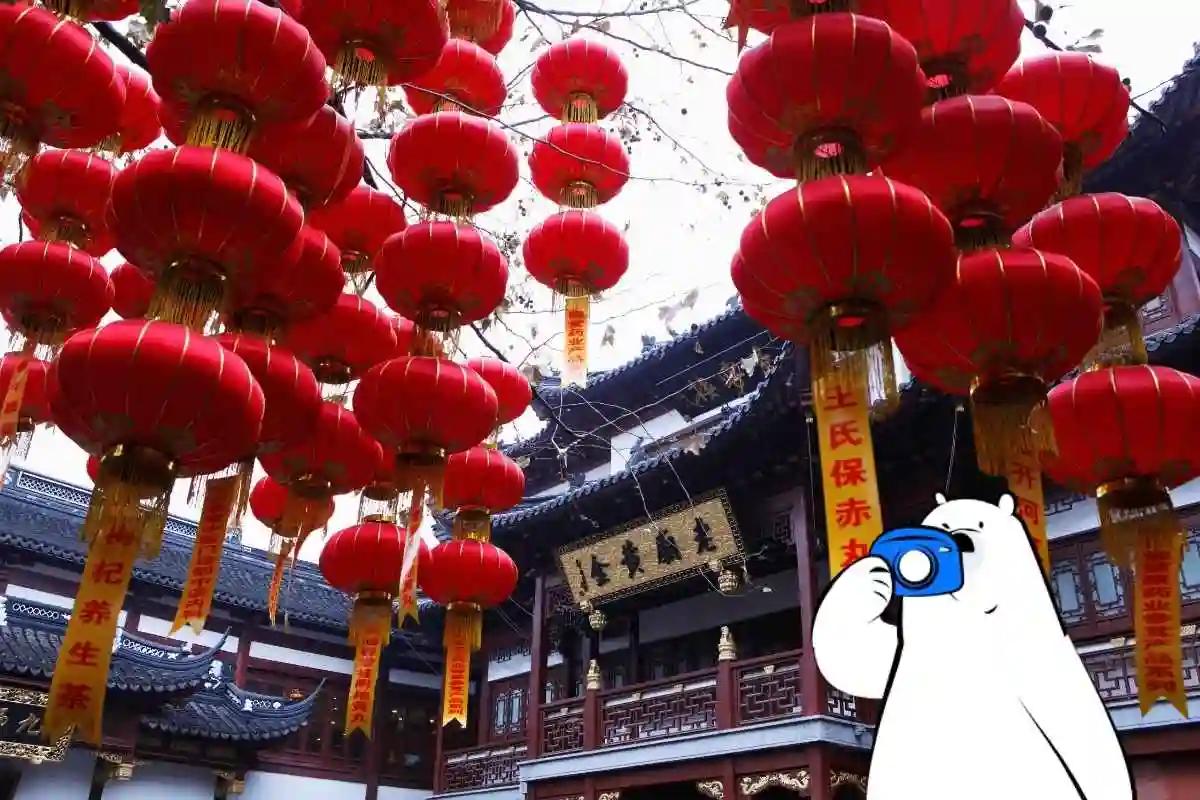
Traveling to China is an exciting experience filled with incredible food, futuristic cities, ancient history, and unique traditions. However, China works very differently from many other countries, especially when it comes to technology, payments, transportation, and daily life. Knowing what to expect before you go can make your trip much smoother and far less stressful.
Here is your complete Travel Guide to China: Facts, Hacks, Culture Shocks & What to Prepare.
Travel Facts About China
1. People rarely use cash in big cities
In major cities, many locals don’t carry cash at all. Everything from street food to taxis is paid by QR code. Set up Alipay or WeChat Pay and link your bank card before arriving so you can pay everywhere easily.
2. The train system is better than flying
High-speed trains are often faster and more convenient than planes when you include airport security and travel time. Choose bullet trains for city-to-city travel and book tickets in advance through Trip.com.
3. Cities are HUGE
What looks “close” on a map can still be 45 minutes away. Chinese cities are on a mega scale. Always check travel time (not just distance) on Amap before planning your day.
4. English isn’t widely spoken
Hotel staff may speak some English, but taxi drivers, small restaurants, and shops usually don’t. Save your hotel address and key destinations in Chinese characters to show locals when needed.
5. Super apps run daily life
Apps like Alipay, WeChat, Amap, and Meituan are used for transport, food, payments, and more. Download and set up essential Chinese apps before your trip so you’re not stuck without services.
6. Security checks are common
You’ll go through bag scanners in metros, train stations, and even some tourist attractions. Carry your passport and avoid packing restricted items in your day bag to pass checks smoothly.
7. Food variety is massive
Chinese food in China is VERY different from Western “Chinese food.” Every region has its own flavors. Be open to trying local dishes and use translation apps or food photos to help with ordering.
8. Internet is restricted
Google, Instagram, WhatsApp, and YouTube don’t work without a VPN. Install and test a reliable VPN before entering China so you can access your usual apps.
Travel Hacks in China
1. Use high-speed trains instead of flights
They’re punctual, comfortable, and stations are usually closer to city centers.
2. Travel outside rush hour
Metro rush hour (7–9 AM, 5–7 PM) can be extremely crowded.
3. Screenshot everything
Hotel addresses, tickets, and maps. In case apps don’t load or Wi-Fi is weak.
4. Save places in Amap before going out
It works better than Google Maps in China and shows metro exits clearly.
5. Carry tissues everywhere
Many public toilets don’t provide toilet paper.
6. Learn a few key Chinese phrases
Even simple words like “xiè xiè” (thank you) go a long way.
7. Order food by pointing at pictures
Menus often have photos. Screenshot dish names in Chinese for easier ordering.
8. Use DiDi inside Alipay
No need for a separate app, easier for tourists.
Culture Shocks Travelers Often Experience
1. Loud public spaces
Restaurants and public transport can be much noisier than in many countries.
2. Squat toilets are common
Especially in older buildings and public restrooms.
Get Eskimo eSIM to stay connected in China
Need internet in China? Here's what we recommend:

Fixed data plans
- No speed reduction
- No expiry, keep your data forever
- Transfer data to anyone
- Personal hotspot



Unlimited data plans
- Unlimited day pass
- Daily 3GB high-speed + 1Mbps unlimited after
- Personal hotspot



3. Personal space is different
People may stand very close in lines or public transport. It’s normal, not rude.
4. Staring happens
In smaller cities, foreigners may attract curious looks or photo requests.
5. Sharing food is the norm
Meals are usually ordered for the table, not individual plates.
6. Cold drinks are less common
Many locals prefer warm or room-temperature water.
7. Line cutting can happen
Not everywhere, but it still occurs. Be politely assertive.
8. Early mornings & early dinners
Some attractions get crowded early, and locals often eat dinner earlier than Western travelers.
What to Prepare Before Traveling to China
Tech & Apps
- Install Alipay and link your international card
Most places in China use QR payments, and Alipay allows foreign travelers to pay for food, transport, and shopping without cash. - Download Amap, Trip.com, and DiDi
Amap helps with accurate navigation, Trip.com is best for booking trains and hotels, and DiDi makes getting taxis easy without language barriers. - Install and test a VPN before arrival
Many global apps like Google, Instagram, and WhatsApp are blocked, so your VPN must be working before you land. - Set up eSIM or roaming data in advance
Internet is essential for maps, payments, and ride-hailing, so having mobile data immediately after arrival is very important. Use Eskimo eSIM for a hassle-free internet connection in China. They offer a free 500MB global data trial you can use in China, or you can choose China data plan instead.
Money & Payments
- Bring a small amount of cash (RMB) just in case
While rare, some small shops or rural areas may still accept cash, so it’s good as a backup. - Inform your bank you’re traveling to avoid card blocks
International transactions in China may trigger security alerts, and informing your bank helps prevent your card from being frozen.
Documents
- Always keep your passport with you!
Passport checks are common when entering train stations, airports, and even some tourist sites. - Save digital and printed copies of bookings
Having offline proof of hotel and transport bookings helps if your internet is not working or staff ask for confirmation.
Essentials
- Bring a power bank with a CCC logo
Power banks without China Compulsory Certification (CCC) may be confiscated during airport or train station security checks. - China uses plug types A, C, and I, voltage 220V
A universal adapter is recommended, and make sure your electronics support 220V voltage.
Language Help
- Screenshot your hotel name and address in Chinese characters
This makes it much easier to show taxi drivers or ask locals for directions. - Prepare translation apps (Google Translate offline, Pleco, etc.)
English is not widely spoken, so translation apps help with menus, signs, and daily communication.
Transport Prep
- Pre-book major train tickets on Trip.com, especially during holidays
Trains sell out quickly during peak seasons, and booking early guarantees you a seat. - Arrive early at stations for security + passport checks
Train stations function like airports, and security lines plus ID verification can take extra time.
FAQs
Can I drink tap water in China?
Tap water is not safe to drink, so stick to bottled or boiled water, even when brushing your teeth in some areas.
What’s the best time of year to visit China?
Spring (April–June) and autumn (September–October) usually have the most comfortable weather for sightseeing.
Are there any major holidays to avoid?
Yes, Chinese New Year and Golden Week (early October) are peak travel periods when transport and attractions are extremely crowded.
Are vegetarian or halal foods easy to find?
They are available but not always clearly labeled, so learning key food words or using translation apps can really help.