Traveling opens the door to incredible experiences, but unfortunately, tourists are common targets for scams. Scammers often look for travelers who are tired, unfamiliar with the area, or unsure how local systems work. The good news? Most travel scams are easy to avoid if you know what to watch out for. Staying alert, planning ahead, and trusting your instincts can protect both your money and your peace of mind.
14 Ways to Avoid Scams
Be Careful With Overly Friendly Strangers
While many locals are genuinely kind, scammers often start with friendly conversations. They may invite you to a bar, tea house, or special event, then surprise you with an extremely high bill at the end. If you didn’t plan the activity yourself, it’s safest to politely decline.
Always Agree on Prices First
Before getting into a taxi, hiring a driver, or buying something at a market, confirm the full price in advance. Some drivers claim the meter is broken, while vendors may suddenly change the price after you’ve received the service. If the price feels unclear or suspicious, walk away.
Buy Tickets Only From Official Sources
Scammers often stand near popular attractions or transport stations claiming tickets are sold out and offering “special access.” These tickets are usually fake or heavily overpriced. Always buy from official websites, authorized counters, or trusted booking platforms.
Book Transport Only From Official or Trusted Sources
Avoid random drivers approaching you at airports or tourist areas. Use official taxi counters, hotel-arranged transport, or trusted ride-hailing apps that show the price clearly before the trip starts.
Book Hotels Through Trusted Platforms
Fake hotel listings and payment scams exist, especially on social media. Use reputable booking platforms, read real reviews, and avoid sending money through unofficial payment methods.
Watch Out for Distraction Techniques
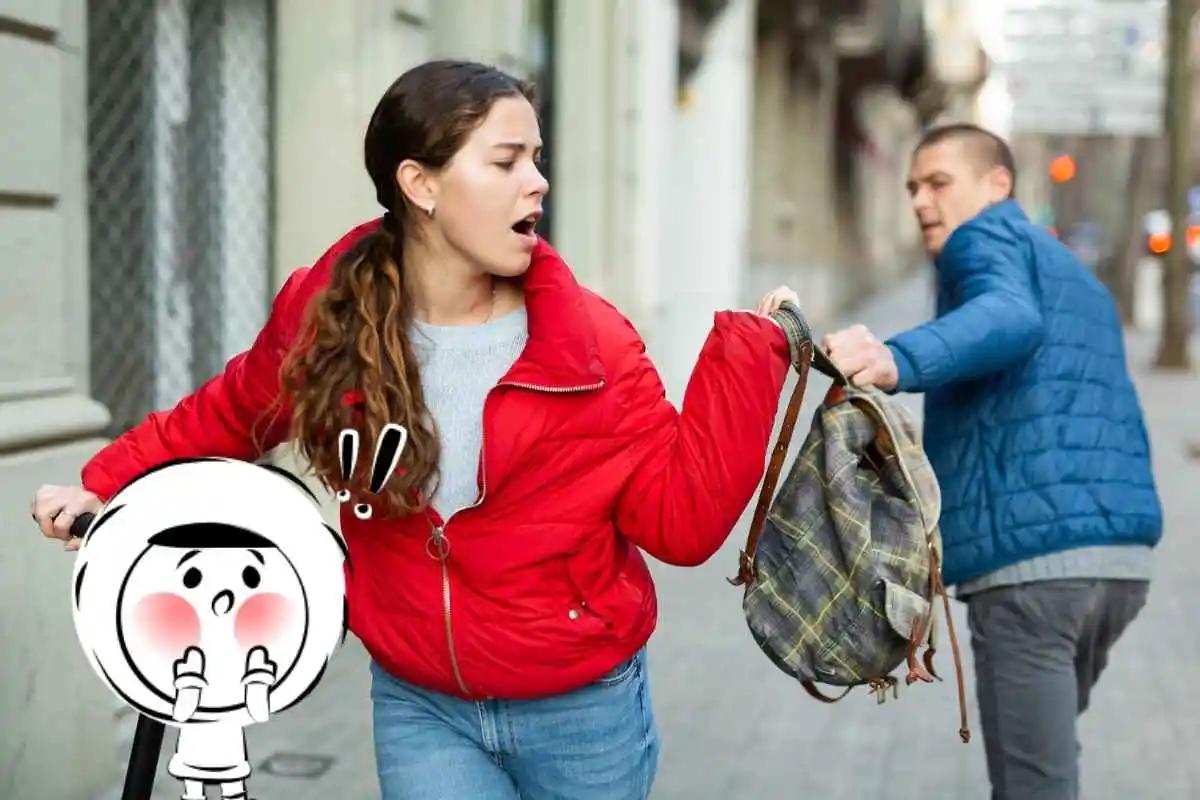
Many scams involve teamwork. One person may bump into you, spill something on you, or ask for help while another steals from your bag or pocket. Keep your belongings zipped, wear bags in front in crowded places, and avoid using your phone near busy streets.
Use ATMs in Safe Locations
Avoid using ATMs on quiet streets or in isolated areas where skimming devices may be installed. Instead, withdraw money from machines inside banks, hotels, or shopping malls. Always cover the keypad when entering your PIN.
Never Hand Over Your Important Personal Belongings
If someone takes your card away to process a payment or offers to “help” with your belongings, they could swap it with another card or attempt to steal from you. Never give your phone, wallet, passport, or bag to a stranger, even for a moment. Always keep your valuables within sight and reach, use bags with secure zippers, and avoid placing important items in back pockets or easily accessible compartments.
Double-Check QR Codes Before Paying
In some destinations, scammers place fake QR code stickers over real ones. Before paying digitally, check that the code looks original and verify the merchant name on your screen before confirming payment.
Research Common Local Scams Before You Go
Every country has its own “classic” scams. Some places are known for fake police officers, street games designed to trick tourists, or “free gift” scams where you’re later pressured to pay. A little research before your trip can make a huge difference.
Be Skeptical of “Officials” Without Proper ID
If someone claims to be a police officer or government official and asks to see your wallet or passport, ask for identification and suggest going to the nearest police station. Real authorities will not pressure you to hand over cash on the street.
Trust Your Instincts
If something feels rushed, confusing, or uncomfortable, remove yourself from the situation. Scammers rely on pressure and distraction. You are never obligated to continue a conversation or accept help from a stranger.
Check ATM Fees Before Withdrawing
Some ATMs, especially in tourist zones, charge very high withdrawal fees. Always check the fee displayed on screen and cancel if it seems excessive. Trying another ATM nearby can save you money.
Avoid Buying Food From Random Walking Vendors
Vendors walking around selling fruit or snacks without a proper stall can be risky for both hygiene and overcharging. Choose places with a fixed shop or market stall where prices are clearer and food handling is more reliable.
Countries Where Tourists Should Be Extra Alert
Vietnam
Some travelers are overcharged by street vendors offering fruit or snacks and by unofficial “hotel agents” who claim your hotel is closed and redirect you elsewhere for commission.
Thailand
Tuk-tuk drivers may say attractions are closed to take you to commission-based shops, and jet ski rentals sometimes involve false damage claims.
India
Drivers may claim your hotel is closed and take you to another for commission, while fake guides and inflated tourist prices are also common.
Indonesia (Bali)
Unofficial money changers may use misleading rates, and some scooter rentals or drivers may exaggerate damage fees or overcharge.
Egypt
At tourist sites, “free” help or photos often lead to aggressive tip demands, and animal ride operators may change prices afterward.
Morocco
In medinas, unofficial guides may lead you somewhere and demand payment, while some taxi drivers avoid meters and overcharge.
Get Eskimo eSIM to stay connected globally
Need internet while travelling? Here's what we recommend:

Fixed data plans
- No speed reduction
- No expiry, keep your data forever
- Transfer data to anyone
- Personal hotspot


Turkey
Travelers may be invited to bars or clubs and later presented with extremely high bills, and shop visits can come with heavy sales pressure.
Italy
Pickpocketing is common in tourist areas and public transport, often using distraction tactics like petitions or staged incidents.
France
Near major landmarks, scams include fake petition signers, bracelet sellers, and people pretending you dropped a gold ring to ask for money.
Brazil
Distraction theft happens in crowded public areas and beaches, and some taxi drivers may take longer routes or avoid meters.
Mexico
Unofficial taxis may overcharge in tourist zones, and ATM skimming has been reported in busy nightlife and resort areas.
Spain
Cities like Barcelona and Madrid are known for skilled pickpockets who use distraction techniques in metros, cafes, and busy streets.
Czech Republic (Prague)
Some exchange offices advertise good rates but give poor conversions, and certain taxi drivers overcharge unsuspecting visitors.
What to Prepare Before Travel to Avoid Scams
- Research common scams specific to your destination
Knowing the typical tricks used in that country helps you recognize warning signs early and avoid getting pressured in the moment. - Save emergency contact numbers for your bank
If your card is lost, stolen, or skimmed, you can immediately freeze it and prevent further unauthorized charges. - Enable transaction alerts on your banking apps
Real-time notifications help you spot suspicious payments quickly so you can act before more money is taken. - Screenshot hotel bookings and tickets
Having proof offline protects you if someone claims your booking is invalid or if you lose internet access. - Learn basic local phrases for “no” and “help”
Being able to firmly say no in the local language can stop pushy sellers and makes you look less like an easy target. - Share your itinerary with a trusted person
Someone back home knowing your plans adds a safety layer if you lose contact or need assistance. - Understand local transportation rules
Knowing how official taxis, buses, or trains operate makes it easier to spot unofficial drivers or fake ticket sellers. - Check typical prices for common services
Looking up average taxi fares, attraction tickets, or food prices helps you recognize when you’re being overcharged. - Set a daily spending limit on your cards
Lower limits reduce potential losses if your card details are stolen. - Download offline maps and important info
Being able to navigate without internet prevents you from relying on strangers who may mislead you.
What to Bring to Stay Safe While Traveling
- Anti-theft backpack or crossbody bag
Bags with hidden zippers or lockable compartments make it much harder for pickpockets to access your belongings. - RFID-blocking wallet or card holder
This helps prevent electronic skimming of contactless cards in crowded places. - Portable phone charger
A dead phone can leave you stranded without maps, bookings, or the ability to call for help. - Copies of passport and important documents
Both printed and digital copies speed up replacement if originals are lost or stolen. - A small amount of emergency backup cash
Kept separately from your main wallet, this can help in situations where cards are lost or not accepted. - Travel insurance covering theft and loss
Insurance provides financial protection if valuables, luggage, or documents are stolen. - Money belt or hidden pouch
Useful in high-risk areas for storing backup cards and emergency cash discreetly. - Basic first-aid kit
Minor injuries can happen anywhere, and having basics prevents needing help from strangers in vulnerable moments. - Door stop alarm or portable door lock
Adds extra security in hotels or rentals, especially in unfamiliar places. - Pen and small notebook
Helpful for writing down addresses, license plates, or notes if your phone is unavailable. - Internet Connection with eSIM
In case of an emergency involving your important belongings, you can immediately search for the nearest police station for help. Using an eSIM makes it easier to stay connected while traveling, and you can get a free 500MB global data trial from Eskimo eSIM without any purchase.
FAQs
When are travelers most vulnerable to scams?
People are more likely to be targeted when they first arrive, are carrying luggage, look lost, or are rushing in busy places like airports and train stations.
What’s the biggest mistake travelers make that leads to scams?
Ignoring small warning signs, like unclear prices or uncomfortable situations, often leads to bigger problems, trusting your instincts early can prevent most scams.
Do scammers only target solo travelers?
No. Couples, families, and groups can also be targeted, especially if they look distracted, are managing luggage, or seem unsure about directions or local systems.
What should I do right after realizing I’ve been scammed?
Stay calm, move to a safe place, block your bank cards immediately, report the incident to local authorities, and contact your embassy if important documents were lost.