
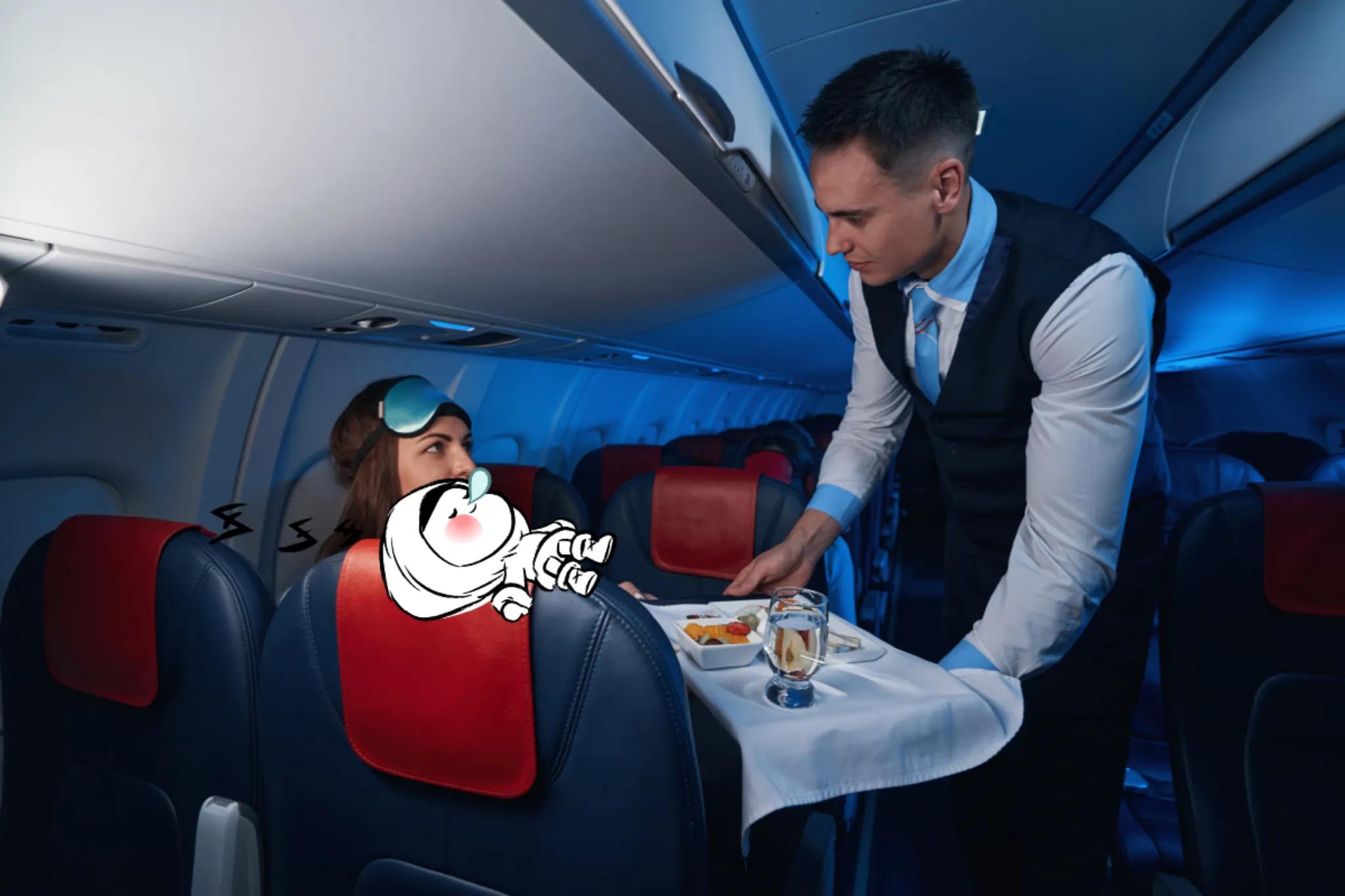
The most effective way to survive an overnight flight in economy is to focus on supported rest rather than perfect sleep. Success depends on preparing a dedicated sleep kit, maintaining circulation through movement, and managing light exposure to help the body adjust to a new time zone. Prioritizing physical comfort over entertainment helps reduce the exhaustion often associated with long-haul travel.
| Category | Recommended Action |
| Seating | Choose window for support or aisle for easier movement. |
| Sleep Gear | Use a high-quality neck pillow, eye mask, and earplugs. |
| Health | Stay hydrated and perform seated calf exercises. |
| Light | Dim screens two hours before intended rest. |
Prepare Your Space Before Takeoff
Comfort on a long flight begins with seat selection and organization. A window seat provides a solid surface to lean against, which can prevent the head from slumping forward. Conversely, an aisle seat is better for those who prefer to stand and stretch without disturbing others.
Keep essential items within reach so you do not have to access the overhead bin after the lights dim. Have these items ready before takeoff:
- Neck pillow and eye mask
- Earplugs or noise-canceling headphones
- A light, breathable layer (like a hoodie or shawl)
- Refillable water bottle
Prioritize Supported Rest
Sleeping in an upright position is rarely deep, but supporting the neck and spine makes the experience more restorative. Research into aircraft seating suggests that neck fatigue increases significantly when passengers recline without proper support. A firm neck pillow or a rolled-up scarf can stabilize the head and prevent the "snap-awake" effect caused by sudden movements.
If the seat feels too upright, add a small pillow or jacket behind the lower back for lumbar support. Reducing blue light exposure is vital for signaling to your brain that it is time to rest. Switch to audiobooks or podcasts an hour before you plan to sleep to help your brain wind down naturally.
Get Eskimo eSIM to stay connected globally
Need internet? Here's what we recommend:

Fixed data plans
- No speed reduction
- No expiry, keep your data forever
- Transfer data to anyone
- Personal hotspot


Maintain Circulation and Movement
Sitting stationary for several hours can lead to stiffness and increased health risks. The CDC notes that travel lasting more than 4 hours can increase the risk of blood clots. Perform these simple exercises in your seat every hour:
- Ankle Circles: Rotate your ankles in circular motions.
- Heel and Toe Lifts: Lift and lower your heels while keeping your toes on the floor.
- Calf Tensions: Contract and relax your calf muscles periodically.
When the seatbelt sign is off, walk the length of the aisle to maintain blood flow. This movement reduces the physical heaviness often felt after a long trip.
Manage Food and Hydration
What you consume impacts how you feel upon arrival. Aircraft cabins are dry, making consistent water intake more important than usual. While alcohol is often used as a sleep aid, it typically disrupts rest quality and contributes to dehydration.
Eat a light meal early in the flight to avoid bloating at high altitudes. If you are struggling with the time change, managing your light exposure and eating according to your destination's schedule can help your internal clock reset faster.
Streamline Your Arrival
The final hurdle is navigating the airport while exhausted. Preparing for your destination before you land reduces stress during those first few hours on the ground. Simple actions like brushing your teeth or washing your face before descent can provide a mental reset.
Once you land, seek out natural sunlight to help reset your circadian rhythm. Avoid planning demanding activities for the first few hours after arrival to give yourself time to find your bearings.
Securing connectivity before you land eliminates the stress of navigating a new airport without internet. With Eskimo, you can install a single eSIM that works across multiple destinations, allowing you to connect to local data the moment you land. This avoids the need to hunt for local SIM cards or rely on unstable airport Wi-Fi while tired. New users can get free 500MB of Global Data valid for two years, ensuring you have a reliable connection for your first few hours in a new country.
FAQ
Is it better to sleep or stay awake on an overnight flight?
It is generally better to attempt to sleep to help your body recover, even if the rest is shallow. If you cannot sleep, focus on resting your eyes and keeping your body relaxed to minimize fatigue.
What is the best sleeping position in economy?
The best position involves keeping your head supported and your spine as neutral as possible. Using a window for support or adding a lumbar cushion often provides the most relief.
How do I avoid being bored if I can't sleep?
If sleep is elusive, engage in low-stimulation activities that do not involve bright screens. There are many ways to pass time on a long flight such as listening to music or reading a physical book.
How often should I move during the flight?
Try to move your legs every hour while seated and stand up to walk whenever the seatbelt sign allows. This is especially important on flights longer than four hours to maintain healthy circulation.