
The best time to visit Thailand is generally between November and February, when the weather is cool and dry across most of the country. Thailand experiences three distinct seasons: the cool season (November to February), the hot season (March to May), and the rainy season (June to October).
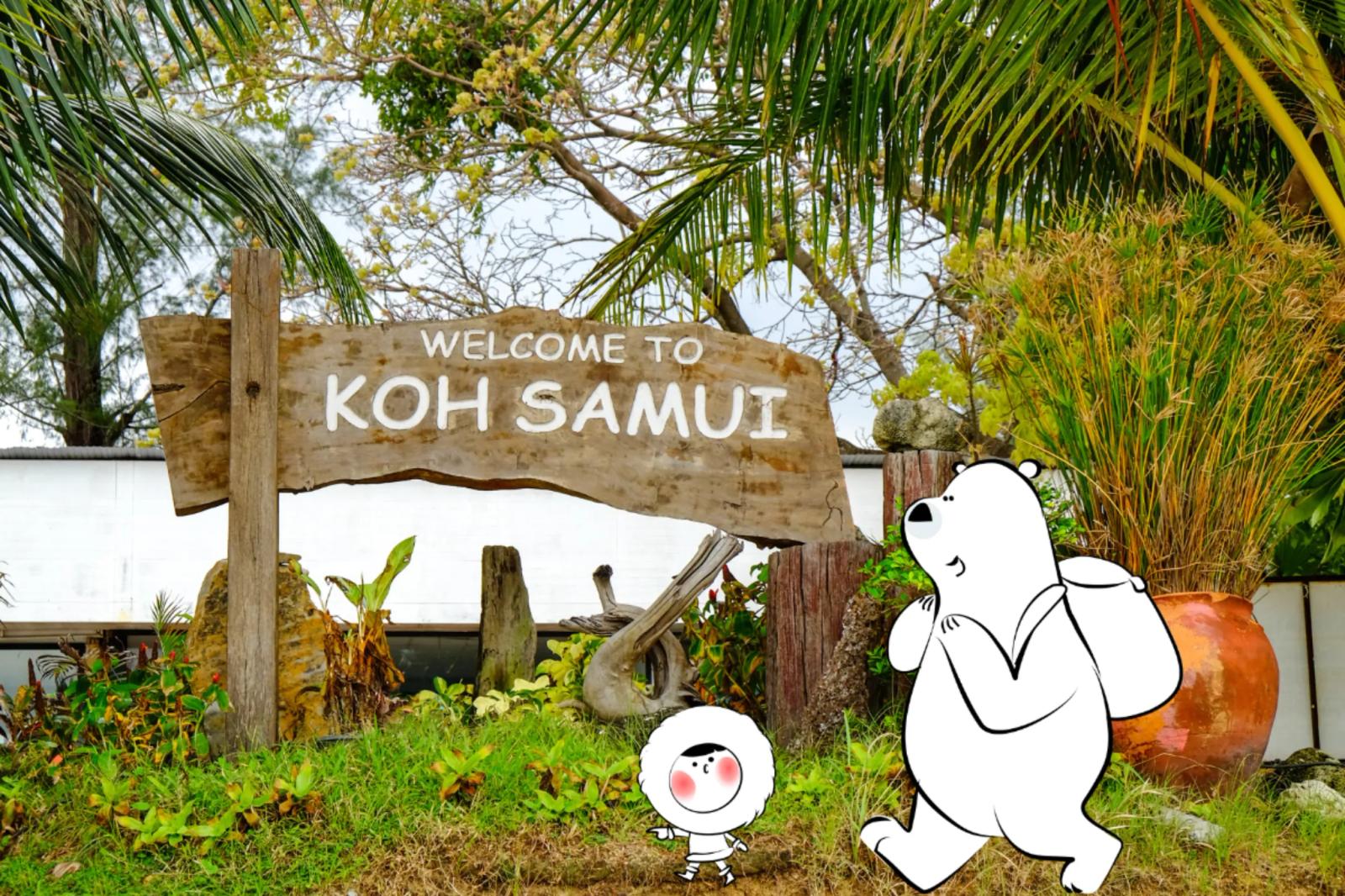
Conditions vary significantly by region. While the Andaman Coast (Phuket and Krabi) may be rainy, the Gulf of Thailand (Koh Samui and Koh Phangan) often stays drier.
January
January offers some of the most comfortable weather of the year. The Thai Meteorological Department typically reports mild temperatures and low humidity across northern and central Thailand. This makes it an ideal time for walking tours in Bangkok or trekking in the mountains. Coastal areas are sunny and the seas are calm, which is perfect for diving and snorkeling. Because this is peak season, expect higher prices and larger crowds at popular landmarks.
February
Weather conditions in February remain excellent. Temperatures begin to rise slightly toward the end of the month, but the air stays relatively dry.
This is often considered a better alternative to January for those who want to avoid the post-New Year travel rush while still enjoying clear skies. It is a reliable month for visiting both the Andaman and Gulf coasts.
March
March marks the beginning of the hot season. In Bangkok and central provinces, midday heat can become intense. In Northern Thailand, air quality can become a factor for travelers as this coincides with the local burning season.
If you visit in March, plan outdoor activities for early morning or late afternoon and prioritize destinations with easy access to the coast to catch sea breezes.
April
April is frequently the hottest month in Thailand, with temperatures often exceeding 40°C in the north and northeast. While the heat can be draining for city sightseeing, April is also the month of Songkran, the Thai New Year water festival. This nationwide celebration provides a unique cultural experience and a welcome way to cool down.
May
May is a transition month as the southwest monsoon begins to arrive. You will likely see an increase in cloud cover and short, heavy afternoon showers.
May is a useful shoulder month for travelers seeking significant discounts on luxury resorts and fewer tourists at major attractions.
June
June is characterized by a mix of sunshine and rain. Most rainfall occurs in short bursts, often at night or late in the day, meaning your travel plans are rarely washed out entirely.
The Gulf of Thailand islands, such as Koh Samui, typically see less rain in June than the Andaman side, making them a safer bet for beach days.
July
Rainfall becomes more frequent in July, and the Thai Meteorological Department often issues warnings about stronger wind and waves in the Andaman Sea. This can affect ferry schedules and boat tours. If you are traveling during this time, keep your itinerary flexible.
July is a popular time for European travelers on summer holidays, so some popular islands may still feel busy.
Get Eskimo eSIM to stay connected in Thailand
Need internet in Thailand? Here's what we recommend:

Fixed data plans
- No speed reduction
- No expiry, keep your data forever
- Transfer data to anyone
- Personal hotspot
Unlimited data plans
- Unlimited day pass
- Daily 3GB high-speed + 1Mbps unlimited after
- Personal hotspot
August
August remains wet across much of the country. Humidity is high, and the landscape becomes lush and green. This is a great month for visiting waterfalls and national parks, provided you have waterproof gear.
It is a low-season month offering excellent value for budget-conscious travelers who do not mind occasional rain delays.
September
September is statistically one of the wettest months in Thailand. Tropical storms can lead to persistent rain, particularly in the northern and central regions. While travel is still possible, it is the least predictable month for beach holidays.
If you visit in September, focus on urban areas like Bangkok, where indoor shopping, dining, and galleries provide alternatives to outdoor sightseeing.
October
October is a turning point as the monsoon begins to retreat. In Northern Thailand, the weather starts to cool and dry out toward the end of the month. Central Thailand may still experience high water levels and rain, but the atmosphere begins to shift toward the pleasant conditions of the cool season. It is a smart time to find early-bird travel deals before the November peak begins.
November
November is one of the best months to explore Thailand. The rainy season ends for most of the country, replaced by clear skies and manageable temperatures. This month also features Loi Krathong, the festival of lights, which is a highlight for many visitors.
December
December provides peak winter weather, with cool breezes in the north and plenty of sunshine in the south. It is the busiest travel month of the year. Whether you are exploring the best things to do in Bangkok or heading to the islands, you can expect perfect conditions. Be sure to book transport and accommodation well in advance.
Navigating Thailand Through the Seasons
Weather patterns in Thailand can shift quickly, especially during the transition months of May and October. Staying updated on local forecasts and transport schedules is the best way to avoid disruptions caused by heavy rain or rough seas.
Using an Eskimo Thailand eSIM ensures you have a reliable data connection to check live weather updates and manage your bookings on the go. You can activate your plan instantly and avoid the hassle of searching for local SIM cards upon arrival. If you are a new user, you can get started with 500MB of free Global Data, which stays valid for two years and works in over 100 countries.
FAQ
What is the rainy season in Thailand?
The rainy season generally runs from May to October. However, the timing varies by region; the Gulf Coast experiences its heaviest rain later in the year, typically between October and December.
When is the cheapest time to fly to Thailand?
The low season, from May to September, usually offers the lowest prices for flights and accommodation due to the increased likelihood of rain.
Can I visit the islands during the rainy season?
Yes, but you should choose your coast wisely. From June to August, the Gulf of Thailand (Koh Samui, Koh Phangan) is generally drier than the Andaman Coast (Phuket, Krabi).
Is it too hot to visit Thailand in April?
It depends on your heat tolerance. With temperatures often hitting 40°C, it can be intense for sightseeing. However, the Songkran festivities make it a very popular and vibrant time to visit.