Iceland’s public holidays in 2026 reflect the country’s strong cultural traditions, seasonal rhythms, and unique relationship with daylight and nature. While Iceland has fewer public holidays than many European countries, these dates can still influence domestic travel, opening hours, and visitor experiences.
For travelers, understanding Iceland’s public holidays helps with planning road trips, booking accommodations, and knowing what to expect in cities versus rural areas.
Iceland Public Holidays 2026
| HOLIDAY | DATE | DAY |
| New Year’s Day | 1 January 2026 | Thursday |
| Maundy Thursday | 2 April 2026 | Thursday |
| Good Friday | 3 April 2026 | Friday |
| Easter Sunday | 5 April 2026 | Sunday |
| Easter Monday | 6 April 2026 | Monday |
| Sumardagurinn fyrsti (First Day of Summer) | 23 April 2026 | Thursday |
| Labour Day | 1 May 2026 | Friday |
| Ascension Day | 14 May 2026 | Thursday |
| Iceland National Day | 17 June 2026 | Wednesday |
| Verslunarmannahelgi (Trading Day) | 3 August 2026 | Monday |
| Christmas Eve | 24 December 2026 | Thursday |
| Christmas Day | 25 December 2026 | Friday |
| Second Day of Christmas | 26 December 2026 | Saturday |
| New Year’s Eve | 31 December 2026 | Thursday |
Note: Some dates such as Christmas Eve and New Year’s Eve are partial holidays, with shortened business hours rather than full closures.
Major Holidays That Shape Travel in Iceland
Although Iceland does not have many nationwide festivals, a few public holidays play an outsized role in travel patterns and local life.
Iceland National Day (17 June) marks the country’s independence and is celebrated with parades, cultural events, and outdoor gatherings, especially in Reykjavík. Accommodation demand often increases during this period.
First Day of Summer (Sumardagurinn fyrsti), despite its name, typically falls in late April and celebrates the symbolic arrival of summer. It is a uniquely Icelandic holiday, with families spending time outdoors regardless of weather.
Trading Day (Verslunarmannahelgi), observed on the first Monday of August, is associated with domestic travel, camping trips, and music festivals. Many Icelanders leave cities during this long weekend, which can affect availability in popular nature areas.
Long Weekends & Peak Travel Periods in 2026
Iceland’s public holidays create several natural long weekends in 2026, even without taking extra leave.
- Easter (2–6 April) forms a four-day long weekend, often used for short domestic trips or city breaks.
- Labour Day (1 May) falls on a Friday, creating a three-day weekend.
- Ascension Day (14 May) lands on a Thursday, commonly extended into a long weekend.
- Trading Day (3 August) anchors one of Iceland’s busiest domestic travel weekends.
- Christmas and New Year bring reduced business hours and higher demand for services, especially in Reykjavík.
For international travelers, these periods may mean higher accommodation prices and busier attractions, particularly during summer.
Get Eskimo eSIM to stay connected globally
Need internet while travelling? Here's what we recommend:
Fixed data plans
- No speed reduction
- No expiry, keep your data forever
- Transfer data to anyone
- Personal hotspot


What Remains Open on Public Holidays in Iceland
Opening hours in Iceland during public holidays are generally predictable.
Usually open:
- Hotels, guesthouses, and tour operators
- Restaurants and cafés in tourist areas
- Gas stations and convenience stores
Often closed or limited:
- Government offices
- Banks
- Some smaller retail shops outside Reykjavík
On partial holidays like Christmas Eve and New Year’s Eve, many businesses close early.
Seasonal Travel Considerations in Iceland
Iceland’s seasons influence travel far more than its holiday calendar.
- Winter (January–March): Limited daylight, ideal for northern lights but weather-dependent travel.
- Spring (April–May): Shoulder season with fewer crowds and improving road conditions.
- Summer (June–August): Peak travel season with midnight sun, festivals, and the highest accommodation demand.
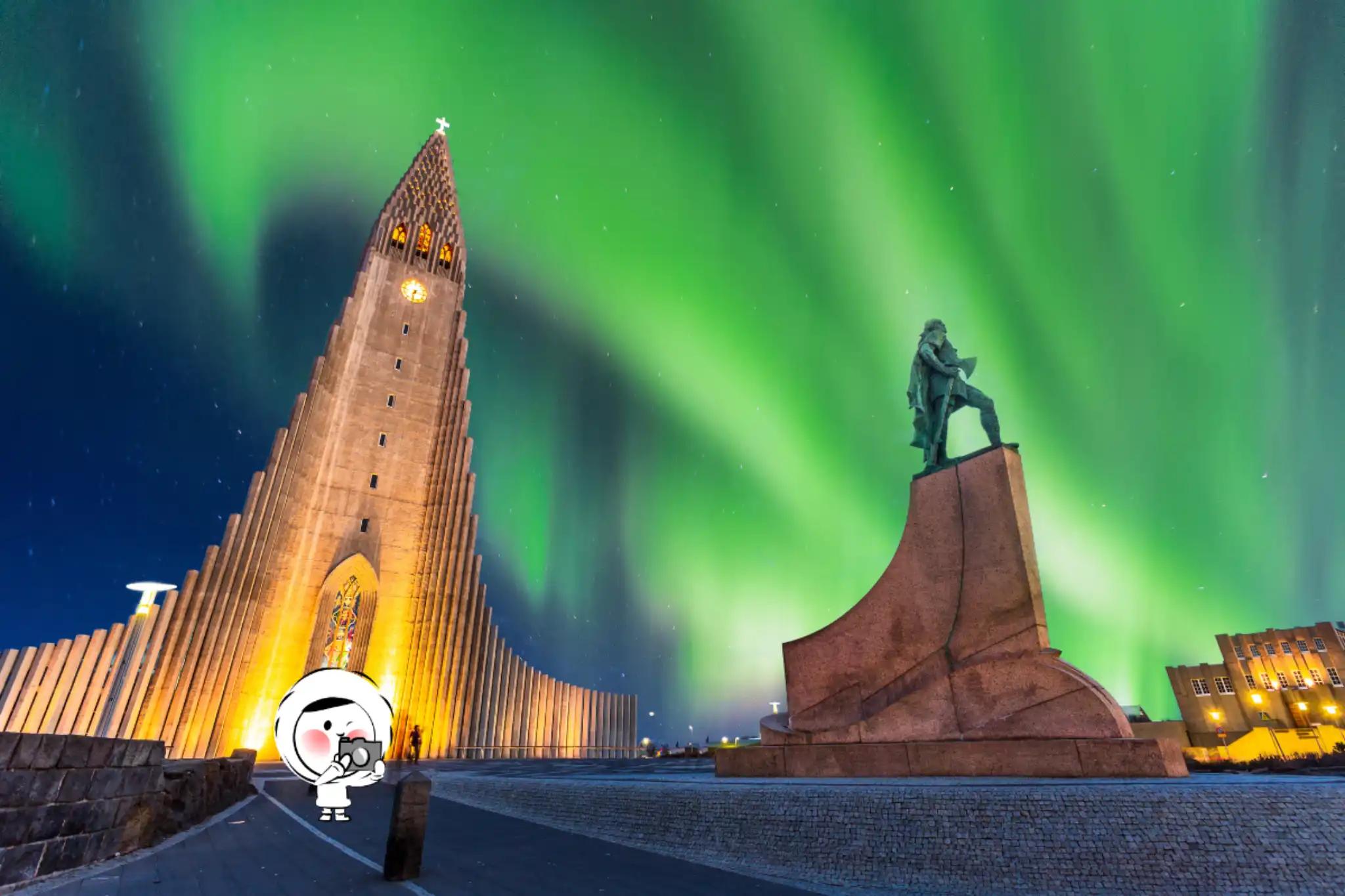
- Autumn (September–October): Fewer tourists, dramatic landscapes, and the return of northern lights.
Public holidays in summer often coincide with Iceland’s busiest travel months.
Staying Connected While Traveling in Iceland
Road trips, changing weather, and remote landscapes make reliable mobile data especially useful in Iceland.
Travelers using an Eskimo Iceland eSIM can stay connected across cities and rural areas without relying on physical SIM cards. Those continuing onward to Europe can also switch easily to regional or global plans.
Across all plans, travelers can:
- Try 500 MB of free global data before purchasing
- Keep unused data when topping up
- Share data with friends or family traveling together
This makes it easier to navigate, check weather updates, and manage bookings while exploring Iceland.
FAQs
How many public holidays are there in Iceland?
Iceland has fewer public holidays than many European countries, with major closures concentrated around Easter, summer, and Christmas.
What is Iceland National Day?
Iceland National Day, celebrated on 17 June, marks the country’s independence and is observed with public events and celebrations nationwide.
Is everything closed on public holidays in Iceland?
No. Tourist services usually remain open, while offices and banks often close or operate with reduced hours.
What is Sumardagurinn fyrsti (First Day of Summer)?
Sumardagurinn fyrsti (First Day of Summer) is a uniquely Icelandic holiday marking the traditional start of summer. It usually falls in April and is celebrated with outdoor events, family activities, and local festivals despite often chilly weather.
What is Verslunarmannahelgi (Trading Day)?
Verslunarmannahelgi (Trading Day) is a long weekend in early August and one of Iceland’s busiest travel periods. Locals travel extensively, festivals take place nationwide, and accommodation prices peak.