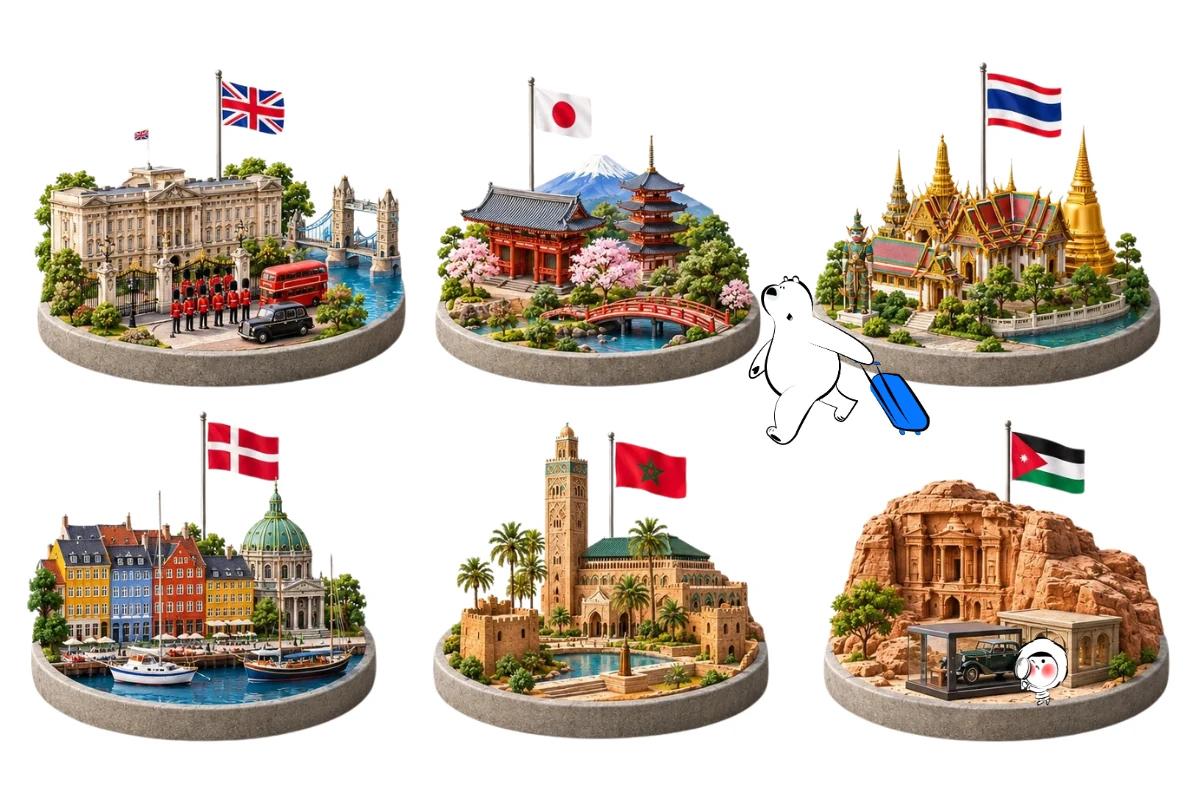

In 2025, global tourism has largely recovered, and outbound travel patterns clearly show which nationalities make the most international trips. Based on total outbound trips rather than population size, Chinese citizens remain the largest source of international travelers in the world, followed closely by travelers from the United States, Germany, the United Kingdom, and India. These nationalities dominate global tourism due to a combination of population size, disposable income, strong passports, and a growing culture of leisure travel.
Nationality That Travels the Most Internationally
1. China
Chinese citizens make the highest number of outbound international trips globally. With a population exceeding 1.4 billion and a growing middle class, international travel has become more accessible and desirable.
2. United States
American travelers are known for taking long international vacations, often ranging from 10 to 21 days. Popular destinations include Europe, Mexico, the Caribbean, and Asia, with travelers valuing comfort, convenience, and well-planned itineraries.
3. Germany
Germany has one of the highest outbound travel rates in Europe, with citizens taking multiple international trips each year. German travelers frequently visit other European countries, Southeast Asia, and the Mediterranean, and they are known for planning trips well in advance and traveling for extended periods.
4. United Kingdom
UK travelers are frequent international travelers, especially within Europe, due to close proximity and affordable flights. Spain, France, Italy, and Greece remain top destinations, with trips usually lasting one to two weeks and often focused on leisure, culture, or family holidays.
5. India (rapidly growing market)
India is one of the fastest-growing outbound travel markets in the world, driven by a rising middle class and increased flight connectivity. Indian travelers commonly visit Southeast Asia, the Middle East, Europe, and Australia, often traveling in family groups or for combined leisure and business purposes.
Most Popular Destinations They Visit
- Asia: Thailand, Japan, South Korea, Singapore, Vietnam
- Europe: France, Italy, Germany, Switzerland
- Oceania: Australia and New Zealand
- North America: United States and Canada
How Long They Usually Travel
The length of trips varies depending on distance and purpose. Typical travel duration:
- Short-haul trips (Asia): 4 to 7 days
- Long-haul trips (Europe or America): 10 to 14 days
- Luxury or multi-country trips: Up to 21 days
Holiday periods such as Chinese New Year and Golden Week strongly influence travel length.
Get Eskimo eSIM to stay connected globally
Need internet? Here's what we recommend:

Fixed data plans
- No speed reduction
- No expiry, keep your data forever
- Transfer data to anyone
- Personal hotspot


Age Range of Travelers
The majority of international travelers fall within the 25 to 44 age group, but travel demographics are expanding. Main age groups:
- 25–34 years: Young professionals, solo travelers, couples
- 35–44 years: Families and business travelers
- 45–60+ years: Leisure, cultural, and group tours
Younger travelers prefer independent trips, while older travelers often choose guided tours.
How They Travel
Travel styles have evolved significantly in recent years. Common travel methods:
- Full-service airlines and budget airlines
- Independent travel rather than group tours
- Booking online through apps and digital platforms
- Heavy reliance on smartphones for navigation, payment, and communication
The Most Important Things They Bring While Traveling
Modern travelers prioritize connectivity and convenience. Most essential travel items:
- Smartphone
- Internet access (eSIM or international data)
- Passport and digital travel documents
- Credit cards and mobile payment apps
- Comfortable clothing and power adapters
Among these, reliable internet access has become one of the most important tools for navigation, communication, bookings, and sharing travel experiences. Fortunately, Eskimo eSIM offers a free trial of 500MB of global data, which you can use in 109 countries. The data is valid for two years, and you can read more information here.
FAQs
Why has international travel grown so rapidly in recent years?
International travel growth is driven by better flight connectivity, more affordable airfare, digital booking platforms, and relaxed visa policies between countries, making travel easier than ever.
Do outbound travelers prefer traveling alone or with companions?
Most travelers prefer traveling with partners, friends, or family, but solo travel is growing fast, especially among younger generations seeking flexibility and personal experiences.
Are business trips still a major reason for international travel?
Yes, business travel remains important, especially for travelers from large economies, but leisure travel now dominates as people prioritize experiences, wellness, and lifestyle trips.
What factors matter most when travelers choose a travel service or brand?
Travelers value ease of use, transparent pricing, global coverage, and customer support, especially services that help them stay connected and stress free throughout their journey.