
When exploring a new country, choosing between renting a car or a motorbike can shape your entire travel experience. Each option comes with its own requirements, safety considerations, road conditions, and ideal destinations. Understanding these factors will help you decide which is more suitable for your trip.
What You Need to Rent
Most countries require:
- A valid passport
- A driver’s license from your home country
- An International Driving Permit (IDP), essential in many Asian and European countries
- A security deposit (cash or credit card)
- Sometimes minimum age requirements (usually 18–21 for motorbikes, 23–25 for cars)
Where Tourists Usually Rent Motorbikes
Motorbikes are extremely popular in:
- Thailand: Cities like Chiang Mai, Phuket, and Krabi are filled with rental shops.
- Vietnam: Hanoi, Da Nang, and Hoi An are known for cheap daily rentals and easy mobility.
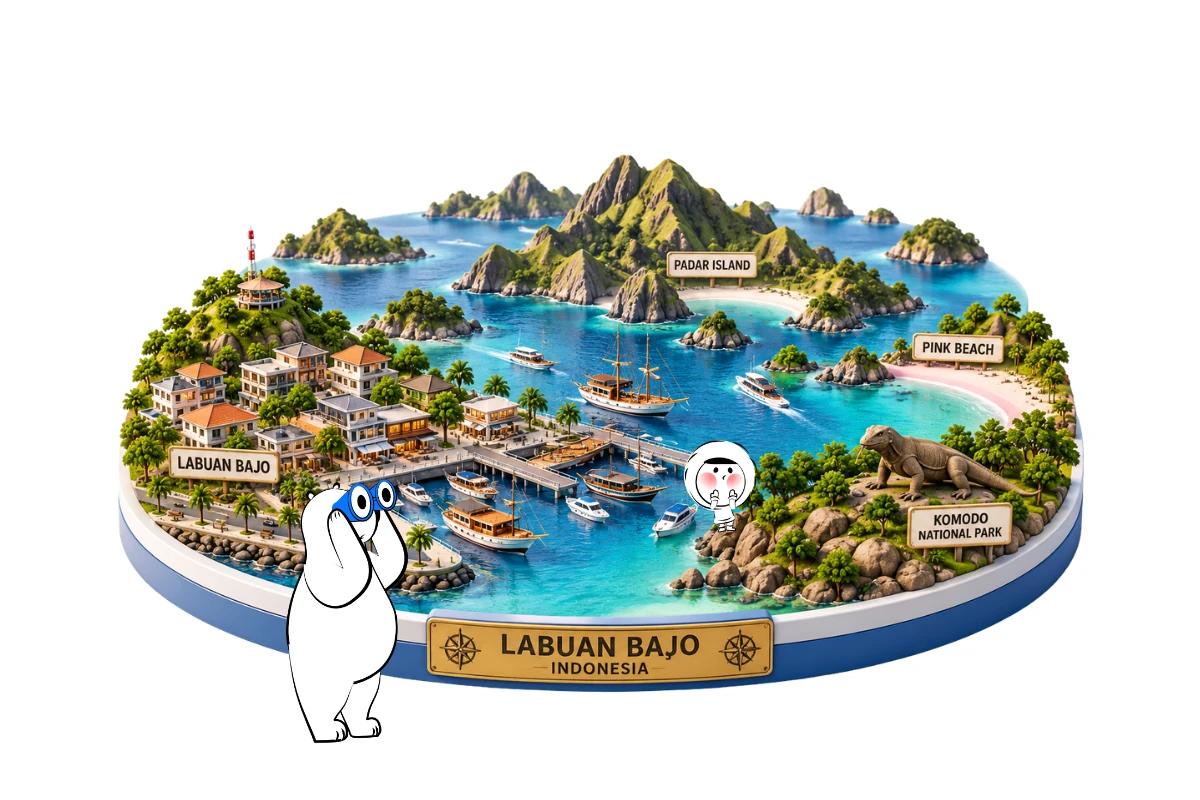
- Bali, Indonesia: Scooters are the main way to move around narrow streets and traffic-heavy areas.
- Laos & Cambodia: Budget travelers prefer scooters for rural exploration.
Motorbikes are popular in Southeast Asia because roads can be narrow, traffic is busy, and scooters make it easier to move through congested areas.
Where Tourists Usually Rent Cars
Car rentals make more sense in:
- USA & Canada: Wide highways, long-distance travel, and national parks.
- Australia & New Zealand: Road trips like the Great Ocean Road or South Island exploration.
- Europe (Italy, France, Spain, Portugal): Renting a car is ideal for countryside, vineyards, lakes, and small towns not covered by public transport.
- Japan & South Korea: Less common, but useful in rural regions like Hokkaido or Jeju Island.
Get Eskimo eSIM to stay connected globally
Need internet? Here's what we recommend:

Fixed data plans
- No speed reduction
- No expiry, keep your data forever
- Transfer data to anyone
- Personal hotspot


Road Situation & Safety
Motorbike-friendly countries (Thailand, Vietnam, Indonesia):
- Traffic can be chaotic.
- Drivers must be extra cautious.
- Helmets are mandatory.
- Roads are a mix of good highways and uneven village roads.
- Recommendation: Only rent if you’re confident riding; avoid night driving; always take travel insurance.
Car-friendly countries (USA, Europe, Australia, NZ):
- Roads are well-maintained.
- Driving rules are strict and clear.
- Parking in major cities may be expensive.
- Recommendation: Great for families and long trips; check if the country drives on the left or right side.
Is It Safe?
- Renting a car is generally safer than a motorbike.
- Motorbike accidents are common in Southeast Asia, especially with inexperienced riders.
- Safety highly depends on your skills, road discipline, and weather conditions.
Price Per Day (Approximately)
Motorbike / Scooter:
- Thailand: $6–$12/day
- Vietnam: $5–$10/day
- Indonesia (Bali): $7–$12/day
- Laos/Cambodia: $6–$10/day
Car Rental:
- USA/Canada: $35–$60/day
- Europe: $40–$70/day
- Australia/NZ: $35–$55/day
- Japan/Korea: $45–$80/day
- Thailand/Vietnam: $25–$45/day
Navigating When Renting a Car or Motorbike
Finding your way in a new country can be challenging, but the right navigation tools make your trip smoother and safer. Here are key tips to help you navigate confidently on the road:
- Motorbike riders should use phone mounts and waterproof cases for safe navigation.
- Use apps like Google Maps, Maps.me, or Waze for real-time guidance.
- In rural areas, don’t hesitate to ask locals for directions when maps are inaccurate.
- Navigating requires internet data. Today, many travelers use eSIMs because of their convenience, such as Eskimo eSIM which works in 140+ countries. Eskimo also offers free 500 MB of global data as a trial for you to use while navigating during your trip.
FAQs
Do rental companies usually include insurance, or do I need to buy it separately?
Most rental shops offer basic insurance, but it often covers only limited damage.
What fuel costs should I expect when renting?
Fuel prices vary widely by region, but motorbikes naturally use much less fuel compared to cars.
How do I avoid scams or unfair charges from rental companies?
Always take photos or videos of the vehicle before driving it. Check for scratches, dents, tire conditions, and fuel levels. Reputable shops provide written agreements and transparent pricing.