
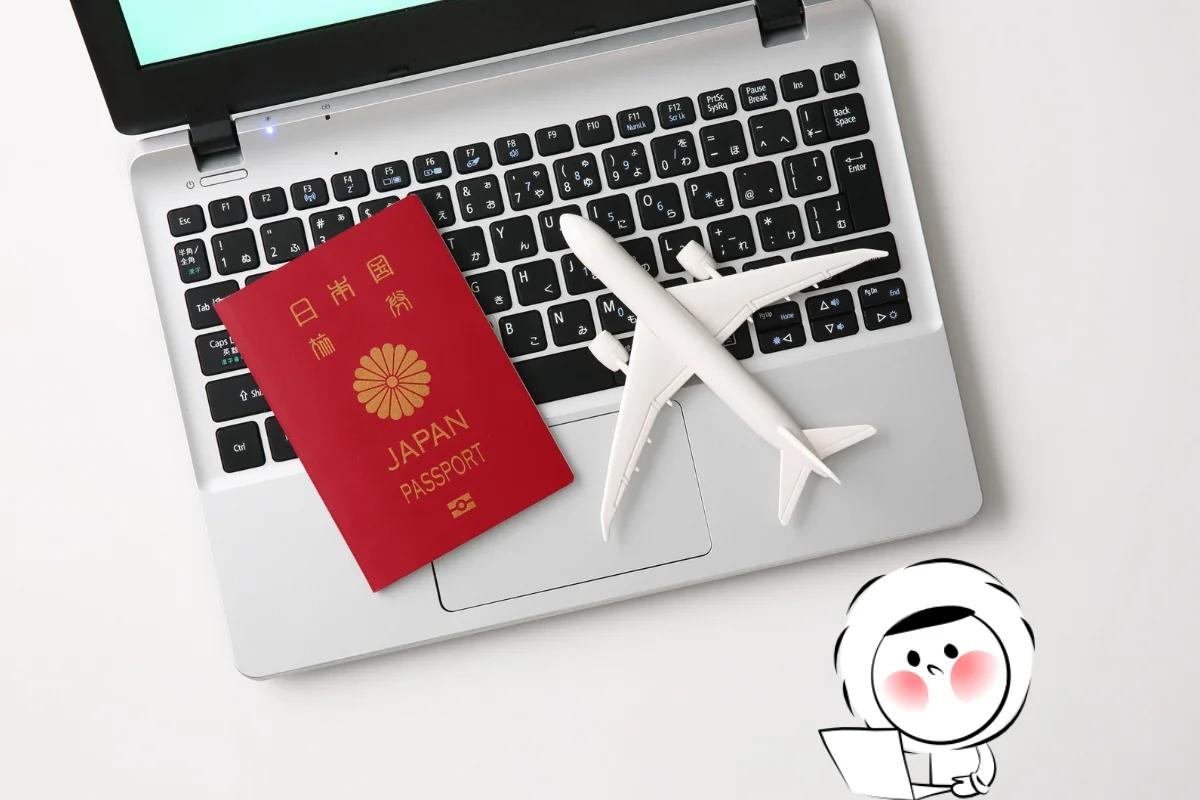
A biometric passport is a passport with an embedded electronic chip that stores identity data and a biometric identifier, usually a digital facial image. It is also called an ePassport. For travelers, the key point is simple: it can affect how your passport is checked, whether you can use some automated border systems, and whether your document meets the requirements for certain entry programs. ICAO says ePassports add security by embedding an electronic chip in the passport booklet, and more than 140 states and non-state entities now issue them.
What Is a Biometric Passport?
A biometric passport looks like a regular passport, but it includes a chip inside the booklet. That chip stores the same biographical information shown on the passport data page, along with a digital security feature that helps confirm the passport is genuine. ICAO describes this as an added security layer on top of a traditional non-electronic passport. In practical terms, it is a standard passport with extra technology built in for safer identity checks.
Why Does a Biometric Passport Matter for Travel?
For most people, a biometric passport matters at the airport and at border control. In some destinations, eligible travelers can use eGates or other automated systems to move through passport checks more quickly. In others, an ePassport may be required for a specific entry program. For example, the U.S. requires an e-Passport for travelers using the Visa Waiver Program, but that is one example, not a global rule. Requirements still vary by destination and nationality.
That is why this topic matters for travel. A biometric passport is not just a technical feature. It can affect how smoothly you enter a country and whether your documents meet the rules for your trip.
How Does a Biometric Passport Work?
When a compatible border system reads the passport, it can check the chip against the document and the person presenting it. ICAO explains that the chip includes a country-specific digital signature, which can be validated to confirm the passport was genuinely issued and has not been altered.
For travelers, the important part is simpler than the tech. The chip helps border systems verify that the passport is authentic and that the information has not been tampered with.
What Information Is Stored in a Biometric Passport?
A biometric passport usually stores:
- The same personal details shown on the passport data page
- A digital version of the passport photo
- Security data used to verify the passport and its chip
It is best not to overstate this beyond what is broadly true. Some countries may use additional biometric systems, but that is not a safe universal claim for every passport everywhere. ICAO’s baseline explanation centers on identity data and digital security features, while DHS explains that e-Passports also contain a biometric identifier such as a digital photograph.
How To Tell If Your Passport Is Biometric
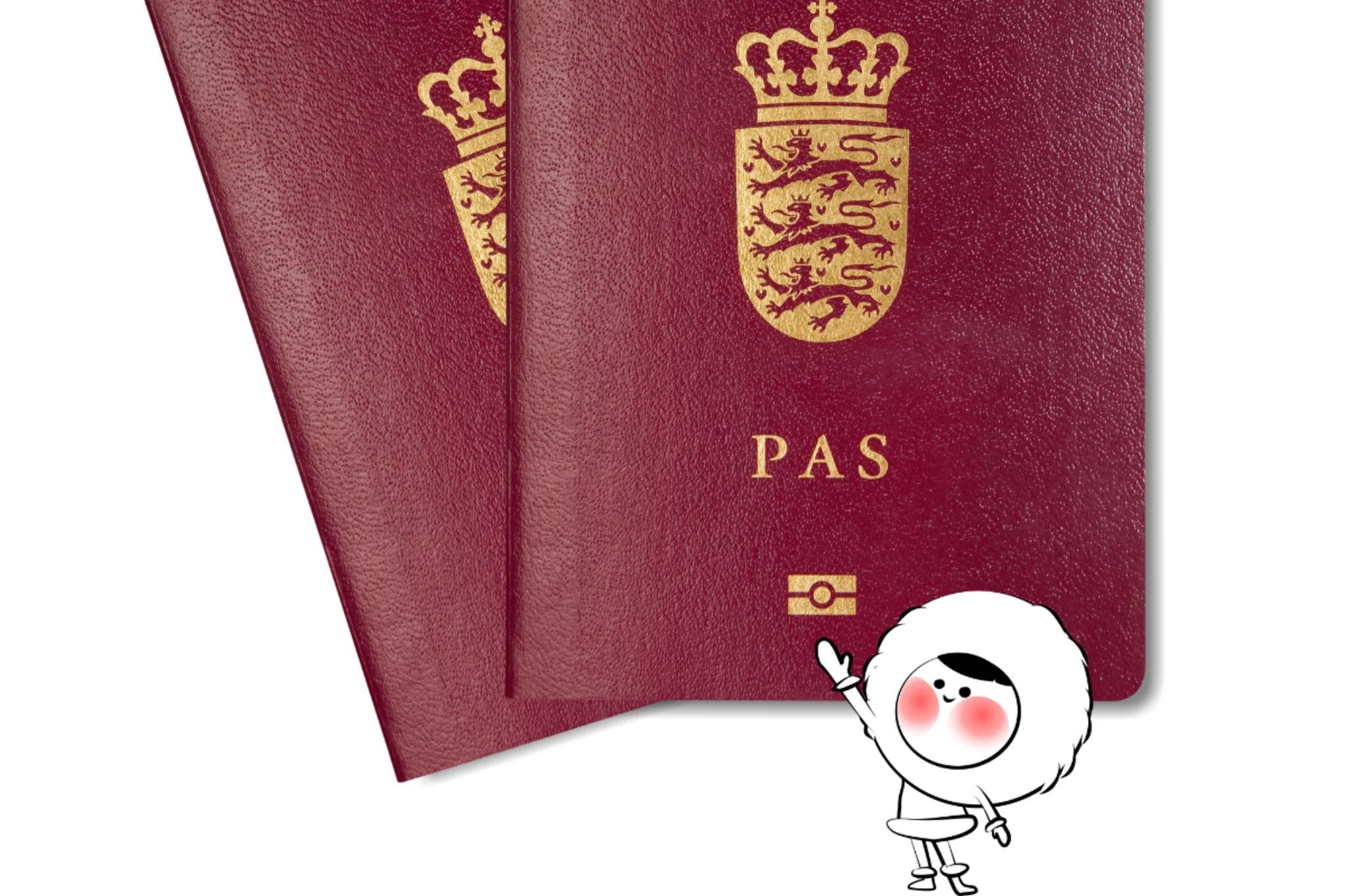
The easiest sign is the ePassport symbol on the cover. Many countries use that symbol to show that the passport contains an electronic chip. If you are not sure, the safest option is to check with your passport issuer or its official guidance.
This is one of the most useful checks before an international trip, especially if your passport was issued several years ago and you are not sure what type it is.
What Is the Biometric Page of a Passport?
This term can be confusing. In many cases, people use biometric page to mean the passport data page, the page with your photo, name, passport number, and other personal details. DHS explains that the e-Passport chip contains the same core information that is printed on that page.
So the two are related, but they are not the same thing. The data page is printed and visible. The biometric component is the chip inside the passport.
Do You Need a Biometric Passport for Your Trip?
Not always. Whether you need one depends on your nationality, your destination, and the travel scheme you are using. Some countries and programs require an ePassport, while others do not. The U.S. Visa Waiver Program is one example of a scheme that requires one for eligible travelers.
The safest approach is to check official entry requirements before you fly. A biometric passport can matter for eligibility, but the rules are not universal.
What Can a Biometric Passport Help With?
The biggest benefits are practical:
- Better security: the chip and digital signature make the passport harder to tamper with or counterfeit.
- Smoother border processing in some places: eligible travelers may be able to use eGates or automated passport control systems where available. GOV.UK says eligible biometric passport holders can use self-service eGates in the UK, but travelers may still be referred to an officer.
- Access to certain entry programs: some travel schemes require an ePassport rather than a non-electronic passport.
This does not mean a biometric passport guarantees faster entry everywhere. It means it can make processing easier in places that support it and for travelers who meet the rules.
Get Eskimo eSIM to stay connected globally
Need internet while travelling? Here's what we recommend:

Fixed data plans
- No speed reduction
- No expiry, keep your data forever
- Transfer data to anyone
- Personal hotspot


What Travelers Should Check Before Flying
Before an international trip, it is worth checking:
- Whether your passport is biometric
- Whether your passport is still valid for your destination
- Whether your destination or travel program requires an ePassport
- Whether your passport is damaged or badly worn
A biometric passport can help with modern border systems, but it still needs to be valid and in good condition. Damaged passports can lead to delays or extra checks. GOV.UK notes that even eligible travelers can be referred away from eGates, which is another reminder that document conditions and eligibility still matter.
How To Take Care of a Biometric Passport
Because it contains an electronic chip, it is best to handle it carefully.
Try to:
- Keep it dry
- Avoid bending or folding it
- Protect the cover and data page from damage
If the chip or booklet is damaged, border processing may become more difficult. Official border guidance also notes that damaged passports may result in additional checks.
This is also a good place to remind readers to check general travel basics before departure, including passport validity and destination-specific entry rules. That keeps the article useful without drifting into a separate passport-validity topic.
A Simpler Way To Stay Ready for International Travel
A biometric passport can help make travel more secure and, in some cases, smoother. But once you land, you still need access to maps, booking details, ride apps, and messages.
That is where Eskimo’s Global Plan fits naturally. It gives travelers a simple way to get online quickly without swapping physical SIM cards between destinations. For this kind of trip, instant activation makes things easier when you just want to move through the airport and get on with your day.
New Eskimo users also get free 500MB of Global Data, valid for 2 years.
FAQ
What is a biometric passport?
A biometric passport is an ePassport with an embedded chip that stores identity data and a biometric identifier, usually a digital facial image.
Is a biometric passport the same as an ePassport?
Yes. In most travel contexts, the two terms mean the same thing.
What is the biometric page of a passport?
Usually, people mean the passport data page with the holder’s photo and personal details.
How do I know if my passport is biometric?
Check for the ePassport symbol on the cover and confirm with your passport issuer if needed.
Do you need a biometric passport to travel?
Not for every trip, but some countries and travel programs do require one.
Can a biometric passport be tracked?
No. It is not a GPS tracker. Its chip is used for identity and document verification.