
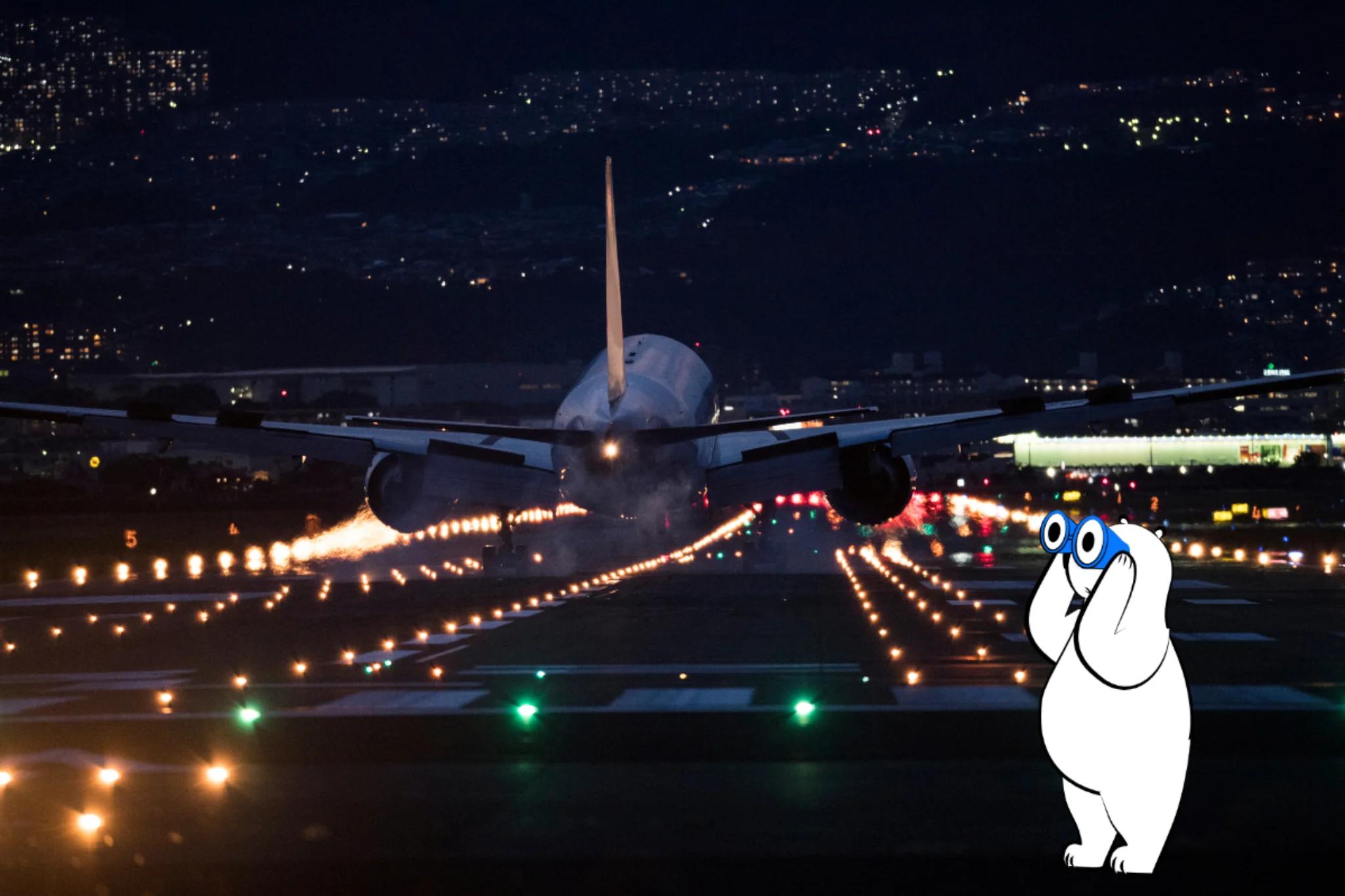
A red eye flight is an overnight flight that departs late at night and arrives the next morning, commonly on overnight routes, often several hours long. Travelers often choose a red eye flight to save time, arrive early, or make the most of a short trip.
Why Is It Called A Red Eye Flight?
It is called a red eye flight because passengers often arrive tired, groggy, and short on sleep. After a late-night flight, many people land with red or irritated eyes from sleeping badly, or not sleeping at all.
When Is A Flight Considered A Red Eye?
Not every late flight counts as a red eye flight. In most cases, the term refers to a flight that leaves late at night, crosses midnight, and lands early the next morning.
These flights are usually long enough to function like an overnight trip rather than a short evening flight. There is no single official industry cutoff, so it is safer to think of a red eye flight as a late-night flight defined more by its overnight timing than by one exact duration.
Why Do Travelers Choose Red Eye Flights?
Red eye flights are popular because they can make travel feel more efficient. Instead of spending daytime hours in transit, travelers fly overnight and arrive the next morning.
That can be useful for short trips, work travel, or schedules where an early arrival matters. In some cases, a red eye can also help you avoid paying for an extra hotel night. Prices can sometimes be lower too, but that depends on the route, airline, and demand, so it should not be treated as a guaranteed rule.
If your trip crosses time zones, it also helps to think ahead about rest and recovery. A red eye may save time on paper, but it can still leave you feeling off-balance once you land.
Red Eye Flight Pros Vs Cons
| PROS | CONS |
| Saves daytime travel hours | Hard to sleep well on the plane |
| Can help you arrive early | You may feel tired on arrival |
| May reduce the need for an extra hotel night | Your first day may feel less productive |
| Useful for short trips or business travel | Overnight travel can feel more physically draining |
Who Should Take A Red Eye Flight?
A red eye flight can make sense for travelers who want to maximize their time at the destination. It often works well for short getaways, business trips, or itineraries where arriving early is more important than arriving fully rested.
It may also suit travelers who sleep reasonably well on planes or who have a light schedule on the day they land.
Who May Want To Avoid A Red Eye Flight?
A red eye is not the best fit for everyone. If you rarely sleep on planes, feel rough after interrupted sleep, or need to be sharp as soon as you arrive, it may not be worth it.
It can also be harder for families with very young children, travelers with a packed first day, or anyone landing early without a clear plan for transport, hotel check-in, or rest.
Red Eye Flight Essentials
A few basics can make an overnight flight more manageable. The goal is not to overpack, but to bring the small items that improve comfort and help you land feeling less worn out.
- Neck pillow: Helps support your head if you plan to sleep.
- Eye mask: Useful when cabin lights or nearby screens are distracting.
- Earplugs or headphones: Helps cut down cabin noise.
- Light layer: Cabins often feel cooler at night.
- Water bottle: Helps you stay hydrated through the flight.
- Toothbrush or face wipes: Small, but helpful if you want to feel fresher on arrival.
Get Eskimo eSIM to stay connected globally
Need internet? Here's what we recommend:

Fixed data plans
- No speed reduction
- No expiry, keep your data forever
- Transfer data to anyone
- Personal hotspot


How To Prepare For A Red Eye Flight
Pick a seat that gives you the best chance of sleeping
If sleeping matters, choose your seat carefully. Many travelers prefer a window seat on a red eye flight because it offers more support and fewer interruptions from people getting up during the night.
Keep your first day light
Try not to plan an intense arrival morning if you can avoid it. A red eye may help you save time, but it does not always leave you feeling rested. Giving yourself a lighter first day can make the trip easier overall.
Eat and hydrate carefully before boarding
A heavy meal right before takeoff may leave you feeling uncomfortable, especially if you are trying to rest. Staying hydrated and keeping things simple tends to work better on overnight flights.
Get your essentials ready before takeoff
Keep your eye mask, headphones, charger, water, and any other sleep items within easy reach. It is much easier to settle in when you are not opening the overhead bin halfway through the flight.
Plan your arrival before you land
This matters more on a red eye flight than on a midday arrival. Think about how you will get from the airport, whether your hotel can take early luggage, and what you will do if you arrive before check-in.
If you cross time zones, expect some recovery time
A red eye flight and jet lag are not the same thing, but they can overlap. If your flight lands after an overnight journey and a time change, you may need more recovery time than you expect.
Are Red Eye Flights Worth It?
A red eye flight can be worth it if saving time matters more than comfort. For short trips, early meetings, or schedules where you want to use the next day fully, it can be a smart option.
But if you know you do not sleep well on planes, or if you need to be fully alert as soon as you land, the trade-off may not be worth it. The best choice depends on whether you value time savings more than sleep and ease.
Land Early, Stay Connected
A red eye flight often means landing at an awkward hour, when you still need to book a ride, message your hotel, check directions, or confirm your next transfer. That is exactly when having data ready can make the morning much smoother.
If you are landing before airport SIM shops open, Eskimo’s Global Plan is an easy fit for this kind of trip. Eskimo highlights instant setup and a single travel eSIM that works across destinations without repeated SIM swapping, which is useful when you want to connect as soon as you touch down. New users also get free 500MB of Global Data, valid for 2 years.
FAQs
Are red eye flights cheaper?
Sometimes, but not always. A red eye flight can be cheaper on some routes, especially when demand is lower, but price depends on the airline, date, season, and competition on that route.
Can you sleep on a red eye flight?
Some people can, especially if they are tired enough and have the right setup. Others barely sleep at all. Seat choice, cabin noise, flight length, and personal sleep habits all make a difference.
What should you bring on a red eye flight?
The most useful red eye flight essentials are usually a neck pillow, eye mask, headphones or earplugs, a light layer, water, and a few small items to freshen up before landing.
Is a red eye flight good for short trips?
It can be. A red eye flight can help you protect daytime hours and arrive early, which is often useful on short trips. It makes the most sense if you can still function well after a night of limited sleep.