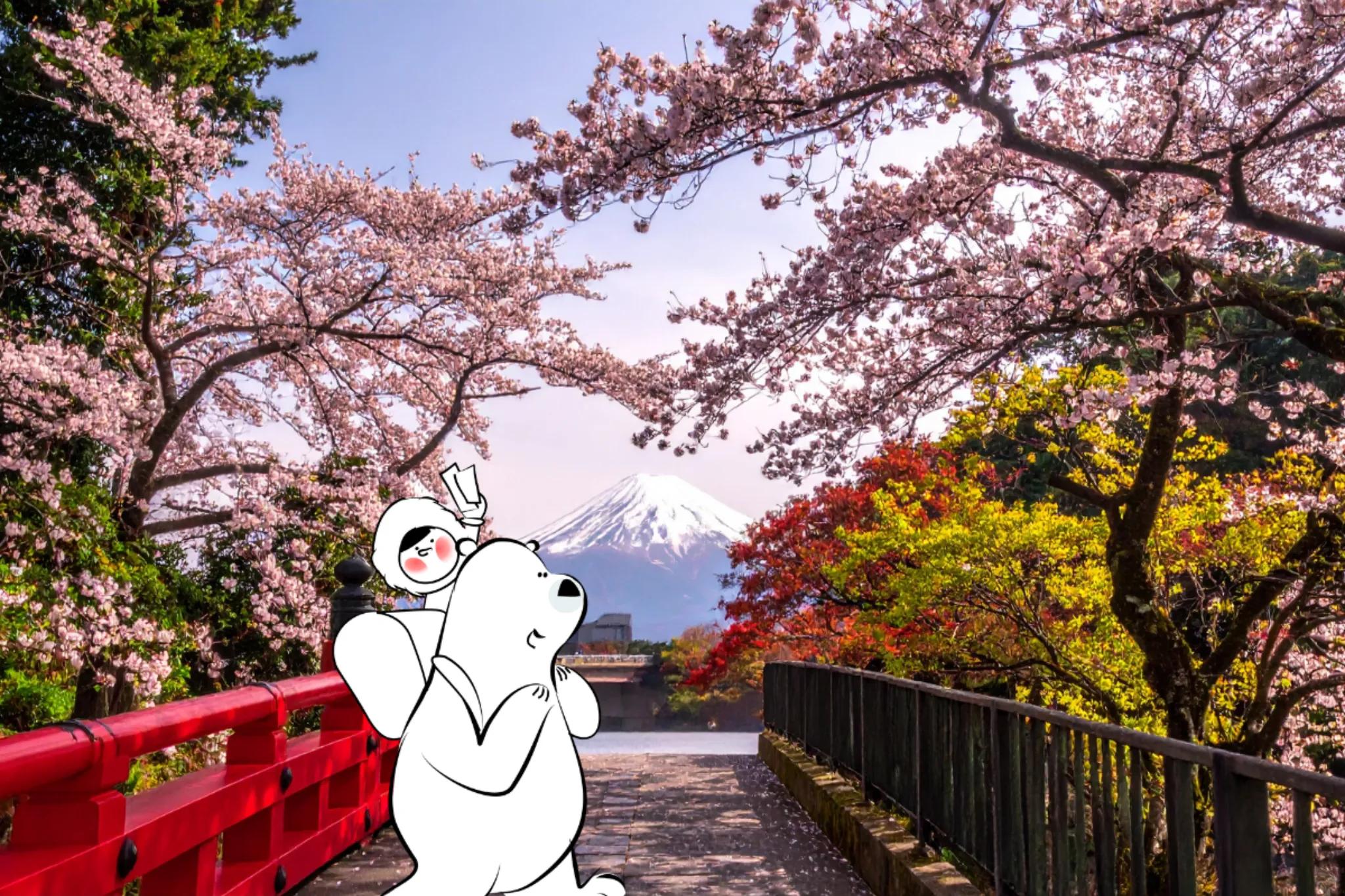
Planning a spring getaway to see the sakura? Finding out when is cherry blossom season in Japan is usually the first step for every traveler dreaming of those iconic pink landscapes. For 2026, the Japanese cherry blossom season is expected to arrive earlier than usual due to warmer spring temperatures. In major cities like Tokyo and Kyoto, the bloom is predicted to start in mid-March, with full bloom following about a week later. To experience the peak of the sakura-zensen (cherry blossom front), you should aim for the last week of March in central Japan.
2026 Forecast: Catching the Sakura-zensen
The Japanese cherry blossom festival atmosphere follows a predictable wave from the warm southern regions of Kyushu up to the cooler northern landscapes of Hokkaido. For 2026, experts anticipate a faster progression, with many cities blooming 5 to 7 days earlier than the historical average. Monitoring the kaika (first bloom) and mankai (full bloom) dates is essential for any traveler to time their visit perfectly.
| Region | City | Estimated First Bloom | Estimated Full Bloom |
| Kanto | Tokyo | March 17 | March 25 |
| Kansai | Kyoto | March 21 | March 31 |
| Kansai | Osaka | March 23 | April 1 |
| Kyushu | Fukuoka | March 18 | March 28 |
| Tohoku | Sendai | April 2 | April 7 |
| Hokkaido | Sapporo | April 24 | April 29 |
While these are general estimates, the window for when the peak cherry blossom season in Japan typically lasts only five to seven days. Weather conditions like heavy rain or strong winds can shorten this period significantly, so flexibility in your schedule is key.
Iconic Spots for 2026 Sakura Viewing
Japan offers thousands of viewing locations, but certain spots are considered legendary for their history and scenery.
1. Tokyo: Chidorigafuchi Moat
Located near the Imperial Palace, this is one of the most photographed spots for Tokyo cherry blossoms. Hundreds of Japanese cherry blossom tree varieties line the water, creating a stunning tunnel of petals. Visitors can rent rowboats to navigate the moat, but note that in 2026, many parks are using digital queuing systems to manage high crowd volumes.
2. Kyoto: The Philosopher’s Path
This stone path follows a canal in the northern part of Kyoto's Higashiyama district. Lined with hundreds of trees, the path offers a quiet atmosphere that embodies the Japanese concept of Zen. It is a perfect location for a morning walk, reflecting the philosophy of mono no aware, the bittersweet appreciation of the fleeting nature of beauty.
3. Nara: Mt. Yoshino
For those seeking a massive scale, Mt. Yoshino is home to over 30,000 cherry trees. Because the trees are planted at different elevations, the blooming season here lasts longer than in the flat city centers. The view from the top overlooking the pink-covered slopes is often cited as the best in Japan.
4. Aomori: Hirosaki Castle
Famous for the hana-ikada (flower rafts), Hirosaki Castle is a must-visit in late April. As the petals fall, they completely coat the castle moat in a thick carpet of pink, creating a stunning visual that is perfect for photography.
Get Eskimo eSIM to stay connected in Japan
Need internet in Japan? Here's what we recommend:

Fixed data plans
- No speed reduction
- No expiry, keep your data forever
- Transfer data to anyone
- Personal hotspot



Unlimited data plans
- Unlimited day pass
- Daily 3GB high-speed + 1Mbps unlimited after
- Personal hotspot


Hanami Etiquette: Viewing Like a Local
What is hanami? It is the traditional custom of enjoying the transient beauty of flowers, usually involving picnics and social gatherings under the trees. To be a respectful guest, follow these essential unwritten rules:
- Look, don't touch: Shaking branches or picking blossoms is a major taboo, as the trees are extremely fragile.
- Trash is your responsibility: Most Japanese parks do not have many trash cans, so always bring a bag to carry your garbage back to your hotel.
- The "Blue Sheet" rule: Locals use blue plastic tarps to reserve spots. Never step on someone else's mat with your shoes on; treat the mat like a Japanese home.
- Try the seasonal treats: Look for Hanami Dango and Sakura Mochi, which are widely available during this window.
Unique 2026 Trends
Technology and sustainability are playing a larger role in how Japan celebrates the 2026 season.
1. Yozakura and digital art
Viewing cherry blossoms at night, known as yozakura, has evolved into a high-tech experience. Many parks in Tokyo and Kyoto are using advanced LED projection to create digital art blends with real blossoms, often using carbon-neutral energy sources.
2. Managing overtourism
Due to extreme overtourism, some popular festivals have faced cancellations or new restrictions. Travelers are encouraged to find ana-ba (hidden gems) like Yanaka Cemetery or Koganei Park to avoid the massive 2026 crowds.
3. Early and late bloomers
If you miss the main window, the Kawazu-zakura in Shizuoka blooms as early as February. Conversely, Yaezakura (multi-layered petals) often bloom two weeks later than the standard variety, extending the season for late arrivals.
Remaining Connected During Your Trip
Navigating Japan during the busy spring season requires real-time access to transit apps and translation tools. High-speed data is essential for checking live bloom updates and managing digital tickets for popular parks.
Using a Japan eSIM allows you to avoid the hassle of physical SIM cards or expensive roaming fees. You can install your data plan before you land, ensuring you have an immediate connection at the airport. Eskimo offers flexible data plans that work across all major Japanese networks, providing reliable coverage from the streets of Tokyo to the mountains of Nara.
If you are new to the service, you can start with a free 500MB global data trial to test the connection. This ensures you can share your best sakura photos instantly without worrying about finding public Wi-Fi.
FAQs
When is cherry blossom season in Japan?
The season generally runs from late March to early April in central cities like Tokyo and Kyoto, moving north to Hokkaido by late April.
What is hanami?
Hanami is the Japanese tradition of flower viewing, often involving outdoor parties and picnics under blooming cherry trees.
Are there entry fees for cherry blossom parks?
While many public parks are free, famous spots like Shinjuku Gyoen or specific castle grounds require a small entry fee, typically between 300 and 500 yen.