The least ideal time to visit Thailand depends on the kind of trip you want. For many travelers, the months that need the most caution are March to May for extreme heat, March and early April in the north for the smoke season, and parts of the monsoon season if your trip depends on ferries, beaches, or outdoor sightseeing.
That does not mean Thailand should be avoided outright during those periods. It means some months are simply a worse fit for certain travel styles. A Bangkok city break, a Chiang Mai mountain trip, and an island-hopping holiday do not share the same risk calendar.
When to avoid visiting Thailand
If you want the shortest answer, the hardest times to plan around are usually:
- March to May if you dislike intense heat
- March and early April if your trip focuses on Chiang Mai or Northern Thailand
- September to October if you want the easiest all-around trip and do not want to deal with heavier monsoon disruption
These months are not automatically terrible. They are simply the periods when more travelers run into the trade-offs that make a trip feel harder than it needs to be.
When the heat makes Thailand harder to enjoy
For many travelers, the least comfortable part of the year is not the wettest month. It is one of the hottest ones.
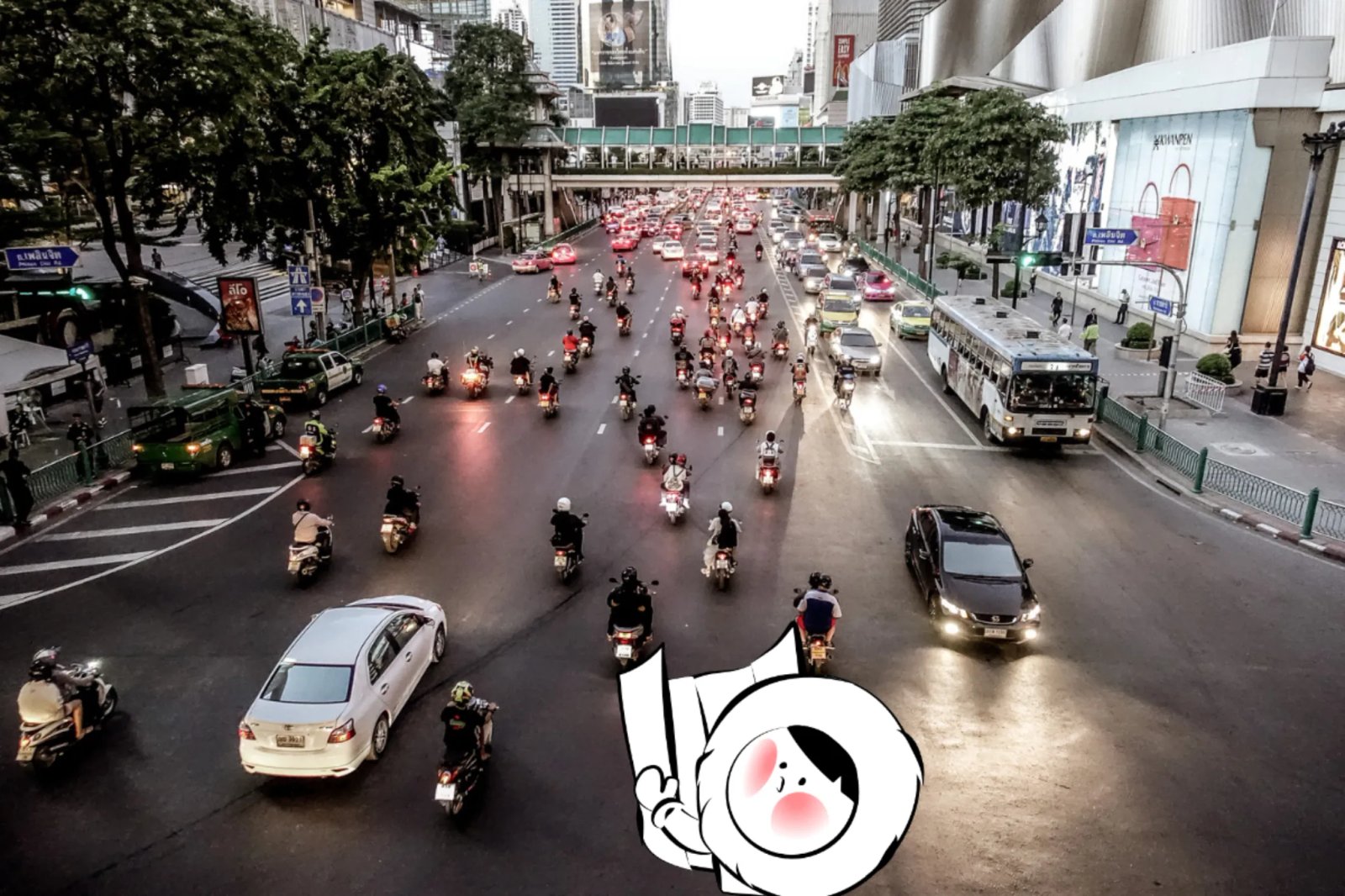
This matters most for trips built around walking, markets, temple visits, and long sightseeing days. Bangkok can feel especially draining when the heat and humidity combine, and northern cities are not immune either. If you know you do not enjoy intense heat, March to May is the window to consider twice, especially for city-heavy itineraries.
Who should avoid the hottest months
The hot season is less ideal if your trip depends on:
- Long outdoor sightseeing days
- Walking-heavy itineraries in Bangkok
- Temple hopping in the middle of the day
- Road trips with a lot of outdoor stops
- Travel comfort over budget savings
If your priority is lower prices and you are comfortable planning around heat, these months can still work. But if comfort is your top priority, they are usually not the easiest time to go.
Smoke season in Northern Thailand
One of the clearest answers to when to avoid visiting Thailand is this: be careful in Northern Thailand in March and early April if your trip depends on clear air, mountain views, or time outdoors.
This is especially important because the smoke season affects the kind of trip many people want from the north: scenic drives, cool mornings, viewpoints, trekking, and café days in the hills. If that is your plan, this is one of the strongest cases for postponing or rerouting the trip.
Trips most affected by the smoke season
Smoke season is most frustrating if you are planning:
- Chiang Mai for mountain views
- Chiang Rai or wider northern road trips
- Trekking or outdoor viewpoints
- Slow travel is built around cooler weather and scenery
Get Eskimo eSIM to stay connected in Thailand
Need internet in Thailand? Here's what we recommend:

Fixed data plans
- No speed reduction
- No expiry, keep your data forever
- Transfer data to anyone
- Personal hotspot
Unlimited data plans
- Unlimited day pass
- Daily 3GB high-speed + 1Mbps unlimited after
- Personal hotspot
Monsoon season in Thailand
Thailand’s rainy season is not automatically a bad time to travel. For some travelers, it can still be a smart time to go because prices may be lower and crowds lighter.
The bigger issue is disruption. During stronger monsoon periods, rougher seas, flash floods, and heavier rain can affect ferries, beach plans, island-hopping, and tightly scheduled outdoor routes. That is what makes some months harder for certain kinds of trips.
The rainy season is not bad for every trip
This is where nuance matters. The rainy season in Thailand is not automatically a bad time to travel.
Some travelers are happy to trade perfect weather for lower prices, greener landscapes, and fewer crowds. The problem is not simply rain. It is how much your itinerary depends on outdoor reliability.
Trips most affected by the monsoon
The monsoon is more likely to cause problems if your trip depends on:
- Island-hopping
- Ferries and boat transfers
- Diving or snorkeling
- Beach-heavy itineraries
- Tightly packed outdoor schedules
If your trip is mostly Bangkok, food, museums, cafés, and flexible city plans, the rainy season is often more manageable. If your trip is built around beaches and boats, timing becomes much more important.
Which months need more caution?
If you want a simple planning shortcut, these are the months most likely to feel less ideal:
| Travel concern | Months to treat carefully | Why |
| Extreme heat | March to May | Harder for walking-heavy city trips and outdoor sightseeing |
| Northern smoke season | March and early April | PM2.5 and haze can affect Chiang Mai and surrounding provinces |
| Heavier monsoon disruption | September to October | More likely to affect beaches, ferries, and outdoor comfort |
This table does not mean those months are always a mistake. It means they are the periods when more travelers are likely to run into the trade-offs they did not plan for.
When Thailand still works despite the risks
Even the less ideal months can still work if the trip matches the season.
If you travel in the hotter months, a shorter Bangkok stay with lighter daily plans may still be fine. If you travel in the rainy season, a flexible city itinerary can still be enjoyable. If you travel later in the year, many parts of Thailand become easier again as the rainy season fades and cooler conditions return.
So the goal is not to avoid Thailand entirely. It is to avoid the wrong season for the trip you actually want.
Travel through Thailand with less guesswork
Knowing when to avoid visiting Thailand helps, but day-to-day travel still gets easier when you can check live weather, ride options, ferry updates, hotel messages, maps, and route changes without relying on weak airport Wi-Fi or hunting for a SIM shop after you land.
With instant activation, Eskimo helps you get connected quickly and adjust plans on the move, whether that means rerouting during heavy rain, checking air-quality updates before heading north, or sorting transport changes during shoulder season. If you are new to Eskimo, you also get free 500MB of Global Data, valid for 2 years.
FAQs
When should I avoid visiting Thailand?
The months that need the most caution are usually March to May for heat, March and early April in the north for the smoke season, and September to October if your trip depends on easy outdoor travel.
When is the smoke season in Thailand?
The most important smoke-season concern is in the north, especially around March and early April, when haze and PM2.5 can affect places like Chiang Mai.
Is the rainy season in Thailand bad for travel?
Not always. It is often still fine for flexible city trips, but it is less ideal for beach-heavy itineraries, ferries, and tightly planned outdoor travel during stronger monsoon periods.
Should I avoid Thailand in September or October?
Those months are worth treating carefully if your trip depends on beaches, boats, or easy outdoor travel. They are not automatically a bad time to go, but they usually need more flexibility.