
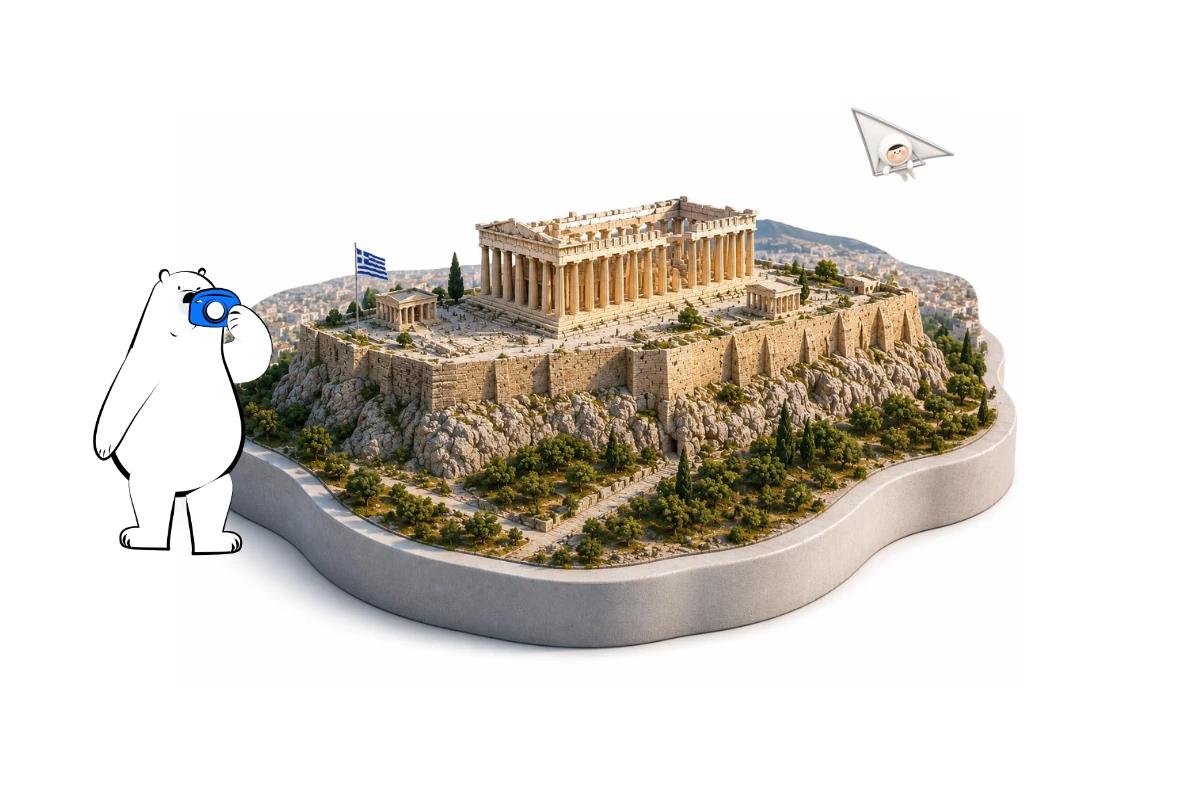
Athens is worth visiting in 2026 because it offers far more than a brief stop before the Greek islands. The city combines the Acropolis, ancient ruins, major museums, lively neighborhoods, Greek food, and straightforward public transport in one compact destination.
For first-time visitors, three or four days is usually enough to experience the main Athens attractions without rushing. History remains the city’s strongest draw, but its markets, cafés, hilltop viewpoints, and evening atmosphere give travelers plenty to enjoy after the archaeological sites close.
Why Athens Is Still Worth Visiting
Athens is one of the world’s oldest continuously inhabited cities, with a history stretching back thousands of years. Its influence on philosophy, theater, politics, architecture, and the development of democracy gives the city a significance that reaches far beyond Greece.
That history is still visible across the modern capital. Ancient temples stand close to apartment buildings, restaurants, shopping streets, and busy public squares. Travelers interested in how historic settlements continue to function today can also explore Eskimo’s overview of the oldest cities in the world you can still visit.
Athens also works well as either a complete city break or the beginning of a wider Greece itinerary. You can spend several days exploring the capital before continuing to destinations such as Santorini, Crete, Mykonos, or the Peloponnese.
Best Things To Do In Athens
The best things to do in Athens begin with its ancient sites, but the city is compact enough to combine history, museums, neighborhoods, food, and viewpoints within the same trip.
Visit the Acropolis and Parthenon
The Acropolis is the most important historical site in Athens. Its monuments include the Parthenon, the Erechtheion, the Temple of Athena Nike, and the Propylaea.
UNESCO describes the Acropolis and its monuments as universal symbols of classical civilization and one of the greatest architectural complexes left by Greek antiquity.
Tickets are sold through the official Greek cultural heritage ticketing system. Entry arrangements, opening hours, and temporary restrictions can change, so check the official Acropolis visitor information before your visit.
Try to visit early in the morning, especially during summer. The hill has limited shade, and extreme heat can occasionally lead to temporary midday closures.
Explore the Acropolis Museum
The Acropolis Museum provides essential context for the monuments on the hill above it. Its collection focuses on objects discovered at the Acropolis and its surrounding slopes, covering periods from ancient Athens through later stages of the site’s history.
The museum is close to the Acropolis entrance, making it practical to visit both on the same day. Check the official Acropolis Museum website for current exhibitions, tickets, and visitor information.
Walk Through Plaka and Anafiotika
Plaka sits below the Acropolis and is one of the most popular areas for first-time visitors. Its lanes contain neoclassical buildings, Byzantine churches, cafés, restaurants, and shops.
Within Plaka, Anafiotika feels quieter and more intimate. Its narrow paths and whitewashed houses create a setting that feels closer to a small Cycladic settlement than the center of a large capital.
Both areas become busy during the day. Early morning and evening walks usually provide a calmer experience.
See The Ancient Agora
The Ancient Agora was the civic and commercial center of classical Athens. It offers a clearer sense of daily ancient life than the monumental setting of the Acropolis.
Important landmarks include the Temple of Hephaestus and the reconstructed Stoa of Attalos. The open archaeological grounds also provide views toward the Acropolis.
Experience Monastiraki and Psirri
Monastiraki is one of the liveliest parts of central Athens. Its square connects shopping streets, markets, archaeological remains, cafés, and transport links.
Nearby Psirri is better known for restaurants, bars, street art, and evening activity. The area once contained many traditional workshops, while modern cafés and creative businesses now share the neighborhood with older trades.
Together, Monastiraki and Psirri show a more energetic side of Athens than the quieter lanes around Plaka.
Watch The Sunset From Athenian Hills
Athens has several elevated viewpoints overlooking the city. Lycabettus Hill provides one of the widest panoramas, while Philopappos Hill offers excellent views toward the Acropolis.
These viewpoints are especially appealing around sunset, when the light softens across the city. Wear suitable shoes because some paths can be uneven or slippery.
Travelers planning a history-focused European trip can find more inspiration among Eskimo’s most famous landmarks in Europe, which also includes the Acropolis.
Get Eskimo eSIM to stay connected globally
Need internet? Here's what we recommend:

Fixed data plans
- No speed reduction
- No expiry, keep your data forever
- Transfer data to anyone
- Personal hotspot


Best Areas To Stay In Athens
The best area to stay depends on how close you want to be to the ancient sites and how much nightlife you prefer.
- Plaka: Best for first-time visitors who want historic surroundings and easy access to the Acropolis.
- Monastiraki: Best for transport connections, markets, restaurants, and a lively atmosphere.
- Koukaki: Best for cafés, local streets, and convenient access to the Acropolis Museum.
- Syntagma: Best for central transport links and easy airport access.
- Psirri: Best for restaurants, nightlife, and travelers who prefer a busier evening scene.
- Kolonaki: Best for boutiques, galleries, polished restaurants, and a quieter upscale stay.
Central Athens contains several distinct neighborhoods, each with its own atmosphere and attractions. Staying near a metro station can be more useful than choosing a hotel directly beside one specific landmark.
Best Time To Visit Athens
The best time to visit Athens is generally April to June or September to October. These periods usually provide comfortable sightseeing weather without the strongest summer heat.
July and August are popular but can be extremely hot, especially around exposed archaeological sites. If traveling in midsummer, plan outdoor attractions for the morning and save museums, shaded streets, or longer meals for the hottest part of the day.
Winter is cooler and can be rainy, but the main attractions are often less crowded. It can be a good season for travelers who care more about history, food, and museums than warm-weather trips.
Before choosing your dates, check the Greece public holidays in 2026, as holiday schedules can affect museums, shops, transport, and local activity.
Getting Around Athens
Central Athens is highly walkable, especially around the Acropolis, Plaka, Monastiraki, Syntagma, and the historic center. Comfortable shoes are important because pavements and ancient pathways can be uneven.
The metro is useful for longer distances and airport transfers. Buses and trams extend the network to other neighborhoods and coastal areas. Official Athens visitor information lists day passes, multi-day tickets, and a tourist ticket that includes airport travel, although fares can change.
Athens International Airport is connected to the city by metro, suburban rail, express buses, taxis, and private transfers. Check the official Athens airport transportation information before arrival for current routes and fares.
A rental car is usually unnecessary for a central Athens visit. Traffic, limited parking, and narrow streets can make driving less convenient than walking and public transport.
Practical Athens Travel Tips
A little preparation makes visiting Athens much easier:
- Reserve Acropolis tickets in advance during busy travel periods.
- Visit exposed archaeological sites early in the day.
- Carry water and use sun protection during warmer months.
- Wear shoes with reliable grip for marble steps and uneven paths.
- Keep valuables secure in crowded transport areas and public squares.
- Allow time for neighborhoods and meals instead of filling every hour with monuments.
- Check official websites shortly before visiting attractions, as opening hours and entry arrangements can change.
Athens rewards slower travel. The Acropolis may be the reason many visitors arrive, but the city feels more complete when you also make time for its markets, residential streets, food, museums, and evening viewpoints.
Mobile Data For Exploring Ancient And Modern Athens
Mobile data is useful in Athens for navigating between ruins, checking attraction tickets, using public transport, translating menus, and managing onward travel around Greece.
An Eskimo Greece eSIM plan provides mobile data without replacing your physical SIM card. Eskimo’s fixed data plans have two-year validity and support hotspot sharing, which can be helpful when traveling with another device.
New users can also claim free 500MB of Global Data before the trip.
FAQs:
Is Athens worth visiting in 2026?
Yes. Athens is worth visiting for its ancient landmarks, museums, neighborhoods, food, viewpoints, and role as a practical starting point for wider travel around Greece.
How many days are enough for Athens?
Three days is enough for the main Athens attractions. Four days provides a more relaxed pace and extra time for museums, neighborhoods, or the coast.
What are the best things to do in Athens?
The best things to do in Athens include visiting the Acropolis, exploring the Acropolis Museum and Ancient Agora, walking through Plaka, eating around Monastiraki and Psirri, and watching the sunset from one of the city’s hills.
Is Athens easy to get around without a car?
Yes. Most central attractions are accessible on foot or by metro. A car is generally unnecessary unless Athens is part of a longer mainland road trip.
What is the best time to visit Athens?
April to June and September to October are usually the best periods for comfortable sightseeing. July and August are popular but can bring intense heat.