
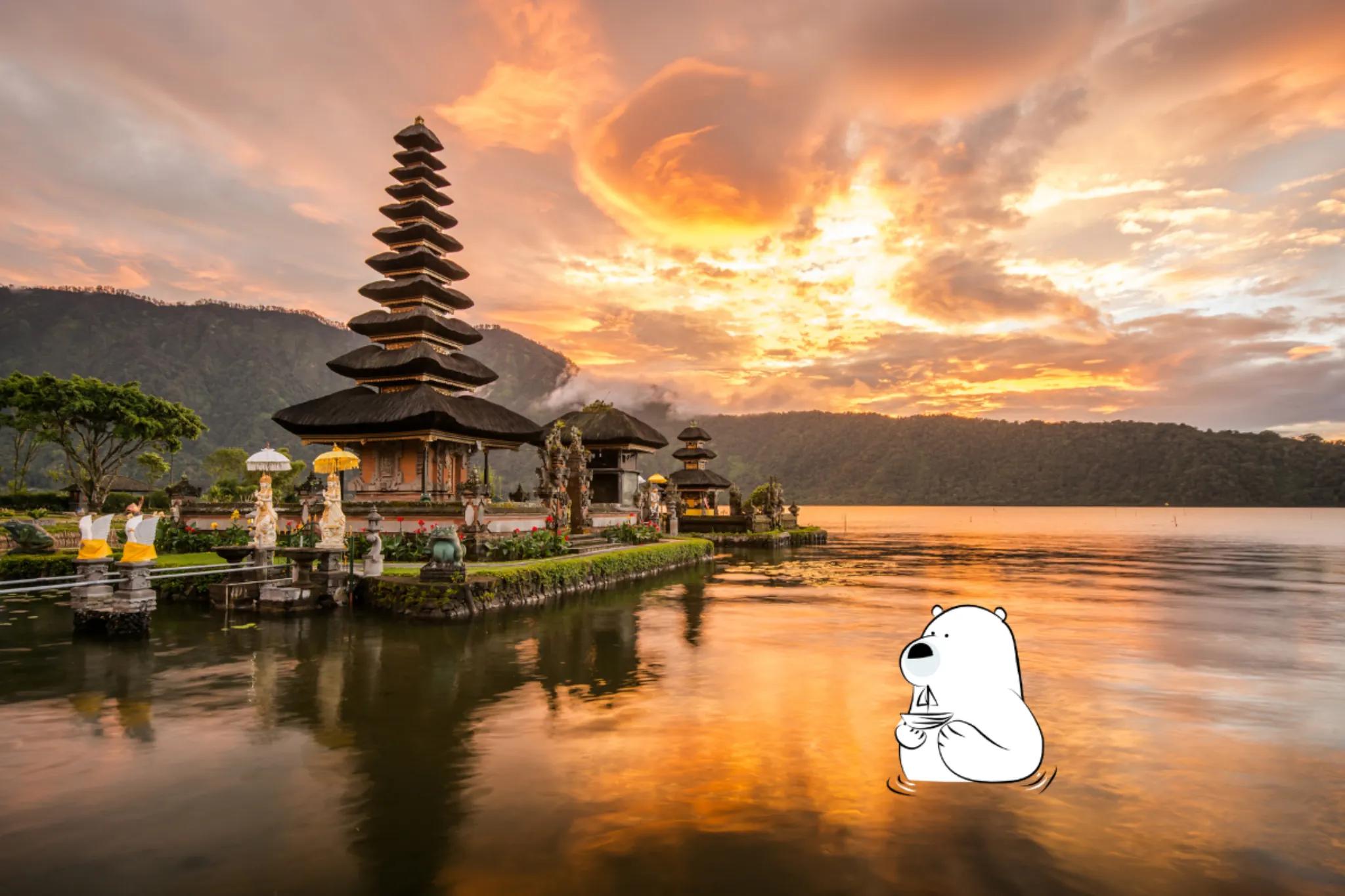
Indonesia is easiest to enjoy when you choose a region first, then build your trip around a few standout foods, cultural highlights, and base areas. The country is too varied for one neat formula. Java, Bali, Sumatra, Sulawesi, Kalimantan, Nusa Tenggara, and Papua each offer a very different rhythm, and Indonesian batik is recognized by UNESCO as Intangible Cultural Heritage.
Why Regional Travel Works Better In Indonesia
Indonesia’s food, landscapes, customs, and heritage change sharply from one part of the archipelago to another. Choosing one or two regions usually makes the trip simpler, calmer, and more rewarding. That approach also works well if you prefer exploring a country locally, with more time for markets, small restaurants, temples, villages, and waterfronts.
Central Java
- Food: Gudeg is one of Yogyakarta’s signature dishes, and the city’s evening food scene is also known for angkringan and casual street snacks.
- Culture: Keraton Yogyakarta and batik culture are two of the clearest entry points into Javanese heritage. Beringharjo Market and Klewer Market are both well known for batik and traditional shopping.
- Spot: Yogyakarta and Solo are the easiest places to start. If you want a wider look at Indonesian cities worth prioritizing, both belong high on the list.
Bali
- Food: Sate lilit is one of Bali’s signature dishes, and babi guling remains one of the island’s most recognizable local meals.
- Culture: Tirta Empul is known for its holy spring and purification rituals, while Uluwatu Temple is famous for its cliffside setting and cultural significance.
- Spot: Ubud works well for temples, markets, and village access, while Uluwatu is a strong base for temple visits and coastal views. If your dates fall around Nyepi in Bali, check closures early.
Sumatra
- Food: Rendang is one of West Sumatra’s defining dishes, and pempek is one of the best-known foods from Palembang in South Sumatra.
- Culture: Minangkabau heritage in West Sumatra and Batak culture around Lake Toba give the island a strong regional identity.
- Spot: Padang and Medan are practical gateways, while the Lake Toba area suits slower travel and longer stays.
Sulawesi
- Food: Coto Makassar is one of Sulawesi’s best-known dishes, and Makassar is also a good place for seafood.
- Culture: Toraja traditions are one of Sulawesi’s strongest cultural draws, especially for travelers interested in architecture, ceremony, and local identity.
- Spot: Makassar is the easiest gateway, while Tana Toraja adds a deeper cultural layer inland.
Kalimantan
- Food: Soto Banjar is one of South Kalimantan’s signature dishes, and river cities in the region are a good place to look for market food shaped by waterways and trade.
- Culture: Floating markets are one of Kalimantan’s most distinctive cultural experiences because they reflect the river-based way of life around Banjarmasin.
- Spot: Banjarmasin is the best place to start if you want river culture and floating market visits in one trip.
Get Eskimo eSIM to stay connected in Indonesia
Need internet in Indonesia? Here's what we recommend:

Fixed data plans
- No speed reduction
- No expiry, keep your data forever
- Transfer data to anyone
- Personal hotspot



Unlimited data plans
- Unlimited day pass
- Daily 3GB high-speed + 1Mbps unlimited after
- Personal hotspot

Nusa Tenggara
- Food: Ayam taliwang is one of the best-known dishes from West Nusa Tenggara, especially around Lombok.
- Culture: Sade Village in Lombok is a strong place to encounter Sasak culture, while Komodo National Park is a UNESCO World Heritage Site and the natural habitat of the Komodo dragon.
- Spot: Lombok and Labuan Bajo are the easiest entry points. Labuan Bajo is also the main gateway to Komodo National Park.
Papua
- Food: Papeda is one of the foods most closely associated with eastern Indonesia and Papua.
- Culture: Baliem Valley is home to the Dani people and remains one of the clearest cultural entry points in the region.
- Spot: Raja Ampat is one of Indonesia’s signature marine destinations, while Papua is also known for extraordinary biodiversity and important bird-of-paradise habitats.
How To Travel More Respectfully In Indonesia
A smoother trip in Indonesia often comes down to a few simple habits:
- Dress modestly at temples and religious sites.
- Ask first before photographing people or ceremonies.
- Treat markets as working spaces, not staged attractions.
- Check local holidays before moving between islands.
- Leave room for slower routines and local timing.
That matters especially in Bali, where religious observance can shape daily movement. On Nyepi, flights stop, and normal outdoor activity across the island pauses for 24 hours.
Staying Flexible Across Indonesia
Moving across Indonesia often means switching between airports, ferry routes, ports, ride-hailing pick-up points, and day trips. For that kind of travel, mobile data is useful for maps, translation, tickets, and last-minute changes.
Eskimo is a practical fit for that kind of trip. Its Indonesia eSIM comes with 2-year validity, and new users can get free 500MB of Global Data.
FAQ
What is the best region in Indonesia for first-time visitors?
Java is one of the easiest starting points because it combines heritage, food, batik, and accessible cities. Bali is another straightforward choice if temple culture and a well-developed travel base matter more.
Is Bali the best place to experience Indonesian culture?
Bali is one of the easiest places to experience daily ritual life, temple customs, and ceremonial traditions, but it is not the only strong option. Java, Sulawesi, Nusa Tenggara, and Papua all offer very different cultural experiences.
Which part of Indonesia has the best food?
That depends on the kind of food you want. Java is strong for street food and market snacks, Sumatra for bold regional dishes such as rendang and pempek, and Sulawesi for coto Makassar and seafood.
What is the best place to visit in Indonesia for nature and culture?
Papua stands out if you want both. Raja Ampat is one of Indonesia’s flagship marine destinations, while Baliem Valley offers a very different cultural setting in the highlands.
Is Indonesia better explored one region at a time?
Usually, yes. Indonesia is large and varied enough that one or two regions often make for a better trip than a rushed multi-island sweep. Slower travel also makes it easier to enjoy local food, markets, and daily culture.