Lunar New Year is often described as a single global celebration, but that description only holds at the level of the calendar. What actually happens when the lunar year turns depends entirely on where you are. The same new moon marks the beginning of the year across much of Asia, yet each society uses that moment to mark something different: luck, ancestry, order, purification, survival.
What Lunar New Year Marks
Lunar New Year begins on the first new moon of the lunar calendar, usually in late January or mid-February. Across cultures, it represents renewal and transition, a symbolic line between what has passed and what is about to begin.
What unites Lunar New Year celebrations is not a single story, but a shared question: How should a new year begin?
Each society answers that question in its own way.
Chinese New Year (Spring Festival): Renewal of Fortune and Continuity
Where it’s celebrated: China, Hong Kong, Taiwan, Singapore, Malaysia, and Chinese communities worldwide
Chinese New Year, also known as the Spring Festival, marks the renewal of fortune and the continuation of family lines. Unlike holidays tied to a historical event, Chinese New Year is cyclical. It does not commemorate something that happened once. It renews something that must happen every year: luck, prosperity, and social harmony.
At the heart of Chinese New Year is the belief that the old year leaves residue. Bad fortune, unfinished business, and negative influences must be cleared before the new year begins. This is why homes are cleaned, debts are settled, and symbolic protections are put in place.
Red decorations dominate not as a celebration, but as a defense. Fireworks are not entertainment alone. They exist to drive away harmful spirits and announce the new year loudly enough to be acknowledged by the world. Family reunions matter because continuity matters. Being together affirms that the line has not been broken.
This is why Chinese New Year is public and expensive. Luck, in this worldview, is something that must be declared rather than quietly hoped for.
Tết Nguyên Đán: Moral Renewal and Ancestral Return
Where it’s celebrated: Vietnam and Vietnamese communities worldwide
In Vietnam, Lunar New Year is celebrated as Tết Nguyên Đán, commonly called Tet. While it follows the same lunar calendar as Chinese New Year, Tet answers a different question. It is less about fortune and more about a moral reset.
Tet marks the moment when the year should begin without unfinished obligations. In Vietnamese belief, carrying unresolved matters into a new year invites imbalance. That includes emotional debts, family distance, and neglect of ancestors.
This is why people return home regardless of distance. This is why homes are cleaned thoroughly before Tet, not for guests, but for the ancestors who are invited to return. During Tet, the boundary between the living and the dead softens. Ancestors are honored as active members of the household.
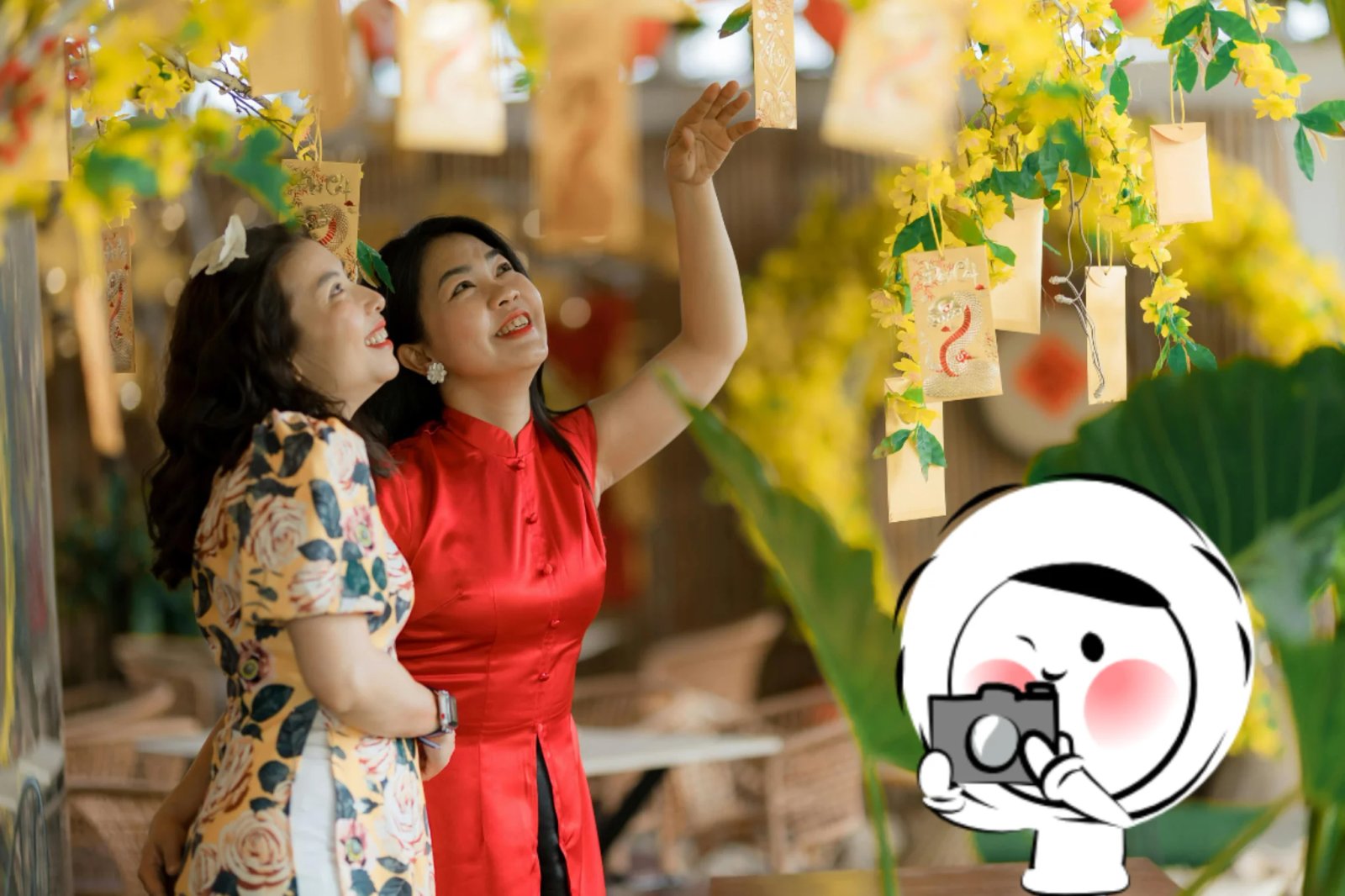
Flower markets filled with peach blossoms and kumquat trees reflect this belief. They are not decoration alone. They symbolize vitality and continuity placed carefully inside the home.
When Tet arrives, the country grows quiet because movement has already served its purpose. Once everyone is home, stillness is the point. Tet is about beginning again from the inside.
Seollal: Order, Hierarchy, and the Structure of Time
Where it’s celebrated: South Korea
South Korea celebrates Lunar New Year as Seollal. Seollal is not focused on luck or spectacle. It is focused on correctness.
In Korean tradition, the new year is a moment to reaffirm social and familial order. Age, hierarchy, and respect are not abstract ideas during Seollal. They are performed through ritual, language, and posture.
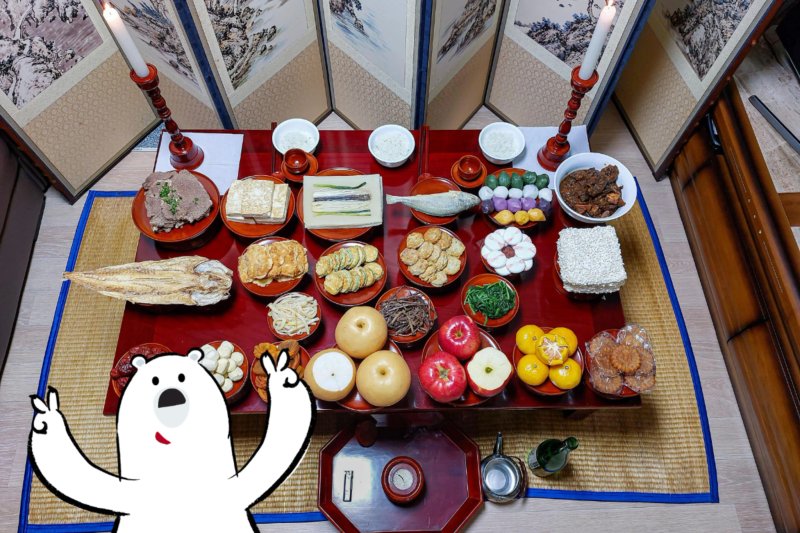
The central ritual, sebae, involves younger family members bowing deeply to elders. This is not symbolic humility. It is an acknowledgment of place within a lineage. Eating tteokguk, a rice cake soup, marks the literal passage of time. After eating it, you are considered one year older.
Seollal treats time as something structured and relational. The year does not simply turn. It is entered properly, with acknowledgment of those who came before.
This is why Seollal feels restrained. It is not about visibility. It is about alignment.
Get Eskimo eSIM to stay connected globally
Need internet while travelling? Here's what we recommend:

Fixed data plans
- No speed reduction
- No expiry, keep your data forever
- Transfer data to anyone
- Personal hotspot


Losar: Spiritual Purification and Protection
Where it’s celebrated: Tibet, Bhutan, parts of Nepal, northern India, and Tibetan diaspora communities
In Tibetan cultural regions, Lunar New Year is celebrated as Losar. Losar is shaped strongly by Tibetan Buddhism and older spiritual traditions. It marks a moment of purification rather than celebration.
Losar is concerned with what cannot be seen. Negative influences, harmful forces, and spiritual imbalance must be expelled before the new year can safely begin. Rituals focus on cleansing, protection, and preparation.
Monasteries play a central role. Ceremonial dances, offerings, and prayers are performed not to mark joy, but readiness. In some regions, Losar lasts several days, reflecting the belief that renewal takes time and intention.
Losar is not primarily social. It is preparatory, focused on ensuring that the year ahead begins without spiritual residue from the past.
Tsagaan Sar: Survival, Respect, and Renewal After Winter
Where it’s celebrated: Mongolia
In Mongolia, Lunar New Year is celebrated as Tsagaan Sar, meaning “White Moon.” It marks the end of winter and the renewal of life in a harsh environment.
Tsagaan Sar centers on respect for elders, hospitality, and survival. Elders are honored as holders of knowledge that sustains families through difficult conditions. Visits follow a strict order, beginning with the oldest members of the family.
Food is shared generously, not as abundance for its own sake, but as reassurance. Tsagaan Sar celebrates continuity in a land where continuity has never been guaranteed.
The new year begins with openness and generosity because endurance depends on community.
Lunar New Year Beyond Borders
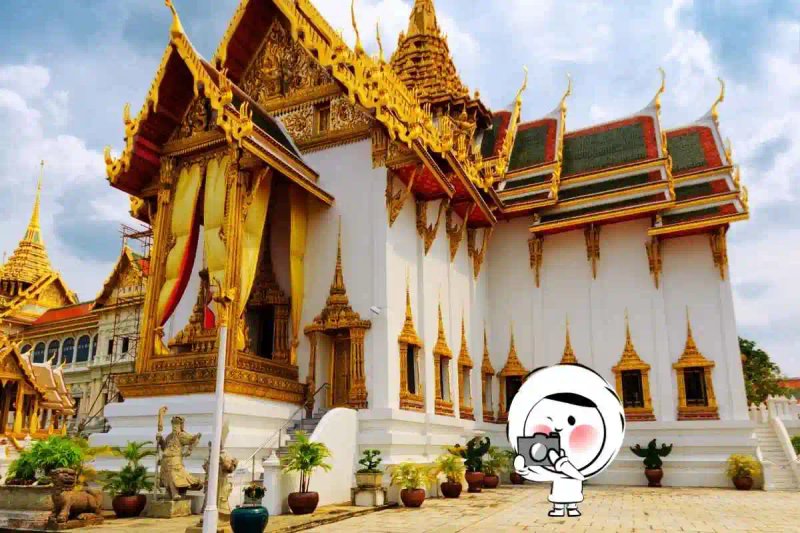
Lunar New Year is also observed by Chinese communities across Southeast Asia, including Singapore, Malaysia, Indonesia, and Thailand. In these places, the holiday often takes on a ceremonial role rather than reshaping daily life entirely.
These variations further underscore a central truth: Lunar New Year is not one holiday replicated everywhere, but a shared calendar moment shaped by local belief.
Choosing How to Experience Lunar New Year
Understanding Lunar New Year is not about choosing the “best” place to be. It is about recognizing which values resonate with you: visibility or stillness, ritual or reunion, order or renewal.
Each Lunar New Year marks a beginning, but not the same kind of beginning. That difference is what makes the holiday meaningful.
Because Lunar New Year affects multiple countries at once, schedules and services can shift quickly. Staying connected helps travelers adapt to changes in transport, opening hours, and local updates.
Relying on APAC eSIM to stay connected across regions during the Lunar New Year. New users can also test a free global eSIM with 500MB, which is useful during transit or short stays when local SIM options may be limited.
One New Moon, Many Ways to Begin Again
Lunar New Year begins on the same new moon each year, but it does not mean the same thing everywhere. In some places, it is about inviting luck. In others, it is about returning home, honoring order, or preparing the spirit.
For travelers and observers alike, Lunar New Year offers a rare chance to see what a society believes must be set right before time moves forward.
FAQs
Which countries celebrate Lunar New Year?
Lunar New Year is celebrated in China, Vietnam, South Korea, Mongolia, and in Tibetan cultural regions such as Tibet, Bhutan, and parts of Nepal. It is also observed by Chinese communities worldwide.
How many people celebrate Lunar New Year worldwide?
More than one billion people celebrate Lunar New Year each year, making it one of the most widely observed holidays in the world.
Is Lunar New Year the same as Chinese New Year?
Chinese New Year is one form of Lunar New Year. Other countries celebrate the same calendar date with different meanings and traditions, such as Tet in Vietnam and Seollal in South Korea.
How many countries use the lunar calendar?
Several countries use lunar or lunisolar calendars for traditional holidays, even though their official calendars are solar-based.