The Most Digital-Friendly Cities for Travelers in 2026
A digital-friendly city is defined by its ability to offer seamless connectivity, cashless payments, and integrated app-based infrastructure. As travelers increasingly look for the most futuristic city in the world, destinations that prioritize high-tech services have become the top choice for remote workers and tourists alike. In 2026, traveling to a futuristic city means experiencing a world where physical barriers are replaced by digital convenience.
What Makes a City Digital-Friendly?
The best cities for digital nomads and tech-savvy travelers share several common traits that simplify the travel experience.
- Fast mobile internet speeds: Widespread 5G and secure public Wi-Fi.
- Cashless economy: Full adoption of contactless and QR code payments.
- Integrated transport apps: Real-time tracking and digital payment for all transit.
- Digital identity systems: Biometric immigration and paperless ticketing for attractions.
The Most Innovative and High-Tech Cities
These destinations consistently rank as the most high-tech cities due to their continuous investment in digital infrastructure.
1. Singapore
Singapore often answers the question of what is the most futuristic city in the world. The city has eliminated most physical touchpoints at Changi Airport through biometric immigration. With the SimplyGo system, travelers can navigate the entire transport network using only their mobile devices.
2. Tokyo, Japan
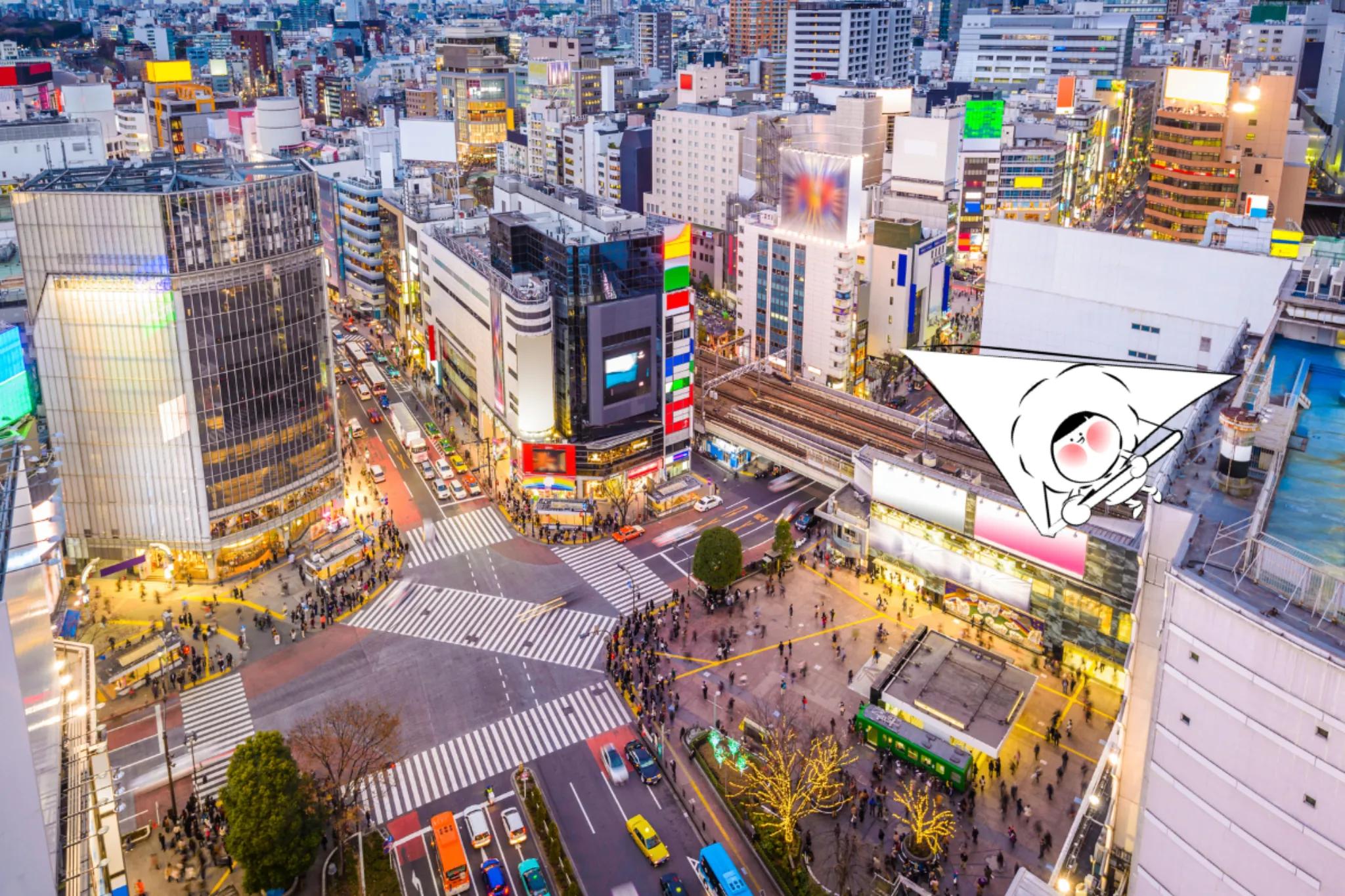
Tokyo is a futuristic city that has successfully transitioned into a nearly 100% cashless society. The integration of mobile Suica and Pasmo cards into smartphone wallets allows travelers to pay for everything from trains to vending machines without carrying yen.
3. Seoul, South Korea
As one of the top tech cities in the world, Seoul provides the highest density of free high-speed public Wi-Fi. The city is built for connectivity, making it one of the best places for remote work due to its stable 5G networks available even in underground subways.
4. Dubai, UAE
Dubai has rapidly become a leader in smart government services. The city features advanced digital immigration gates and the DubaiNow app, which centralizes everything from transport to visa management. With high-speed mobile networks available across the desert metropolis, it is a top contender for the most futuristic city.
5. Stockholm, Sweden
Stockholm represents the peak of the nearly cashless economy. Most shops and cafes in the city no longer accept physical cash, relying instead on digital identity systems and mobile payment apps. Their public transport app is world-class, offering real-time updates and seamless ticketing.
Get Eskimo eSIM to stay connected globally
Need internet? Here's what we recommend:

Fixed data plans
- No speed reduction
- No expiry, keep your data forever
- Transfer data to anyone
- Personal hotspot


Other notable tech hubs
Several other cities are worth mentioning for their digital-first approach:
- Tallinn, Estonia: A pioneer in digital nomad visas and e-governance.
- Taipei, Taiwan: Famous for its island-wide high-speed connectivity and digital ticketing.
- Hong Kong: A leader in integrated smart card technology and high-density 5G coverage.
Why Digital Infrastructure Matters
Choosing the most innovative cities for your next trip ensures a smoother journey with fewer logistical hurdles.
- Real-time navigation: Essential for navigating complex urban layouts.
- Digital payment security: Reduces the risk of carrying large amounts of cash.
- Instant communication: Critical for managing bookings and emergency services.
Are Digital Cities Always Easier to Travel?
Despite the convenience, traveling in a high-tech city requires preparation. Tech reliance means that a dead battery or a lost connection can halt your plans. Some digital nomad hotspots also rely on local apps that may require a specific setup before arrival.
How to Prepare for a Digital-First Destination
To enjoy the benefits of these smart cities, travelers should prepare their digital tools in advance.
- Download local transport apps: Install regional apps like Grab, KakaoTaxi, or Careem before you arrive.
- Set up mobile wallets: Ensure your cards are ready for contactless payments.
- Secure your data: Use an encrypted connection to protect your personal information on public networks.
Stay connected with Eskimo
A futuristic city is only smart if you are online. Instead of hunting for local SIM cards, an Eskimo eSIM provides an instant 5G connection as soon as you land. With 2-year validity and coverage in over 80 countries, Eskimo is the perfect companion for digital nomad hotspots, ensuring you have secure data for payments, maps, and translations.
While these high-tech hubs make it easy to stay for long periods, it is crucial to remain aware of your legal stay requirements. To ensure your digital adventure remains stress-free, you can read our guide on what happens if you overstay a tourist visa to avoid any travel complications or fines.
FAQs
Which city is considered the most futuristic city in the world?
Singapore, Tokyo, and Dubai are frequently cited as the most futuristic due to their advanced biometric systems and cashless infrastructure.
Is it easy to find digital nomad hotspots in Europe?
Yes, cities like Tallinn and Stockholm are major hubs for digital nomads, offering specialized visas and high-speed internet.
Can I travel without cash in these high-tech cities?
In cities like Stockholm and Singapore, contactless payments are the standard, making it possible to travel entirely without physical cash.