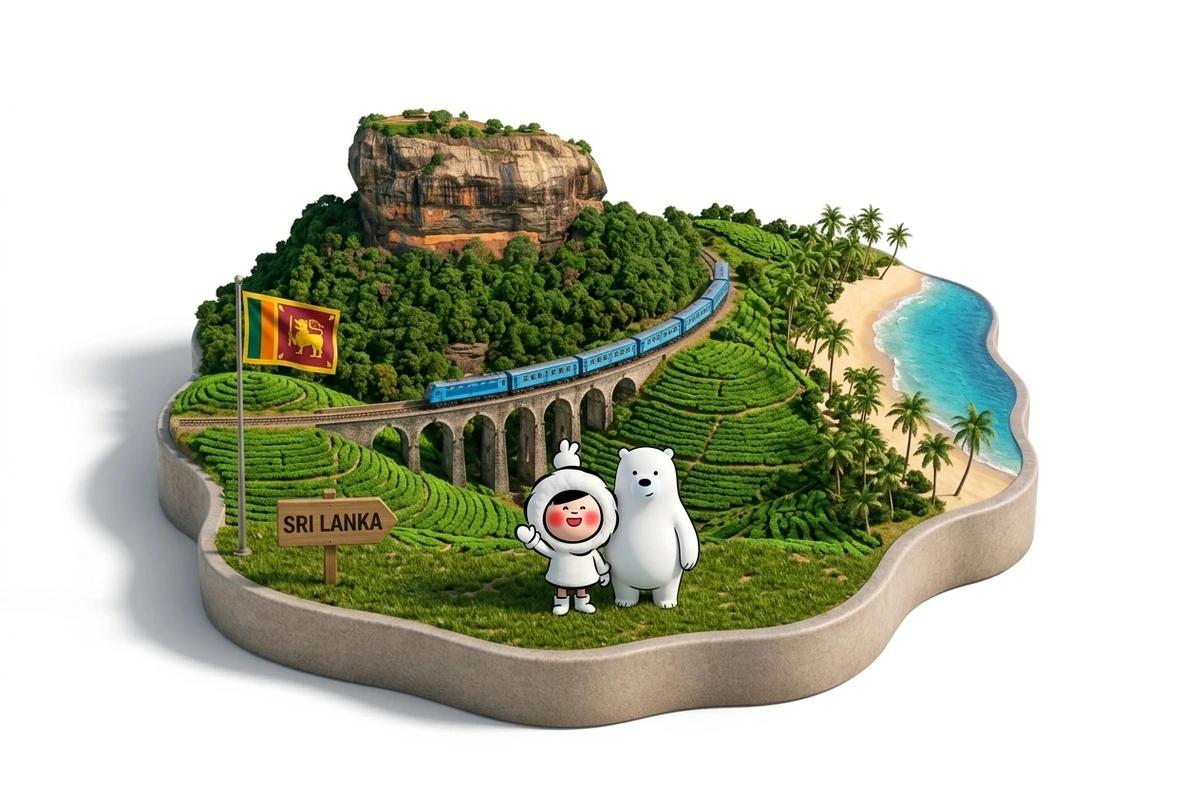
Sri Lanka packs ancient royal citadels, misty tea highlands, wildlife-rich national parks, and palm-fringed coastlines into a compact island territory. For first-time visitors, planning a trip requires understanding that the island experiences two distinct monsoon seasons affecting opposite coasts at different times of the year.
Travelers who align their route with regional weather patterns will find a diverse, welcoming destination that suits cultural explorers, wildlife enthusiasts, surfers, and budget-conscious adventurers alike. The key to a successful journey is balancing active sightseeing with realistic overland transit times.
Best Time To Visit Sri Lanka
The best time to visit Sri Lanka depends entirely on the coastlines and regions on your itinerary.
The southwestern monsoon brings rainfall to Colombo, the southern beaches, and the central hill country between May and September. During these months, the northern and eastern regions experience dry, sunny conditions ideal for beach stays in Trincomalee, Passikudah, and surfing in Arugam Bay.
Conversely, the northeastern monsoon delivers rain to the north and east from October through January.
For visitors pursuing the classic southwestern loop that includes Galle, Mirissa, Kandy, and Ella, the driest and most pleasant weather occurs between December and April.
Shoulder months such as April and September often provide lower accommodation rates and moderate weather across multiple zones.
Essential Things To Do In Sri Lanka
Sri Lanka offers a dense concentration of cultural, natural, and coastal attractions within relatively short travel distances.
Climb Sigiriya Rock Fortress
Climb Sigiriya Rock Fortress in the central Cultural Triangle.
Rising 200 meters above surrounding forested plains, this fifth-century citadel features ancient frescoes, mirror walls, and extensive palace gardens at its summit.
Arrive at opening time, typically around 7:00 AM, to avoid midday tropical heat and peak tour groups.
Experience the Kandy to Ella Train Journey
Experience the scenic railway journey between Kandy and Ella.
Often regarded as one of the most picturesque train rides globally, the track winds through emerald Ceylon tea plantations, mountain passes, and waterfalls.
The railway also passes through the Demodara area, home to the famous Nine Arch Bridge, where travelers can watch locomotives cross towering viaduct arches set against steep jungle valleys.
Check schedules and ticket availability through Sri Lanka Railways.
Explore Galle Fort
Explore historical heritage at Galle Fort on the southern coast.
Established by the Portuguese and expanded by the Dutch in the seventeenth century, this fortified seaside enclave contains preserved colonial ramparts, maritime museums, boutique cafes, and coastal lighthouses.
The fort is particularly atmospheric in the late afternoon when visitors gather along its historic ramparts to watch the sunset over the Indian Ocean.
Go on a Wildlife Safari
Track wild Asian elephants and leopards on safari.
Udawalawe National Park provides dependable elephant sightings around reservoir grasslands, while Yala National Park is renowned for its leopard population.
Early morning and late afternoon game drives generally offer the best opportunities to observe active wildlife.
Wildlife sightings are never guaranteed, so choose reputable safari operators that maintain appropriate distances from animals. Check Eskimo's overview about safari!.
Relax Along Sri Lanka’s Southern Beaches
Mirissa and Weligama offer sandy bays suitable for beginner surfing, coastal dining, and seasonal whale-watching excursions.
Whale-watching tours typically operate between November and April, depending on weather and sea conditions.
Weligama is especially popular with beginner surfers, while Mirissa attracts travelers looking for a relaxed beach atmosphere.
A Practical 10-Day Sri Lanka Itinerary
A 10-day itinerary provides enough time to experience the island’s primary geographical zones without rushing.
Days 1–2: Colombo, Negombo and Sigiriya
Begin in Negombo or Colombo before traveling north to the Cultural Triangle.
Base yourself in Sigiriya or Dambulla to explore the ancient cave temples and ascend Sigiriya Rock Fortress or nearby Pidurangala Rock.
Travelers arriving on overnight flights may prefer spending their first night in Negombo before continuing inland.
Days 3–4: Kandy and the Central Highlands
Continue into the central hills toward Kandy.
Visit the sacred Temple of the Sacred Tooth Relic and stroll around Kandy Lake.
Explore the Royal Botanic Gardens in Peradeniya before preparing for the hill country train departure.
Kandy also provides an introduction to Sri Lanka’s Buddhist traditions and cultural heritage.
Days 5–6: Ella and the Tea Country
Take the scenic train from Kandy toward Ella.
Spend two days hiking to Little Adam’s Peak, viewing the Nine Arch Bridge, and visiting nearby tea factories.
Travelers interested in tea production can also explore plantations around Nuwara Eliya, although this requires additional travel time.
The surrounding hills offer some of Sri Lanka’s most memorable landscapes.
Days 7–8: Udawalawe or Yala National Park
Head south toward the wilderness lowlands.
Take an afternoon safari in Udawalawe or Yala National Park, staying overnight in a nearby safari lodge or eco-camp.
Udawalawe is particularly suitable for travelers prioritizing elephant sightings.
Yala appeals to visitors hoping to observe leopards and other wildlife in their natural habitat.
Days 9–10: Galle and Mirissa
Conclude your journey along Sri Lanka’s southern coast.
Walk the ramparts of Galle Fort, enjoy coastal seafood, and spend time relaxing on the beaches around Mirissa.
Return north along the Southern Expressway toward Bandaranaike International Airport in Katunayake for departure.
Allow sufficient travel time when planning your return journey, especially if departing on an international flight.
Transport And Getting Around Sri Lanka
Navigating Sri Lanka combines historic rail routes, private vehicle charters, and local transport networks.
Traveling by Train
Trains provide some of the most scenic journeys across the hill country between Colombo, Kandy, Nuwara Eliya, and Ella.
Because reserved first-class and second-class seats can sell out weeks in advance during high season, secure reservations early through official railway reservation channels or verified booking agencies.
The Sri Lanka Railways official website provides railway information and services.
Hiring a Private Driver
Hiring a private car with an English-speaking driver is one of the most efficient ways to travel between cities.
Private transport eliminates the stress of navigating rural roads or irregular bus timetables.
Before confirming a booking, ensure the agreed rate includes fuel, driver accommodation, parking charges, and expressway tolls where applicable.
Get Eskimo eSIM to stay connected in Sri Lanka
Need internet in Sri Lanka? Here's what we recommend:

Fixed data plans
- No speed reduction
- No expiry, keep your data forever
- Transfer data to anyone
- Personal hotspot



Unlimited data plans
- Unlimited day pass
- Daily 3GB high-speed + 1Mbps unlimited after
- Personal hotspot

Using Tuk-Tuks and Ride-Hailing Apps
For urban journeys in Colombo and Kandy, ride-hailing apps such as PickMe and Uber offer convenient transport options.
These services provide upfront or estimated pricing, helping travelers avoid fare negotiations common with street tuk-tuks.
When hiring three-wheelers independently in smaller towns, agree on a metered fare or fixed price before entering the vehicle.
Traveling by Public Bus
Local public buses connect virtually every town across the island at minimal cost.
While frequent and affordable, buses can be crowded, fast-paced, and less comfortable for travelers carrying heavy luggage.
Travelers on tight budgets may find buses useful for shorter regional journeys.
Travel Costs And Budgeting In Sri Lanka
Sri Lanka remains an affordable travel destination compared with many Western European or East Asian destinations, offering good value across dining, transport, and accommodation.
Daily expenses vary based on travel style.
Budget travelers: USD 30–45 per day
Budget travelers staying in guesthouses, eating local rice and curry, and using public transportation can expect to spend approximately USD 30 to 45 per day.
Mid-range travelers: USD 70–130 per day
Travelers choosing comfortable boutique hotels, hiring private drivers for major journeys, and dining at tourist-oriented restaurants typically spend USD 70 to 130 per day.
Luxury travelers: USD 250 or more per day
Luxury travelers choosing colonial tea estate bungalows, premium safari camps, private transport, and fine dining can expect daily expenses starting around USD 250.
These estimates are approximate and may vary depending on season, accommodation availability, and individual travel preferences.
Additional Costs to Consider
Major tourist attractions maintain separate entrance ticket pricing for foreign visitors.
Entry fees for high-profile cultural sites such as Sigiriya and ancient Polonnaruwa, along with national park safari permits, should be included in your activities budget.
Carry cash in Sri Lankan Rupees (LKR) because smaller establishments, rural transport operators, and some entry kiosks may not accept international debit or credit cards.
Practical Sri Lanka Travel Tips
Understanding local entry requirements, cultural traditions, and everyday travel practices can make your journey considerably smoother.
Visa and Entry Requirements
Many foreign passport holders need an Electronic Travel Authorization (ETA) before arriving in Sri Lanka.
Entry rules may vary by nationality and can change, so verify the latest requirements before departure.
Use the official Sri Lanka ETA portal for application information.
Travelers can also consult the UK Foreign Travel Advice for Sri Lanka for updated entry requirements, safety guidance, and local travel considerations.
Cultural Etiquette and Temple Visits
Respect for cultural and religious traditions is important throughout Sri Lanka.
When entering Buddhist temples, dress conservatively by covering shoulders and knees, and remove footwear and headwear where required.
Avoid posing for photographs with your back turned directly toward a Buddha statue.
Travelers should also avoid displaying Buddha tattoos or potentially disrespectful religious imagery.
For more examples of unfamiliar rules and cultural restrictions abroad, explore our Eskimo Travel guide to weird laws around the world.
Drinking Water and Food Safety
Avoid drinking untreated tap water directly.
Choose boiled, filtered, or bottled drinking water, and check that bottle seals remain intact when purchasing packaged water.
When eating at local restaurants or street stalls, prioritize freshly prepared food served hot.
Tipping in Sri Lanka
Tipping is customary in many hospitality settings.
Adding approximately 10 percent in casual restaurants, when a service charge is not already included, is a common way to acknowledge good service.
Small tips for safari trackers, hotel staff, and private drivers are also appreciated.
Tipping remains discretionary and should reflect the quality of service received.
Mobile Connectivity Across Sri Lanka
Navigating highland mountain passes, booking ride-hailing vehicles through PickMe, checking railway delays, and monitoring daily monsoon updates require dependable mobile data throughout your journey.
Cellular reception is generally strong in Colombo, Kandy, Galle, and major coastal towns.
However, signal coverage can fluctuate along remote jungle trails, wildlife reserves, and deep mountain valleys between Nuwara Eliya and Ella.
Stay Connected With Eskimo eSIM
Travelers can arrange mobile connectivity before departure using an eSIM-compatible smartphone.
Explore Eskimo’s eSIM plans to find a suitable option for your Sri Lanka itinerary and confirm destination coverage before purchasing.
Eskimo provides coverage across 175 countries and regions, allowing travelers exploring multi-country South Asian routes or transiting through Gulf hubs to maintain connectivity without swapping physical SIM cards.
The data transfer feature also allows eligible users to share unused data allowances with family members or traveling companions.
New users can claim a free 250MB Global eSIM to get started.
Frequently Asked Questions
How many days are ideal for a first trip to Sri Lanka?
A duration of 10 to 14 days allows first-time travelers to experience the Cultural Triangle, central tea highlands, wildlife safaris, and southern beaches without excessive daily driving.
Trips under seven days generally require narrowing your focus to either the hill country or the southern coast.
Do I need a visa before arriving in Sri Lanka?
Many international tourists require an approved Electronic Travel Authorization before traveling to Sri Lanka.
Requirements depend on nationality and current immigration rules.
Check the official Sri Lanka ETA website before departure to confirm whether advance authorization is required.
Is Sri Lanka safe for solo travelers?
Sri Lanka is generally considered welcoming for independent and solo travelers.
Exercise sensible precautions, use reputable transport services after dark, secure valuables, and respect local customs.
Check current government travel advisories before departure, as local safety conditions can change.
Which currency is used in Sri Lanka and are cards widely accepted?
The official currency is the Sri Lankan Rupee (LKR).
While luxury hotels and upscale restaurants in Colombo and Galle generally accept Visa and Mastercard, cash remains important for street markets, tuk-tuks, temple tickets, and rural cafes.
ATMs are available in major towns, although travelers should carry sufficient cash when visiting remote areas.