
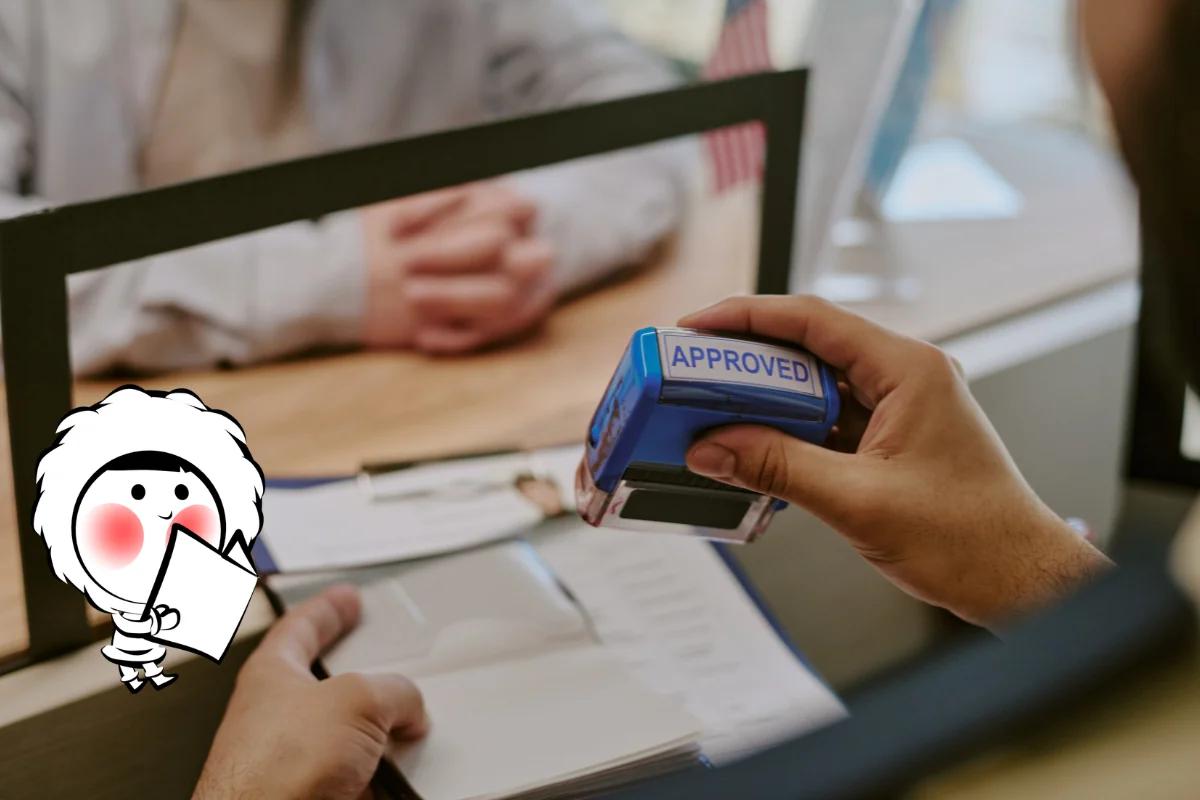
A transit visa allows you to pass through a country en route to another destination. Not every layover requires one, but some do. Whether you need an airport transit visa usually depends on your nationality, the country where you are transiting, whether you stay airside, and whether you need to collect and re-check baggage during your connection. In the Schengen area, for example, an airport transit visa allows a traveler to transit through the international transit area of an airport but does not allow them to leave that area. (europa.eu)
What Is a Transit Visa?
A transit visa is different from a standard visitor visa. It is meant for travelers who are passing through a country, not treating it as their main destination. Some countries distinguish between airside transit and transit that requires passing border control. The UK, for instance, separates direct airside transit from transit where a passenger goes through border control, and the rules can differ by nationality. (gov.uk)
In simple terms, a layover does not automatically mean you need a visa, but it also does not automatically mean you are exempt.
When You May Need One
You may need a transit visa for a layover if any of these apply:
- You leave the airport during the layover
- You have to collect and re-check baggage
- Your flights are on separate tickets
- Your connection is a self-transfer
- The transit country has nationality-based transit rules
- You need to pass through immigration or border control
This is why transit problems often happen on itineraries that look simple at first glance. A short connection can still become a visa issue if the airport process forces you out of the secure transit area. UK guidance, for example, explains that landside transit means the passenger is applying to enter the UK and may need to re-check baggage or transfer between ports or airports. (gov.uk)
Can You Leave the Airport or Recheck Baggage During a Layover?
Sometimes yes, but this is exactly where the risk goes up. If you leave the airport, you may no longer be treated as a simple transit passenger. In many cases, normal entry rules apply instead. The same problem can happen if you must collect and re-check baggage, because that often means passing through immigration before checking in again.
Important: If your itinerary is a self-transfer, do not assume normal layover rules apply. In many cases, you may need to collect and re-check baggage, pass immigration, and check in again. That is one of the most common reasons travelers get caught out by transit visa requirements.
Airside vs Landside Transit
This is the distinction that matters most.
| Transit Type | What It Usually Means | Immigration Needed? | Visa Risk |
| Airside transit | You stay inside the secure transit area between flights | Usually no | Lower, but still depends on nationality and airport rules |
| Landside transit | You leave the secure area, collect bags, re-check, change airport, or leave the airport | Usually yes | Higher |
The Schengen definition of an airport transit visa is specifically tied to the international transit area of the airport, not entry into the country itself. That is why the airside vs landside question matters so much.
Get Eskimo eSIM to stay connected globally
Need internet? Here's what we recommend:

Fixed data plans
- No speed reduction
- No expiry, keep your data forever
- Transfer data to anyone
- Personal hotspot


What To Check Before You Fly
Before any international layover, check these five things:
- Your nationality
Transit rules often depend on the passport you hold. The same route may have different rules for different travelers. (gov.uk) - The transit country’s rules
Always verify on an official immigration website, embassy page, or airline document checker. - Whether your bags are checked through
If they are not, your connection may become landside in practice. - Whether your flights are on one ticket or separate tickets
Self-transfer flights are much riskier than a single protected booking. - Whether you stay airside or must enter the country
This is often the deciding factor.
A good rule is this: if anything about the connection requires you to behave like a new departing passenger, visa checks become much more important.
Where To Check Transit Visa Rules Safely
For something this important, do not rely on forum guesses or social posts.
The safest places to check are:
- The official immigration or government website of the transit country
- The relevant embassy or consulate
- Your airline’s document checker
- Official airport guidance if terminals or airports change during the connection
This matters because transit rules can change, and some exemptions are nationality-specific. Official sources are the best place to confirm what applies to your exact route.
Before You Fly
A transit visa is not something every traveler needs, but it is something every traveler with a layover should check. The biggest risk points are usually leaving the airport, self-transfer flights, and having to collect and re-check baggage.
Once your trip is set, Eskimo can make the practical side of transit easier, from checking airline emails and gate updates to pulling up directions when plans change mid-journey. If you are new to Eskimo, you can also claim a free 500MB of global data to get started before committing to a full plan.
FAQs
Do all layovers require a transit visa?
No. Some travelers can remain airside without a visa, while others may need one depending on nationality, airport process, and the transit country’s rules.
Can you leave the airport during a layover without a visa?
Sometimes, but not always. Leaving the airport can trigger normal entry requirements rather than simple transit rules.
Do you need a transit visa if your baggage is checked through?
Not always. If your bags are checked through and you remain airside, the visa risk is usually lower, though nationality and country-specific rules still matter.
Do self-transfer flights increase the chance of needing a visa?
Yes. Self-transfer flights often mean collecting bags, passing immigration, and checking in again, which can increase the chance that a visa is needed.
Where should you check transit visa requirements before you fly?
Start with the official immigration website, embassy, or consulate of the transit country, then verify with your airline if needed.