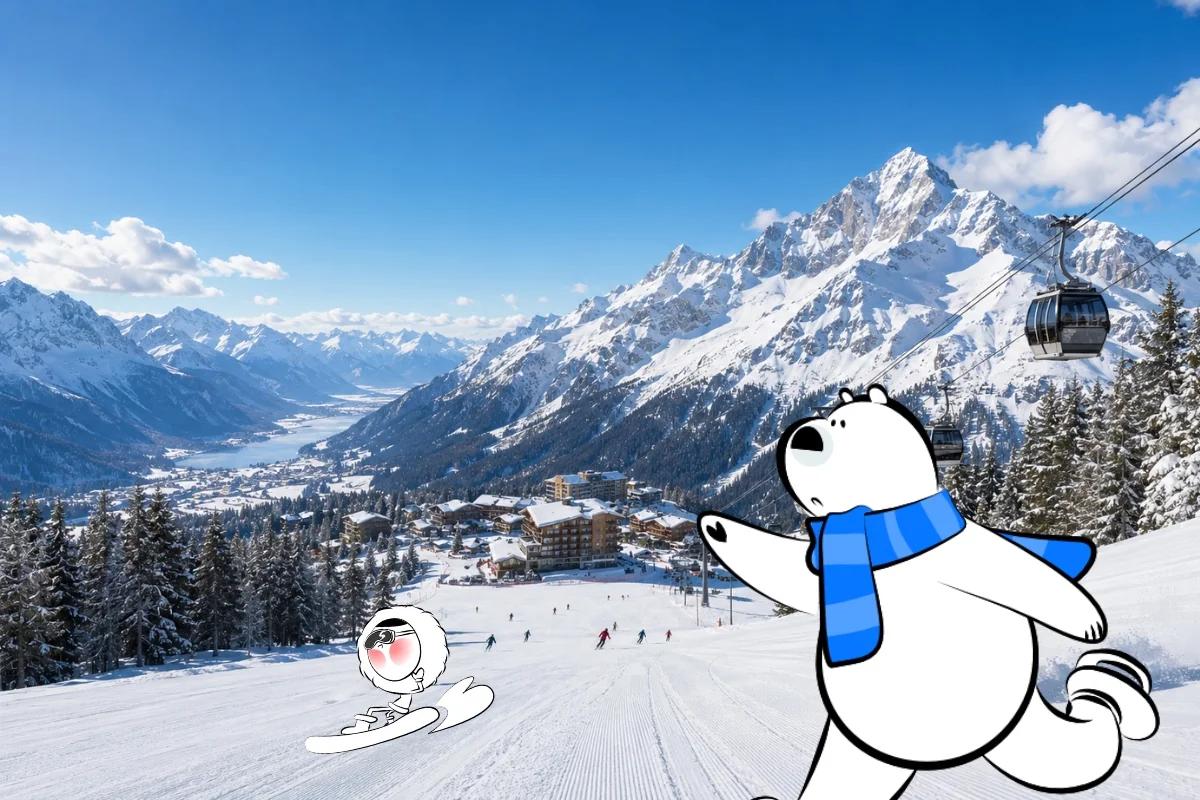
The best ski resorts in the world combine reliable snow, varied terrain, beautiful mountain scenery, easy resort logistics, and a strong village experience. Whistler Blackcomb, Zermatt, Niseko, Les 3 Vallées, Aspen Snowmass, Hakuba Valley, St. Anton, Banff, Cervinia, and Queenstown are among the best choices for different ski styles, from powder trips and family holidays to luxury Alpine escapes.
Best Ski Resorts in the World
Whistler Blackcomb, Canada
Whistler Blackcomb is one of the best ski resorts for travelers who want scale, convenience, and a lively mountain village. The resort spans two connected mountains and offers a huge mix of groomed runs, bowls, glaciers, terrain parks, ski schools, restaurants, and après-ski spots.
It works especially well for mixed-ability groups. Strong skiers can explore advanced terrain, while beginners and casual skiers have lessons, rentals, and easier slopes close by. The pedestrian-friendly village also makes the trip simple, with hotels, shops, and dining within easy reach of the lifts.
Best for: big terrain, group trips, après-ski, and first-time Canada ski holidays.
Zermatt, Switzerland
Zermatt is one of the most iconic ski destinations in Europe. The Matterhorn views are the headline, but the skiing is just as memorable. The resort sits high in the Swiss Alps and connects with Cervinia in Italy when weather and lift conditions allow.
The village is car-free, polished, and atmospheric, with mountain restaurants, boutique hotels, and scenic cable car routes. It is not a budget ski destination, but it delivers a classic Alpine experience for travelers who want the trip to feel special from morning lift to evening dinner.
Best for: scenic skiing, couples, luxury stays, and high-altitude slopes.
Niseko, Japan
Niseko is famous for soft powder, tree skiing, and a relaxed winter atmosphere. It is one of the best places to ski in Japan, especially for snowboarders and powder lovers who want deep snow, onsens, ramen, and easy access to Hokkaido’s winter scenery.
The resort has an international feel, with English-friendly services, ski schools, rentals, and plenty of restaurants. It also pairs well with a wider Japan winter trip, especially for travelers who want snow festivals, hot springs, or city stops before or after skiing.
For broader timing across the country, Japan’s seasons can shape the whole itinerary, from Hokkaido powder to spring city breaks.
Best for: powder snow, snowboarding, Japan winter trips, and relaxed après-ski.
Les 3 Vallées, France
Les 3 Vallées is one of the best ski areas in the world for travelers who want long piste days and huge variety. The connected French Alpine ski area includes famous resort names such as Courchevel, Méribel, Les Menuires, and Val Thorens.
Each base has a different feel. Courchevel is refined and luxurious. Méribel is central and convenient. Val Thorens is high, lively, and often a strong choice for snow reliability. This makes Les 3 Vallées flexible for families, groups, couples, and serious skiers who want maximum slope time.
Best for: long ski days, families, confident skiers, and large resort choice.
Aspen Snowmass, USA
Aspen Snowmass is one of the strongest ski resorts USA options for travelers who want excellent skiing with a polished town experience. The area covers four mountains: Aspen Mountain, Snowmass, Aspen Highlands, and Buttermilk.
Snowmass is especially useful for families and longer stays, while Aspen Mountain and Highlands suit stronger skiers. Buttermilk is known for beginner-friendly terrain and freestyle culture. Away from the slopes, Aspen adds high-end hotels, restaurants, shopping, galleries, and a strong après-ski scene.
Best for: luxury ski trips, dining, families, and varied terrain.
Hakuba Valley, Japan
Hakuba Valley is one of Japan’s best ski destinations for travelers who want more terrain variety than a single resort can offer. Set in the Japanese Alps, it gives access to multiple ski areas across the valley and has a strong reputation for mountain views, powder days, and steeper terrain.
Hakuba hosted events during the 1998 Nagano Winter Olympics, and it still appeals to skiers who want a more adventurous Japan trip. It can feel more spread out than Niseko, so choosing the right base and planning transport matters.
Best for: adventurous skiers, Japan rail itineraries, mixed terrain, and resort hopping.
St. Anton am Arlberg, Austria
St. Anton is one of Europe’s classic ski towns. It is part of Ski Arlberg, Austria’s largest connected ski area, and is best known for challenging terrain, traditional Alpine character, and energetic après-ski.
Beginners can ski here, but St. Anton is at its best for confident intermediates and advanced skiers. The slopes can feel demanding, and off-piste skiing should be done with proper local guidance and safety equipment.
Best for: advanced skiers, après-ski, Alpine atmosphere, and lively group trips.
Get Eskimo eSIM to stay connected globally
Need internet while travelling? Here's what we recommend:

Fixed data plans
- No speed reduction
- No expiry, keep your data forever
- Transfer data to anyone
- Personal hotspot


Banff Sunshine And Lake Louise, Canada
Banff is a beautiful choice for travelers who want a ski trip with national park scenery. Banff Sunshine and Lake Louise offer dramatic views, wide mountain landscapes, forested runs, and easy access to the town of Banff.
The setting is the main draw. Ski days can be mixed with hot springs, winter walks, frozen lakes, and scenic drives through the Canadian Rockies. It is a strong option for couples, families, and travelers who want the mountain experience to go beyond skiing.
Best for: scenery, nature-focused trips, couples, and multi-resort skiing.
Cervinia, Italy
Cervinia is a high-altitude Italian ski resort with long cruising runs, Matterhorn views, and a relaxed Alpine feel. When lift and weather conditions allow, the ski area links with Zermatt across the Swiss border.
It is a strong choice for intermediate skiers who enjoy wide pistes, mountain lunches, and scenic days rather than only steep technical terrain. Cervinia can also feel better value than some famous Swiss resorts, while still giving access to a major high-altitude ski area.
Best for: intermediate skiers, Italian food, high-altitude slopes, and scenic runs.
Queenstown, New Zealand
Queenstown is one of the best ski destinations for travelers who want Southern Hemisphere snow. The main ski season usually runs from June to October, with Coronet Peak and The Remarkables closest to town. Cardrona and Treble Cone can also be added for a longer trip.
The ski areas are smaller than the biggest resorts in Europe or North America, but Queenstown adds a lot beyond the slopes. Lake views, wineries, restaurants, hiking, and adventure activities make it ideal when skiing is part of a wider New Zealand itinerary.
Best for: summer-season ski trips, adventure travel, and mixed outdoor holidays.
How To Choose The Right Ski Resort
The right resort depends on travel style, budget, ability level, and the kind of mountain holiday you want.
Choose Whistler Blackcomb or Les 3 Vallées for the widest terrain variety. Choose Niseko for powder. Choose Zermatt or Cervinia for high-altitude scenery. Choose Aspen Snowmass for a polished luxury ski trip. Choose Banff for national park views. Choose Queenstown if you want to ski during the Northern Hemisphere summer.
Beginners should look for ski schools, gentle slopes, rental shops, and easy resort transport. Families should prioritize short transfers, childcare, blue runs, and hotels close to lifts. Advanced skiers should focus on terrain variety, snow reliability, off-piste access, and local guiding options.
Best Time To Go Skiing
For most ski resorts in Europe, North America, and Japan, January to March is usually the strongest window for snow conditions. December can be festive but busy around Christmas and New Year. April can bring sunny days and better prices in high-altitude resorts, though lower slopes may soften.
For Japan, January and February are the main powder months. For New Zealand, the ski season usually runs from June to October, with July to September often the safest window for stronger conditions.
Mountain Trips Are Easier With Flexible Data
Ski trips rely on small details: checking lift status, opening trail maps, finding shuttle times, booking restaurants, messaging your group, and navigating unfamiliar resort towns. Eskimo helps travelers stay connected across destinations without needing a local SIM in every country.
For a global ski holiday, the Global Plan is the most flexible fit. Its long plan validity is useful for travelers who ski in more than one country or keep unused data ready for future trips. New Eskimo users can also get free 500MB of Global.
FAQs
What is the best ski resort in the world?
There is no single best ski resort for every traveler. Whistler Blackcomb is one of the best for big terrain, Zermatt for scenery, Niseko for powder, Les 3 Vallées for connected slopes, and Aspen Snowmass for luxury ski holidays.
What is the best ski resort for beginners?
Whistler Blackcomb, Snowmass, parts of Les 3 Vallées, and selected Hakuba resorts can work well for beginners because they offer ski schools, rental shops, and easier slopes. Beginners should choose accommodation close to lifts and book lessons early in peak season.
What is the best ski resort for families?
Whistler Blackcomb, Snowmass, Les 3 Vallées, and Banff are strong family choices. Look for ski schools, childcare, beginner areas, short transfers, and restaurants that are easy to reach after skiing.
Where is the best powder skiing?
Niseko in Japan is one of the world’s best-known powder destinations. Hakuba, British Columbia, and parts of the Rocky Mountains can also offer excellent powder, depending on the season.
Which ski resort is best for luxury travel?
Zermatt, Aspen Snowmass, Courchevel, and St. Moritz are among the strongest luxury ski destinations. They are known for premium hotels, mountain restaurants, shopping, and polished resort services.
When is the best month to go skiing?
January to March is usually the best window for many resorts in Europe, North America, and Japan. For New Zealand, July to September is usually the better ski period.