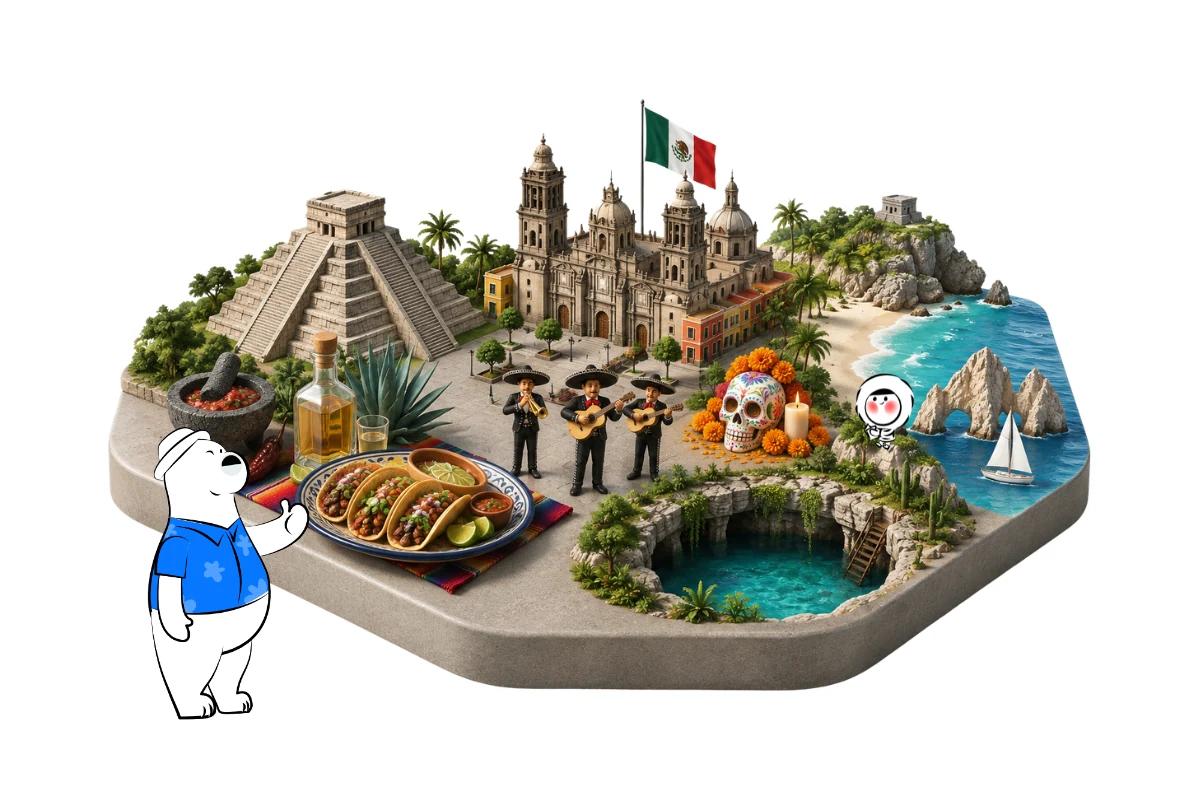

The most famous landmarks around the world include the Eiffel Tower, the Colosseum, Angkor Wat, the Great Wall, Machu Picchu, Christ the Redeemer, and the Sydney Opera House. Some are historic monuments, others are modern icons, but all of them are closely tied to the places they represent.
Quick List: The Most Famous Landmarks Around the World
- Eiffel Tower, France
- Colosseum, Italy
- Sagrada Família, Spain
- Angkor Wat, Cambodia
- Borobudur, Indonesia
- Great Wall, China
- Mount Fuji, Japan
- Machu Picchu, Peru
- Christ the Redeemer, Brazil
- Chichén Itzá, Mexico
- Sydney Opera House, Australia
- Milford Sound, New Zealand
Famous Landmarks In Europe
Europe is one of the easiest regions for landmark-focused travel because many famous sites are tied to major cities and efficient transport networks.
1. Eiffel Tower, France
Location: Paris, France
Type: Historic city landmark
Best for: First-time visitors, city breaks, photography
The Eiffel Tower is one of the most recognizable landmarks in the world and the clearest symbol of Paris. Built for the 1889 World’s Fair, it has become far more than a historic structure. For many travelers, it is the first image that comes to mind when they think of France.
Why it stands out: It is instantly recognizable and strongly tied to both Paris and France.
2. Colosseum, Italy
Location: Rome, Italy
Type: Ancient landmark
Best for: History-focused trips, classic Rome itineraries
The Colosseum is one of the best-known monuments from the ancient world and one of Rome’s defining landmarks. It is also part of a UNESCO World Heritage Site, which adds to its global recognition and significance.
Why it stands out: It is one of the strongest visual symbols of ancient Rome and one of Europe’s most famous historic sites.
3. Sagrada Família, Spain
Location: Barcelona, Spain
Type: Architectural landmark
Best for: Architecture lovers, Barcelona trips, photography
Sagrada Família is one of the most distinctive landmarks in Europe. Its design feels completely different from the region’s better-known palaces, towers, and cathedrals, which is part of what makes it so memorable.
Why it stands out: It has a look that is hard to confuse with anything else, even among Europe’s most famous landmarks.
Famous Landmarks In Southeast Asia
Southeast Asia stands out for its range. The region mixes temple complexes, cultural monuments, and modern city icons in a way that feels varied rather than repetitive.
1. Angkor Wat, Cambodia
Location: Siem Reap, Cambodia
Type: Temple complex
Best for: Heritage trips, temple visits, sunrise photography
Angkor Wat is the best-known landmark in Southeast Asia and one of the region’s most important heritage sites. It is not just a single famous temple, but part of a much larger UNESCO World Heritage Site that gives the whole area greater scale and significance.
Why it stands out: It combines visual grandeur, religious history, and cultural importance in one landmark.
2. Borobudur, Indonesia
Location: Central Java, Indonesia
Type: Buddhist monument
Best for: Cultural travel, history-focused trips, early morning visits
Borobudur is one of the world’s most important Buddhist monuments and one of Indonesia’s best-known landmarks. It feels both monumental and serene, which gives it a different presence from many city-based landmarks.
Why it stands out: It is visually striking, historically important, and strongly tied to Indonesia’s cultural identity.
3. Marina Bay Sands, Singapore
Location: Singapore
Type: Modern city landmark
Best for: Stopovers, skyline views, short city breaks
Marina Bay Sands is the modern landmark in this regional lineup. It does not have the ancient or religious weight of Angkor Wat or Borobudur, but it has become one of the strongest visual symbols of Singapore.
Why it stands out: It adds a modern skyline icon to the region and is instantly associated with Singapore.
Famous Landmarks In East Asia
East Asia is a strong region for travelers who want a mix of historic landmarks and globally recognized modern symbols.
1. Great Wall, China
Location: Northern China
Type: Historic defensive structure
Best for: Bucket-list trips, history-focused itineraries
The Great Wall is one of the most famous landmarks in the world. It is the safest and strongest pick in East Asia, both for global recognition and for historical importance.
Why it stands out: It is one of the world’s best-known landmarks and one of history’s most impressive large-scale structures.
2. Mount Fuji, Japan
Location: Honshu, Japan
Type: Natural landmark
Best for: Scenic trips, photography, first-time Japan visits
Mount Fuji is one of the rare natural landmarks that works as a national symbol just as strongly as a man-made monument. It is closely tied to Japan’s visual identity and is also part of a UNESCO World Heritage Site.
Why it stands out: It is globally recognizable and feels unmistakably connected to Japan.
Get Eskimo eSIM to stay connected globally
Need internet? Here's what we recommend:

Fixed data plans
- No speed reduction
- No expiry, keep your data forever
- Transfer data to anyone
- Personal hotspot


3. Tokyo Tower, Japan
Location: Tokyo, Japan
Type: Modern city landmark
Best for: Urban trips, skyline views, short Tokyo itineraries
Tokyo Tower represents the more modern side of East Asia’s landmark mix. It may not carry the historical depth of the Great Wall or the symbolic weight of Mount Fuji, but it remains one of the region’s most recognizable urban landmarks.
Why it stands out: It gives the region a clear modern city icon and a strong Tokyo skyline marker.
Famous Landmarks In Latin America
Latin America’s most famous landmarks often feel more dramatic and destination-defining. Landscape, altitude, and history tend to shape the experience as much as the landmark itself.
1. Machu Picchu, Peru
Location: Cusco Region, Peru
Type: Ancient mountain citadel
Best for: Bucket-list travel, hiking routes, scenic history trips
Machu Picchu is one of the strongest landmark picks anywhere in the world. It combines architectural importance with an extraordinary mountain setting, which gives it a stronger sense of arrival than many city landmarks.
Why it stands out: It feels both monumental and remote, which makes the visit itself part of the appeal.
2. Christ the Redeemer, Brazil
Location: Rio de Janeiro, Brazil
Type: Monumental statue
Best for: City trips, viewpoint itineraries, iconic photos
Christ the Redeemer is one of Latin America’s most recognizable silhouettes and one of the clearest symbols of Rio de Janeiro. It works both as a city landmark and as a wider regional icon.
Why it stands out: It is simple, instantly recognizable, and strongly tied to Rio’s identity.
3. Chichén Itzá, Mexico
Location: Yucatán, Mexico
Type: Ancient city landmark
Best for: Archaeology-focused trips, cultural itineraries
Chichén Itzá is one of the most famous ancient sites in Latin America and one of Mexico’s most recognizable landmarks. It adds a major pre-Columbian site to the regional mix and broadens the article beyond mountain and city icons.
Why it stands out: It is one of the clearest ancient-city landmarks in the region and widely known beyond Mexico.
Famous Landmarks In Australia And New Zealand
Australia and New Zealand bring a slightly different mood to the list. The region’s most iconic landmarks often feel more open, scenic, and closely connected to the outdoors.
1. Sydney Opera House, Australia
Location: Sydney, Australia
Type: Architectural landmark
Best for: City breaks, architecture lovers, waterfront photography
The Sydney Opera House is Australia’s best-known built landmark and one of the most famous architectural icons in the world. It feels both modern and timeless, which is a rare combination.
Why it stands out: It is closely tied to Sydney, Australia, and modern landmark design all at once.
2. Sydney Harbour Bridge, Australia
Location: Sydney, Australia
Type: Urban landmark
Best for: Harbor views, Sydney itineraries, classic photo stops
Sydney Harbour Bridge is one of the strongest supporting landmarks in the region and pairs naturally with the Opera House. Together, they create one of the most recognizable waterfront views in the world.
Why it stands out: It strengthens the region’s city landmark mix and is closely tied to Sydney’s identity.
3. Milford Sound, New Zealand
Location: Fiordland, New Zealand
Type: Natural landmark
Best for: Road trips, scenic travel, landscape photography
Milford Sound is the natural landmark pick for this region. Unlike the built icons in Sydney, its fame comes from the landscape rather than the architecture, which helps balance the regional lineup.
Why it stands out: It offers a scenic landmark that feels immediately tied to New Zealand’s natural identity.
How To Choose Which Famous Landmarks To Visit
The best landmarks to visit depend on the type of trip you want.
- Choose Europe if you want a classic route with several famous landmarks in one trip.
- Choose Southeast Asia if you want more variety across temples, city icons, and cultural sites.
- Choose East Asia if you want a balance of heritage landmarks and modern urban stops.
- Choose Latin America if you want landmarks that feel more dramatic and destination-defining.
- Choose Australia and New Zealand if you prefer a lighter-paced trip with a stronger scenery angle.
A shorter shortlist usually works better than trying to see everything. Landmark trips tend to feel smoother when they are built around route and pacing, not just name recognition.
Practical Tips For Visiting Famous Landmarks
- Check whether major landmarks need tickets or timed entry before you go
- Visit early if you want fewer crowds and better photography conditions
- Group landmarks by route, not just popularity
- Leave time for the area around the landmark, not just the main photo stop
- Save the deeper planning, like entrance details and seasonal advice, for your destination-specific research
A Simpler Way To Stay Connected While Traveling
Famous landmarks often come with more logistics than expected. You may need to pull up mobile tickets at the Colosseum, check directions on the way to Chichén Itzá, message a driver after visiting Machu Picchu, or open your map in a crowded area near the Eiffel Tower.
That is where Eskimo fits naturally. Instead of swapping SIM cards or hunting for unstable public Wi-Fi, travelers can stay connected while moving between cities and countries. That makes it easier to access maps, booking emails, transport apps, and last-minute updates on the go. New Eskimo users also get 500MB of free Global Data valid for 2 years, which is a useful bonus for lighter navigation and travel planning.
FAQs
What are the most famous landmarks around the world?
Some of the most famous landmarks around the world include the Eiffel Tower, Colosseum, Angkor Wat, Great Wall, Machu Picchu, Christ the Redeemer, and Sydney Opera House.
Which region is best for landmark-focused travel?
Europe is often the easiest starting point for first-time landmark trips because major sites are closely tied to well-connected cities. Other regions can be just as rewarding, but usually involve longer distances or more varied transport planning.
Are famous landmarks worth visiting early in the morning?
Usually, yes. Earlier visits often mean lighter crowds, smoother entry, and better conditions for photos.
How should I plan a trip around multiple landmarks?
Start with one region, shortlist the landmarks that matter most to you, and then build the route around travel time and pace. It is usually better to visit fewer landmarks properly than rush through a longer list.