Madagascar is home to some of the most exclusive biodiversity on the planet, with approximately 90% of its wildlife found nowhere else on Earth. This evolutionary isolation makes the island a premier destination for travelers seeking encounters with species that developed independently for millions of years. While popular culture often focuses on fictional characters, the real-life residents of this island, from the vocal Indri lemur to the predatory Fossa, offer a profound experience for those venturing into its diverse ecosystems.
Do Penguins Live in Madagascar?
Despite the global fame of the Penguins of Madagascar movie franchise, there are no penguins in Madagascar. Penguins are cold-climate birds that thrive in polar or subpolar regions, which is the opposite of Madagascar's tropical Indian Ocean environment. While you won't find Skipper or Kowalski here, the island's actual endemic species are far more remarkable than any animated counterpart.
Real Life Movie Stars: From King Julian to Mort
Many travelers are drawn to the island by the characters they grew up watching. You can find the real-life inspirations for these icons throughout the island's national parks:
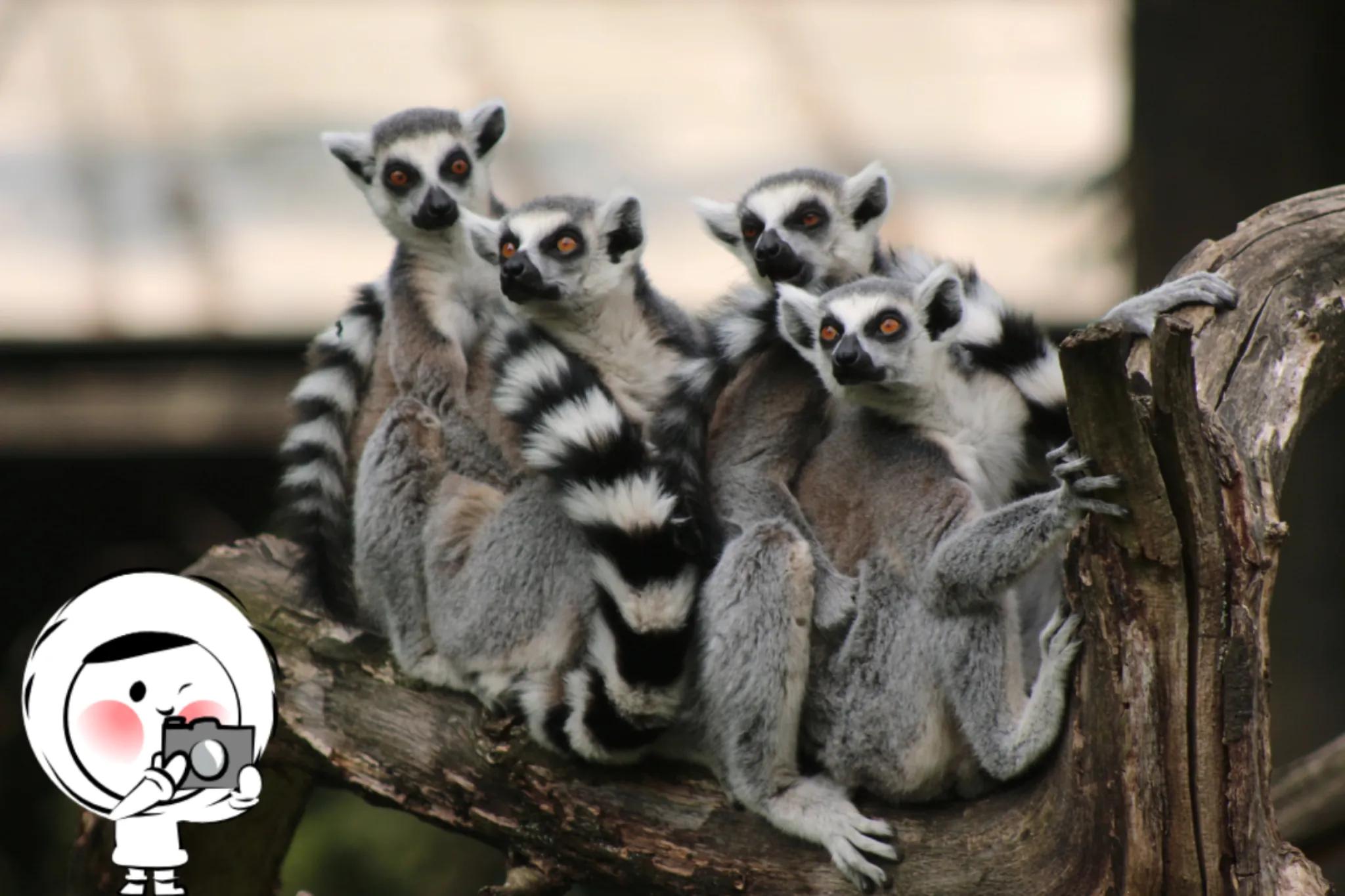
- King Julian (Ring-tailed Lemur): This species is the most recognizable symbol of Madagascar wildlife. Known for their black-and-white striped tails, they are highly social and often seen sunbathing in open areas.
- Mort (Goodman's Mouse Lemur): The inspiration for Mort is the Goodman's mouse lemur. The mouse lemur is one of the world's smallest primates and is primarily nocturnal.
- The Fossa: The island's top predator looks like a mix between a cougar and a mongoose. It is uniquely adapted to hunt lemurs in the canopy, making it a must-see for a Madagascar safari.
Beyond Lemurs: Other Rare Species to Spot
Madagascar’s biodiversity goes far beyond its famous primates. To truly understand why this island is a natural laboratory of evolution, you must look for these extraordinary creatures:
Panther Chameleon
Nearly half of the world's chameleon species live in Madagascar. The Panther Chameleon is a favorite among photographers due to its vivid, changing colors ranging from electric blue to bright orange. Their independent eye movement and lightning-fast tongues make them fascinating to watch in the wild.
The Aye-aye
The Aye-aye is perhaps the strangest primate in existence. This nocturnal creature has large bat-like ears and a specialized, skeletal middle finger used to tap on trees to find grubs. It is a rare sight and represents the "weird and wonderful" side of the island.
Satanic Leaf-tailed Gecko
Masters of camouflage, these geckos look exactly like decaying leaves. Their bodies feature notches that mimic leaf veins, making them nearly invisible to predators. Spotting one requires a highly skilled local guide and a lot of patience.
Giraffe Weevil
Named for its extraordinarily long neck, this beetle is a marvel of insect evolution. The males use their long necks for fighting and building nests, showcasing the bizarre adaptations that can only happen in complete geographic isolation.
Best Time to Visit Madagascar for Wildlife
To truly experience the island's biodiversity, you must time your trip according to the seasons. The best time to visit Madagascar is between September and November.
September to November
This is the optimal window for most travelers. The weather is warming up, hibernating species like the mouse lemur are active, and baby lemurs are born.
December to March
While this is the rainy season, it is the best time for those interested in reptiles and amphibians, as they are most active during the humid months.
Get Eskimo eSIM to stay connected in Madagascar
Need internet in Madagascar? Here's what we recommend:

Fixed data plans
- No speed reduction
- No expiry, keep your data forever
- Transfer data to anyone
- Personal hotspot


April to August
The cooler winter months are excellent for hiking and seeing the larger lemurs like the Indri, though some smaller species may be less active.
Planning Your Wildlife Expedition
A successful safari in Madagascar requires understanding the logistics, costs, and essential gear. Because the island is vast and the terrain is rugged, your preparation determines the quality of your sightings.
Safari costs and guides
Budgeting for a Madagascar safari is essential. Mid-range guided tours usually cost between $150 and $250 per day and include park fees, transportation, and a private driver. Hiring a certified local guide is mandatory in national parks. These experts are trained to identify camouflaged species, such as geckos, that are invisible to the untrained eye.
What to pack for the jungle
Your packing list should prioritize utility. Lightweight, long-sleeved clothing is necessary to protect against insects. Sturdy hiking boots are required for slippery rainforest trails. Since many animals like the mouse lemur are nocturnal, a high-quality headlamp is a critical piece of gear.
Must-Visit Destinations for Your Safari
If you are planning Madagascar safari tours, these locations offer the most exclusive wildlife sightings:
- Andasibe-Mantadia National Park: The best place to see the Indri, whose haunting, whale-like calls can be heard for miles through the rainforest.
- Ranomafana National Park: A lush rainforest that is home to the rare Golden Bamboo Lemur and a staggering variety of frogs and geckos.
- Avenue of the Baobabs: While famous for its massive trees, the surrounding dry forests are excellent for spotting lemurs during sunset.
- Isalo National Park: Featuring dramatic sandstone formations and natural pools, this park offers a different landscape where ring-tailed lemurs thrive.
Essential Travel Connectivity for the Deep Jungle
Madagascar is a rugged and remote destination. Navigating its national parks and coordinating with local guides requires a reliable data connection, which can be difficult to find in rural areas.
Instead of waiting in line at the Antananarivo airport for a local SIM card, you can secure your connection before you land. Using an Eskimo eSIM allows you to stay connected the moment you arrive. By activating a Madagascar eSIM, you can access offline maps, check weather updates for your treks, and share high-resolution photos of the Madagascar lemur species you discover. For those planning their first expedition, Eskimo offers a free 500MB global data trial to ensure your device is ready for the adventure.
FAQs
Are there any dangerous animals in Madagascar?
Madagascar lacks large land predators like lions or venomous snakes dangerous to humans. The biggest risks are smaller pests like mosquitoes or leeches in the rainforest.
Do I need a guide to see wildlife?
Yes. Most national parks require a certified local guide. They are essential for spotting camouflaged species like geckos and mouse lemurs.
What is the cost of a Madagascar safari?
Guided tours typically range from $150 to $250 per day. This cost generally includes park entry fees, local transport, and your driver-guide.
What should I pack for a wildlife trek?
Essential items include lightweight clothing, sturdy hiking boots, and a headlamp. A Madagascar eSIM is also recommended for navigation in remote areas.
What species is Mort from Madagascar?
Mort is a mouse lemur, specifically based on the Goodman's mouse lemur found in the eastern rainforests.