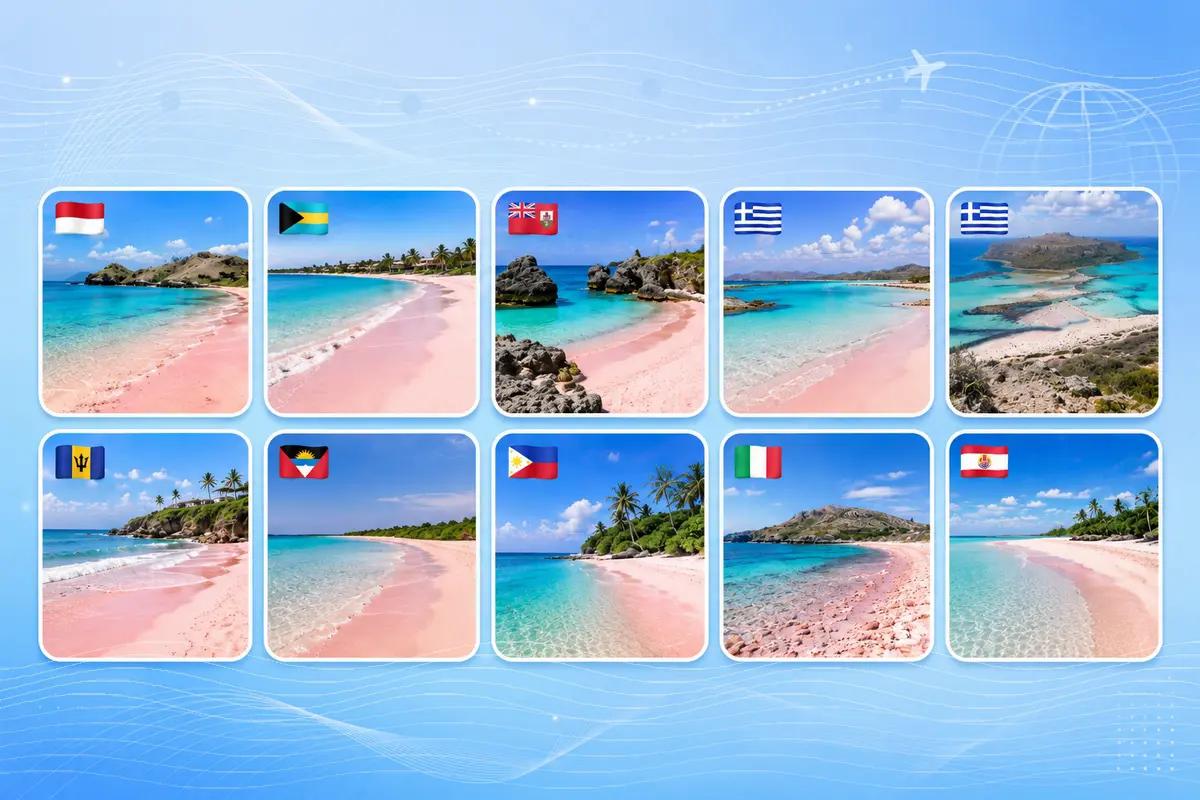
The best pink sand beaches in the world range from tropical islands with clearly rose-colored shores to protected coastlines where the pink tint is much more subtle. Harbour Island is one of the best choices for a long, consistently pink shoreline, Komodo stands out for snorkeling and island-hopping, while Spiaggia Rosa in Italy is best treated as a protected natural wonder rather than a swimming beach.
Pink sand does not form in exactly the same way everywhere. On many beaches, pale sand mixes with reddish biological fragments, shells, coral material, or microscopic organisms such as foraminifera. The color can also appear stronger when the sand is wet or under particular light.
These ten beaches were selected for a mix of visible pink coloration, scenery, travel appeal, marine experiences, and rarity.
Pink Beach, Komodo, Indonesia
Best for snorkeling and a Komodo island itinerary
Pink Beach on Komodo Island is one of the clearest examples of naturally pink sand in Southeast Asia. Indonesia Travel explains that its color comes from white sand mixing with reddish coral fragments and microscopic organisms including foraminifera.
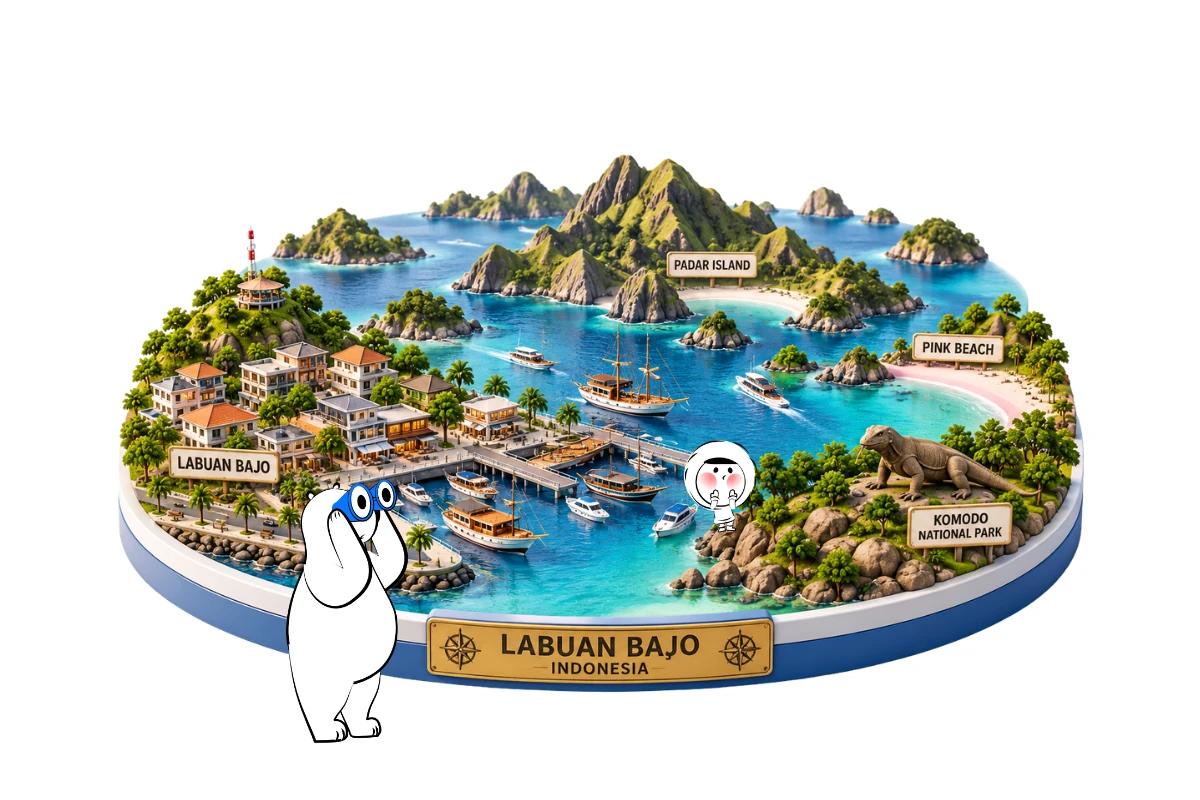
The surrounding water is clear enough for snorkeling and diving, making the beach more than a photo stop. It sits inside Komodo National Park and is normally reached by boat from Labuan Bajo as part of an island-hopping itinerary.
The dry season from roughly April to October is commonly recommended for easier outdoor and marine activities, although weather and sea conditions can still change.
Travelers planning more time around the country can also browse Eskimo’s top beaches in Indonesia.
Pink Sands Beach, Harbour Island, Bahamas
Best for a long, visibly pink shoreline
Pink Sands Beach on Harbour Island is one of the world’s classic pink sand destinations.
The Bahamas tourism board describes the beach as stretching for more than three miles along Harbour Island’s eastern coast. Its pale pink color is associated with microscopic foraminifera whose reddish shells mix with coral fragments and sand.
The long shoreline creates a different experience from smaller pink beaches where the coloration appears only in isolated patches.
It works particularly well for travelers looking for swimming, long beach walks, boutique island accommodation, and a slower Caribbean stay.
Horseshoe Bay Beach, Bermuda
Best for easy access and dramatic coastal scenery
Horseshoe Bay is one of Bermuda’s most recognizable beaches, combining light pink sand with turquoise water and curved rocky headlands.
The sand is generally more blush-toned than intensely pink, but the color is part of what makes Bermuda’s coastline distinctive.
Compared with some of the more remote beaches on this list, Horseshoe Bay is relatively straightforward to include in a Bermuda holiday. That makes it a strong option for travelers who want pink sand without needing a boat expedition or protected-area visit.
Bermuda Tourism provides practical information for visiting the beach. Sea conditions can vary, so check local conditions before swimming.
Elafonissi Beach, Crete, Greece
Best pink sand beach in Greece
Elafonissi is the strongest choice in Greece for travelers specifically looking for pink-tinted sand.
Parts of the shoreline can take on a distinct rosy hue where biological fragments mix with pale sand. The color is not equally vivid everywhere, but the combination of shallow turquoise water, lagoon-like conditions, and pink sections gives Elafonissi its distinctive appearance.
The shallow water also makes the landscape particularly photogenic around the sandbars and pools.
Elafonissi can become very busy during peak summer. Visit Greece includes it among the distinctive beaches of Chania, and visiting earlier or later in the day can provide a calmer experience.
Tangsi Pink Beach, Lombok, Indonesia
Best for a quieter Indonesian pink beach
Tangsi Beach in southeastern Lombok gives travelers another Indonesian pink-sand option without visiting Komodo.
Indonesia Travel describes Tangsi, often simply called Pink Beach, as having reddish or pink sand created when pale grains mix with coral fragments. The surrounding bay can also be suitable for swimming and snorkeling when conditions are calm.
Because Tangsi is relatively remote, many travelers visit with a driver or as part of a local day trip.
For travelers already building a Lombok itinerary, Tangsi may be more practical than adding a separate flight and boat journey to Komodo. Indonesia travel guide from eskimo can help with wider destination planning.
Crane Beach, Barbados
Best for dramatic cliffs and waves
Crane Beach in Barbados has a softer pink tone than Harbour Island or Komodo, but its sand can take on a warm rose or peach appearance against the blue Atlantic.
The appeal here is the complete landscape. Cliffs frame the beach, palms rise above the shoreline, and Atlantic waves create a more dramatic setting than the calm lagoons found elsewhere on this list.
It is a better choice for travelers who want scenery, beach walks, and a classic Barbados coastal stop than for someone chasing the brightest possible pink sand.
Visit Barbados identifies Crane Beach as one of the island’s distinctive pink-sand beaches. Swimming conditions can vary with the surf.
Pink Sand Beaches, Barbuda
Best for quiet Caribbean pink sand
Barbuda is known for long stretches of pink-tinged sand created by tiny shell fragments mixed into the beach.
The island feels quieter and more open than many heavily developed Caribbean destinations. Travelers come for space, calm scenery, and long stretches of coastline rather than a dense collection of beachfront attractions.
The color varies along the shore and with conditions, so visitors should expect natural blush tones rather than a uniformly bright-pink strip.
Barbuda suits travelers who prioritize remoteness and atmosphere over nightlife or resort infrastructure. Antigua and Barbuda Tourism provides information on the islands’ beaches and coastal areas.
Get Eskimo eSIM to stay connected globally
Need internet? Here's what we recommend:

Fixed data plans
- No speed reduction
- No expiry, keep your data forever
- Transfer data to anyone
- Personal hotspot


Great Santa Cruz Island, Philippines
Best for a rare pink beach in the Philippines
Great Santa Cruz Island near Zamboanga City is one of the Philippines’ best-known pink sand destinations.
The Philippine Department of Tourism explains that the color comes from crushed red organ-pipe coral mixing with pale sand, producing the island’s recognizable pink tint.
The destination works particularly well for travelers interested in coastal scenery and a less typical Philippine island excursion.
Visitor arrangements can change, so check current Zamboanga City tourism procedures before planning the trip rather than assuming independent access is always available.
Spiaggia Rosa, Budelli, Italy
Best protected pink beach
Spiaggia Rosa on Budelli Island in Sardinia’s La Maddalena Archipelago is one of Europe’s most famous pink beaches, but it should not be treated like an ordinary swimming stop.
The beach is under strict environmental protection. Visitors cannot walk on the sand, and swimming or stopping boats in the protected waters immediately in front of the beach is prohibited.
Instead, designated routes and viewing areas allow travelers to admire the shoreline from a distance without damaging it.
Its pink color is linked to naturally accumulated biological fragments, including microscopic marine organisms.
For travelers, the attraction is the rarity and conservation story rather than the chance to spread out a beach towel. Check the current La Maddalena National Park rules for Spiaggia Rosa before visiting.
Tikehau, French Polynesia
Best for a remote pink-sand lagoon
Tikehau combines pink and white sand with the enormous blue lagoon scenery associated with the Tuamotu Archipelago.
Rather than one single famous pink strip, its appeal comes from secluded motu, lagoon beaches, clear water, and the sense of being far from heavily developed island resorts.
The destination is particularly suited to travelers interested in snorkeling, diving, quiet lagoon stays, and remote tropical scenery.
Tikehau takes more planning and travel time than an easily accessible resort beach, but that isolation is exactly what makes it stand out. Tahiti Tourisme provides practical destination information for planning a stay.
Choosing The Right Pink Sand Beach
The best choice depends on what you actually want from the trip.
For the clearest classic pink-sand experience, Pink Sands Beach on Harbour Island is difficult to beat.
For snorkeling and a larger adventure itinerary, Pink Beach in Komodo is one of the strongest choices.
For easy access and iconic coastal scenery, Horseshoe Bay in Bermuda works well.
For Mediterranean scenery, Elafonissi is the stronger Greek option for travelers specifically chasing pink sand.
For remoteness, Barbuda or Tikehau offer a quieter atmosphere.
And for conservation rather than swimming, Spiaggia Rosa is the most compelling example of why rare beaches sometimes need to be admired from a distance.
Why Pink Sand Is Pink
Pink sand usually forms when pale beach sediment mixes with naturally occurring red or pink biological fragments.
On many famous pink beaches, those fragments include the shells of microscopic organisms called foraminifera. Coral fragments, shells, and other marine material can also contribute, depending on the location.
The exact composition differs from beach to beach, which is why one shoreline may look vividly pink while another has only a faint blush.
Light, moisture, tide, and the concentration of colored material can also change how pink the sand appears.
For a deeper explanation, read why pink sand is pink.
Visiting Pink Sand Beaches Responsibly
Pink beaches are rare coastal environments, and some sit inside national parks, marine reserves, or strictly protected islands.
Do not take sand, shells, coral, or other natural material home. On beaches with conservation restrictions, stay within designated areas and follow local instructions.
Boat access can also be affected by marine conditions, weather, conservation rules, and seasonal closures.
A photograph is a much better souvenir than a pocketful of shoreline.
Mobile Data For A Pink Beach Trip
Many pink beaches sit on islands, protected coastlines, or boat routes where mobile data can help with ferry updates, marine weather, tour confirmations, navigation, accommodation messages, and last-minute transport changes. Reception is generally stronger around towns and established tourism areas, while signal may weaken on remote islands, offshore crossings, and less-developed stretches of coastline.
An Eskimo Global eSIM plan is the most relevant option for travelers combining pink beaches across several countries. Eskimo’s overall network footprint covers 175 countries and regions, which can be useful for multi-country beach trips and future international travel. The Universal eSIM means one reusable Eskimo eSIM can support multiple eligible destinations instead of requiring a new installation for every country.
New users can also claim a free 250MB Global eSIM.
FAQs:
Where Are The Best Pink Sand Beaches?
Some of the best pink sand beaches are found in Indonesia, the Bahamas, Bermuda, Greece, Barbados, Barbuda, the Philippines, Italy, and French Polynesia. Harbour Island is one of the strongest choices for a long pink shoreline, while Komodo combines pink sand with snorkeling and island-hopping.
Why Is Pink Sand Pink?
Pink sand usually forms when pale sand mixes with naturally occurring reddish biological material, including shells, coral fragments, or microscopic organisms such as foraminifera. The exact composition differs by beach.
Which Pink Sand Beach Has The Pinkest Sand?
The intensity varies with weather, light, moisture, and the concentration of colored fragments. Pink Sands Beach on Harbour Island and Pink Beach in Komodo are among the destinations most strongly associated with visibly pink sand.
Can You Visit Spiaggia Rosa In Italy?
You can view Spiaggia Rosa, but the beach itself is under strict protection. Visitors cannot walk on the sand or swim in the protected waters immediately in front of it, so follow La Maddalena National Park’s designated viewing rules.
Are Pink Sand Beaches Always Bright Pink?
No. Many pink sand beaches have only a pale blush or pink tint. The color may appear stronger in wet sand, certain light conditions, or particular sections of the shoreline.