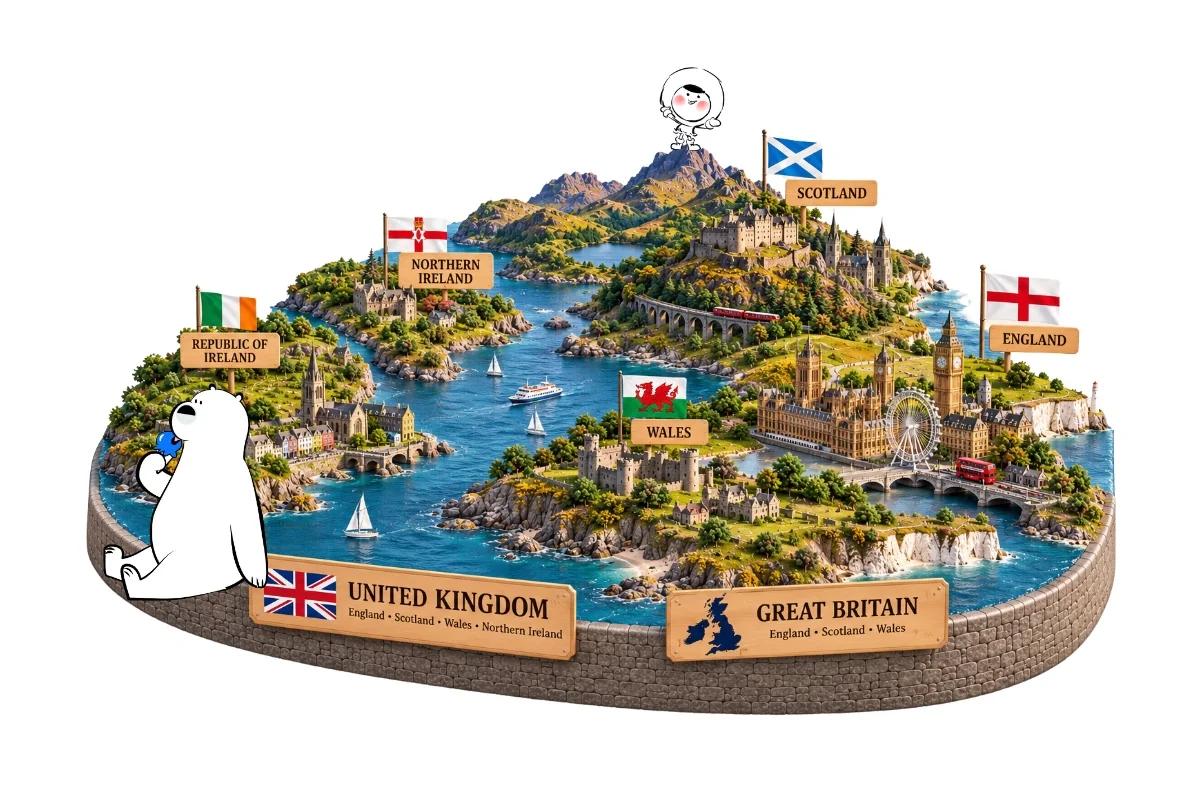
The difference between the United Kingdom and Great Britain is that the United Kingdom includes four countries, while Great Britain refers to the island containing three of them.
The United Kingdom (UK) consists of England, Scotland, Wales and Northern Ireland. Great Britain is the island containing England, Scotland and Wales. Northern Ireland is part of the UK but is not located on Great Britain.
These names are often used interchangeably, but they describe different geographical and political areas. For travelers, the distinction helps explain everything from national flags and regional identities to travel routes and entry requirements.
United Kingdom vs Great Britain: The Main Difference
The United Kingdom is a sovereign state, while Great Britain is primarily a geographical term.
The country’s full official name is the United Kingdom of Great Britain and Northern Ireland.
The distinction is straightforward:
- United Kingdom: England, Scotland, Wales and Northern Ireland.
- Great Britain: England, Scotland and Wales.
- England: One of the four constituent countries of the United Kingdom.
- British Isles: A geographical term for the island group containing Great Britain, Ireland and numerous smaller islands. The term is disputed, particularly in Ireland.
Great Britain and the United Kingdom are therefore not identical, even though the terms are frequently confused.
The UK government provides further information about the country’s political structure through its official government website.
The Four Countries of the United Kingdom
The United Kingdom consists of four constituent countries, each with its own history, cultural identity and geographical character.
Although they belong to the same sovereign state, their political arrangements and some public services differ.
England
England occupies the largest portion of Great Britain and contains London, the capital of both England and the United Kingdom.
It is home to major destinations including London, Oxford, Cambridge, Bath, York and the Lake District.
England is often confused with the entire UK, particularly because London serves as the British capital.
However, England is only one part of the United Kingdom.
Visitors interested in historic cities, countryside and cultural attractions can travel across England without crossing an international border.
Scotland
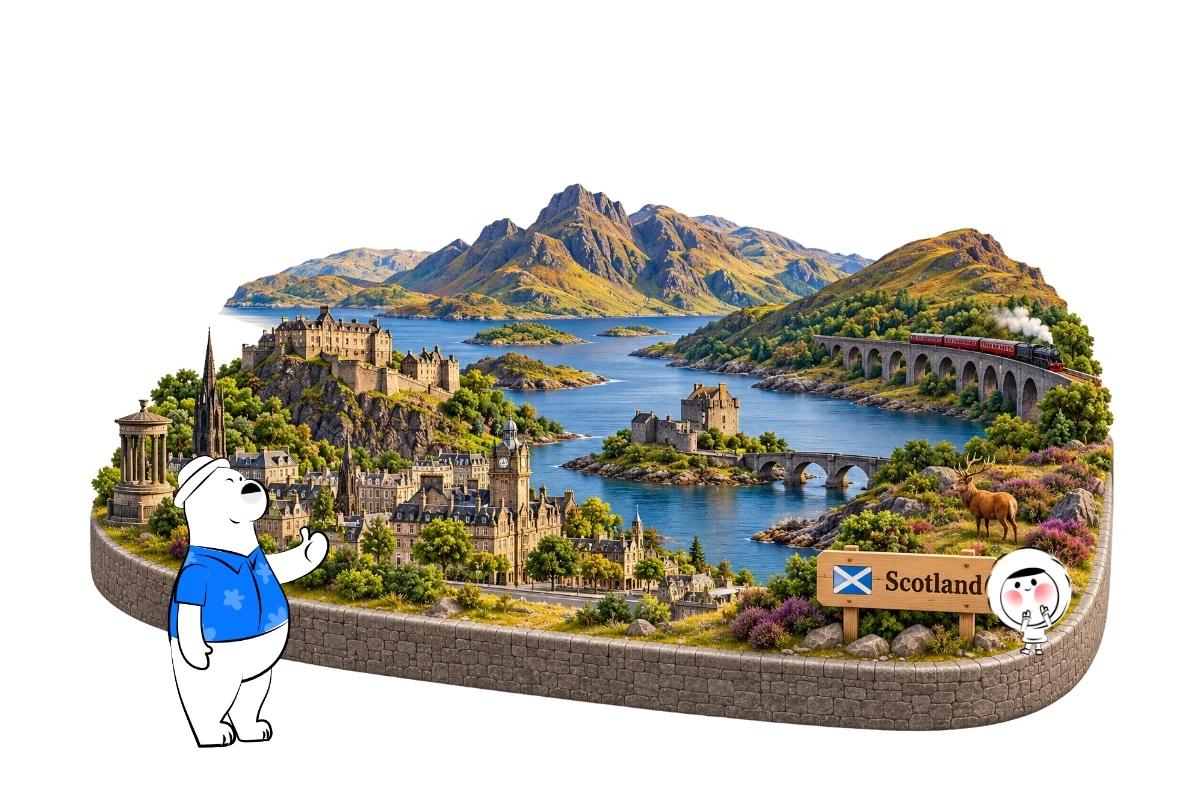
Scotland occupies the northern part of Great Britain.
Its capital is Edinburgh, while Glasgow is its largest city.
Scotland is known for the Highlands, historic castles, lochs, islands and distinctive cultural traditions.
It also has its own devolved parliament, legal system and education system.
For travelers, Scotland offers a different experience from England, particularly in its landscapes, architecture and regional traditions.
Popular destinations include Edinburgh, the Isle of Skye, Glencoe and Loch Ness.
For a closer look at the country’s main destinations, explore the best places to visit in Scotland.
Travelers planning a longer Highland journey should also consider seasonal conditions, especially when visiting remote areas.
Wales
Wales occupies the western part of Great Britain.
Its capital is Cardiff, and the country is recognized for its mountainous landscapes, medieval castles and Welsh-language heritage.
Popular destinations include Eryri (Snowdonia) National Park, Pembrokeshire Coast National Park and Conwy.
Welsh and English are official languages in Wales, and bilingual signs are common.
Wales has its own devolved parliament, known as the Senedd.
Travelers can reach Wales directly from England by road or rail without immigration checks at the internal border.
Northern Ireland
Northern Ireland occupies the northeastern part of the island of Ireland.
Its capital is Belfast.
Unlike England, Scotland and Wales, Northern Ireland is not located on the island of Great Britain.
However, it remains part of the United Kingdom.
Popular attractions include the Giant’s Causeway, the Causeway Coastal Route and Belfast’s Titanic Quarter.
Northern Ireland also shares a land border with the Republic of Ireland, which is an independent country and a member of the European Union.
This geographical arrangement is one reason the distinction between Great Britain and the United Kingdom matters.
Great Britain vs England
England and Great Britain are not the same.
England is one constituent country, while Great Britain is the island containing England, Scotland and Wales.
For example, Edinburgh is in Scotland, so it is located in Great Britain and the United Kingdom, but not England.
Similarly, Cardiff is in Wales, meaning it is also in Great Britain and the UK, but not England.
London, meanwhile, belongs to all three geographical or political categories:
- England
- Great Britain
- United Kingdom
Using England as another name for the entire United Kingdom is geographically and politically incorrect.
The distinction is especially important when discussing national identity, culture and sporting competitions.
Great Britain vs the British Isles
Great Britain is one island, while the British Isles is a geographical term for a wider group of islands.
The island group includes:
- Great Britain
- The island of Ireland
- The Isle of Man
- The Hebrides
- Orkney
- Shetland
- Numerous smaller islands
The island of Ireland contains both Northern Ireland and the Republic of Ireland.
The Republic of Ireland is not part of the United Kingdom.
The expression British Isles can be politically sensitive because it is not universally accepted, particularly in Ireland.
For travel planning, using the specific names of the United Kingdom, Great Britain, Ireland and individual destinations is generally clearer.
United Kingdom vs Great Britain Flags
The flags associated with England, Scotland, Wales and the United Kingdom are different.
The distinction is useful because the flags represent different national identities.
United Kingdom flag
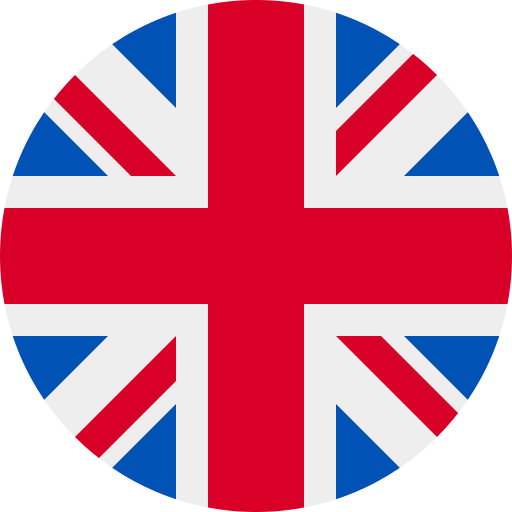
The United Kingdom’s national flag is commonly known as the Union Jack or Union Flag.
It combines elements associated with three patron saints:
- St George of England
- St Andrew of Scotland
- St Patrick, historically associated with Ireland
The Union Flag represents the United Kingdom as a whole.
Wales does not have a separate symbol incorporated into the flag because it was already politically united with England when the earlier Union Flag was created.
Get Eskimo eSIM to stay connected in United Kingdom
Need internet in United Kingdom? Here's what we recommend:

Fixed data plans
- No speed reduction
- No expiry, keep your data forever
- Transfer data to anyone
- Personal hotspot
Unlimited data plans
- Unlimited day pass
- Daily 3GB high-speed + 1Mbps unlimited after
- Personal hotspot
Great Britain flag
Great Britain does not have a separate modern official flag representing only England, Scotland and Wales.
The Union Jack is sometimes informally described as the British flag, but officially it represents the United Kingdom.
Historically, the Kingdom of Great Britain used an earlier version of the Union Flag combining the crosses of St George and St Andrew.
The current Union Flag dates from 1801, when St Patrick’s cross was added following the union with Ireland.
England flag
England’s flag features a red cross on a white background.
It is known as St George’s Cross.
The flag is commonly displayed during sporting events, particularly when England competes separately from Scotland, Wales and Northern Ireland.
Scotland flag
Scotland’s national flag is the Saltire, also called St Andrew’s Cross.
It features a white diagonal cross on a blue background.
The Saltire is one of Scotland’s most recognizable national symbols.
Wales flag
Wales has a distinctive national flag featuring a red dragon against a green-and-white background.
Unlike the crosses associated with England and Scotland, the Welsh dragon does not appear on the Union Jack.
Northern Ireland flag
Northern Ireland does not currently have a separate universally accepted official national flag.
The Union Flag is the official flag of the United Kingdom.
The historical Ulster Banner is still used in some sporting and other contexts, but its status and symbolism are politically sensitive.
For an accurate comparison, it should not be presented as an undisputed official national flag of Northern Ireland.
Great Britain vs the United Kingdom in Sports
The difference between Great Britain and the United Kingdom becomes particularly visible during international sporting competitions.
In football, England, Scotland, Wales and Northern Ireland have separate national teams.
Each participates independently in competitions such as UEFA European Championship qualifying and FIFA World Cup qualifying.
The Olympic Games use a different arrangement.
The team commonly known as Team GB represents Great Britain and Northern Ireland, despite the abbreviated name.
Athletes from Northern Ireland may also be eligible to represent Ireland, depending on the sport and applicable eligibility rules.
These arrangements reflect the distinctive sporting histories of the countries rather than a change in their political status.
Traveling Between England, Scotland and Wales
Traveling between England, Scotland and Wales is generally straightforward.
All three countries are part of the United Kingdom and share the island of Great Britain.
There are no routine immigration controls at their internal borders.
Travelers can move between them using trains, buses, rental cars and domestic flights.
Traveling from England to Scotland
London and Edinburgh are connected by frequent direct rail services.
The fastest scheduled trains generally take around four to four and a half hours, depending on the service.
The main operators include LNER and Lumo.
Travelers can compare current routes, schedules and fares through National Rail.
Flying is another option, although airport transfers and security procedures can reduce the time advantage.
For a first visit, combining London and Edinburgh can provide a useful introduction to England and Scotland.
Traveling from England to Wales
Cardiff is connected to London by direct trains, with many journeys taking approximately two hours.
Other Welsh destinations, including North Wales and Pembrokeshire, may require additional travel time.
Driving can be useful for reaching rural attractions, particularly in areas with limited public transport.
Traveling to Northern Ireland
Northern Ireland is separated from Great Britain by the Irish Sea.
Travelers generally reach Belfast by air or ferry.
Flights connect Belfast with several cities across Great Britain.
Ferry services operate on routes including Cairnryan to Belfast and Liverpool to Belfast.
Schedules and journey times depend on the operator and route.
Entry Requirements for the United Kingdom
England, Scotland, Wales and Northern Ireland share the UK’s immigration system.
Visitors generally do not need separate visas for each constituent country.
However, entry requirements depend on nationality, immigration status and the purpose of travel.
Some visitors need a visa, while others may require a UK Electronic Travel Authorisation (ETA).
An ETA is not a visa and does not guarantee admission.
Travelers should check the current requirements using the official UK government entry guidance before departure.
Traveling between Northern Ireland and the Republic of Ireland
Northern Ireland is part of the United Kingdom, while the Republic of Ireland is a separate sovereign state.
The two share an open land border under the Common Travel Area arrangements.
However, the absence of routine immigration checks at the land border does not remove applicable immigration requirements.
A UK visa or ETA does not automatically grant permission to enter the Republic of Ireland.
Likewise, Irish immigration permission does not automatically authorize entry into the UK.
Travelers planning to visit both jurisdictions should check the relevant requirements with the UK government and Irish Immigration Service.
Choosing Between England, Scotland, Wales and Northern Ireland
Each country offers a different travel experience, making the best choice dependent on the type of trip.
England is particularly suitable for travelers interested in major cities, museums, historic landmarks and extensive rail connections.
Scotland is a strong choice for Highland scenery, castles, island landscapes and outdoor experiences.
Wales appeals to travelers seeking coastal scenery, national parks, walking routes and historic castles.
Northern Ireland offers dramatic coastal drives, geological landmarks and Belfast’s cultural attractions.
For a first UK trip lasting approximately one week, focusing on London and one additional region is often more practical than attempting to visit all four countries.
Travelers with 10 to 14 days can consider combining England and Scotland or adding selected destinations in Wales.
Visiting all four countries is possible, but doing so comfortably generally requires more time and careful transport planning.
For a Scotland-focused itinerary, the best time to visit Scotland can influence the route, particularly when planning Highland drives, island ferries and outdoor activities.
Mobile Data Across the United Kingdom
Mobile data is useful for checking National Rail departures, accessing digital train tickets, navigating London’s public transport and following ferry updates when traveling between Great Britain and Northern Ireland. Reception is generally stronger in cities and major towns, while coverage may weaken in Highland valleys, remote Welsh countryside and coastal areas.
An Eskimo United Kingdom eSIM plan is suitable for travelers visiting England, Scotland, Wales and Northern Ireland. Eskimo’s overall coverage across 175 countries and regions can also be useful for travelers continuing to other eligible European destinations. Its universal eSIM allows travelers to reuse one installed eSIM across supported destinations, subject to their selected plan’s coverage.
New users can also claim a free 250MB Global eSIM.
FAQs
Is Great Britain the same as the United Kingdom?
No. Great Britain is the island containing England, Scotland and Wales. The United Kingdom includes those three countries plus Northern Ireland.
Is Scotland part of Great Britain or the United Kingdom?
Scotland is part of both. It occupies the northern portion of Great Britain and is one of the four constituent countries of the United Kingdom.
Is Northern Ireland part of Great Britain?
No. Northern Ireland is part of the United Kingdom but is located on the island of Ireland, not Great Britain.
Does Great Britain have a different flag from the United Kingdom?
Great Britain does not have a separate modern official flag. The Union Jack represents the United Kingdom, including Northern Ireland. A different historical Union Flag was used by the former Kingdom of Great Britain.
Do travelers need separate visas for England and Scotland?
No. England and Scotland share the UK’s immigration system. Visitors generally use the same UK immigration permission for both countries, although visa and ETA requirements depend on nationality and travel circumstances.